Why This Genotype Matters
TGFB1, Fibroblast Activation, and Extracellular Matrix Remodeling
Transforming growth factor beta 1 (TGF-β1), encoded by TGFB1, is a major regulator of fibroblast activity. When activated TGF-β1 binds to its receptors, it triggers signaling pathways, including SMAD2/3, that regulate fibroblast differentiation, extracellular matrix production, and tissue remodeling.
During normal wound healing, these responses help repair damaged tissue. When signaling remains active, however, fibroblasts may develop a persistent myofibroblast-like phenotype, characterized by increased α-smooth muscle actin (α-SMA), collagen production, and matrix contraction. These processes are central to the development of tissue fibrosis.
Could naturally occurring genetic variation in TGFB1 contribute to differences in fibroblast function?
The TGF-β1 rs1800470 polymorphism, commonly known as T869C or Leu10Pro, changes an amino acid in the signal peptide involved in directing TGF-β1 through the cellular secretory pathway. The variant has been investigated for potential effects on TGF-β1 production and secretion, as well as associations with fibrotic and other disease-related outcomes. Findings vary across studies, populations, and experimental systems.
Because TGF-β1 is a key regulator of fibroblast activation and matrix remodeling, rs1800470 provides a useful genetic variable for investigating whether donor genotype is associated with differences in TGF-β1 signaling, extracellular matrix production, and responses to experimental treatments.
Genotype does not determine fibroblast behavior on its own. Its functional effects should be evaluated in the relevant cellular and experimental context.
Relevant research areas:
TGF-β signaling · Fibroblast activation · Myofibroblast differentiation · Extracellular matrix remodeling · Collagen deposition · Fibrosis · Wound healing · Antifibrotic drug discovery · Exploratory pharmacogenomics
Genotype-Defined Human Dermal Fibroblasts
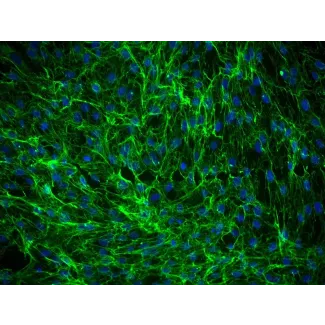
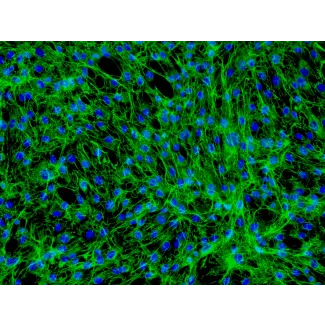
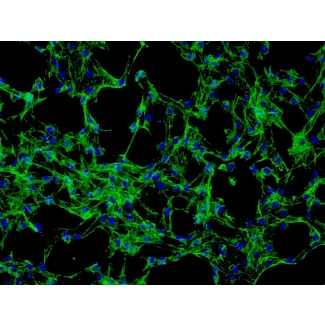
ScienCell offers human dermal fibroblasts with genotype selection for TGF-β1 rs1800470 research.
Cell Type |
Cataloge Number |
| Human Dermal Fibroblasts-fetal | Cat. No. 2300 |
| Human Dermal Fibroblasts | Cat. No. 2310 |
| Human Dermal Fibroblasts-adult | Cat. No. 2320 |
Researchers can contact ScienCell to inquire about donor and lot availability for their required genotype. The corresponding CoA should be used to confirm the genotype of the selected lot. Genotyping of fibroblasts from other tissues may also be available upon request.
Why Genotype-Defined Primary Human Fibroblasts?
- Make Genetic Background Part of Your Experimental Design
- Donor-to-donor variation can complicate the interpretation of primary fibroblast experiments. Selecting cells by a defined genotype allows researchers to investigate whether variation at a biologically relevant locus contributes to differences in cellular responses.
- Compare TGF-β1 production and signaling
- Investigate TGF-β1 secretion, active versus total TGF-β1, and SMAD2/3 phosphorylation under matched experimental conditions.
- Measure fibroblast activation and matrix production
- Evaluate markers such as ACTA2 (α-SMA), COL1A1, COL3A1, and fibronectin to characterize fibroblast activation and extracellular matrix responses.
- Investigate genotype-associated drug responses
- Compare cellular responses to TGF-β pathway inhibitors, antifibrotic compounds, or other matrix-modulating agents across donor genotype groups. These studies can help generate hypotheses about genetic contributions to drug response.
- Study tissue repair and remodeling
- Use primary human fibroblasts to investigate migration, matrix production, and contractility in experimental models relevant to wound healing and fibrosis.
- Choose a cell source suited to your research
- Fetal, standard, and adult human dermal fibroblasts provide different cellular contexts for studying developmental stage, tissue repair, and matrix remodeling. Cell source should be considered when comparing experimental results.
Unlike an engineered model that isolates a single genetic change, primary donor-derived cells retain their naturally occurring genetic background. This supports research in a human cellular context, although other donor-specific genetic and biological differences must also be considered.
For genotype-comparison studies, using multiple independent donors per group and matched culture and treatment conditions can help distinguish genotype-associated effects from donor-specific variation.
Research Applications
- From Molecular Mechanisms to Drug Discovery: TGF-β1 rs1800470-genotyped human dermal fibroblasts support studies investigating how donor genetic background relates to fibroblast biology and experimental treatment responses.
- TGF-β1 secretion and signaling: Compare TGF-β1 production and downstream SMAD2/3 signaling across genotype backgrounds under defined experimental conditions.
- Myofibroblast differentiation: Measure ACTA2/α-SMA expression and other activation markers following TGF-β1 stimulation or profibrotic challenge.
- Extracellular matrix remodeling: Evaluate collagen and fibronectin deposition, matrix contraction, and ECM-associated gene expression across donor genotypes.
- Antifibrotic drug discovery: Screen compounds targeting TGF-β signaling — including ALK5 inhibitors — and measure downstream pathway and matrix endpoints in genotype-stratified fibroblasts.
- Exploratory pharmacogenomics: Investigate whether TGF-β1 rs1800470 genotype is associated with differences in compound sensitivity or pathway inhibition. Findings require validation across independent donors and experimental systems.
- Transcriptomic and proteomic profiling: Characterize gene expression and protein-level changes associated with genotype and treatment in primary human fibroblasts.
These are research applications, not established predictions of cellular phenotype or clinical treatment response.
How to Inquire and Order
Request TGFB1 Genotype-Defined Fibroblasts
Genotype-defined lots are available by request. Availability varies by donor and genotype, and a selection and verification fee applies per vial.
- Choose your cell type: Human Dermal Fibroblasts-fetal (Cat. No. 2300), Human Dermal Fibroblasts-neonatal (Cat. No. 2310), or Human Dermal Fibroblasts-adult (Cat. No. 2320).
- Specify your research requirements: Provide the target variant, rs1800470, and your required genotype.
- Contact ScienCell: Our team can confirm available donor lots and provide product and genotype documentation.
Please note that availability varies by cell type, donor lot, and genotype. A selection and verification fee will be applied per vial and reflected in your quote.
For information on available genotypes, assistance selecting the right cells, or inquiries about additional genotypes and cell types, please contact us at info@sciencellonline.com, or call 1.877.602.8549 and we’re happy to support your project.
For research use only. Genotype information is intended to support research stratification and does not establish a specific cellular phenotype or predict disease risk or treatment response