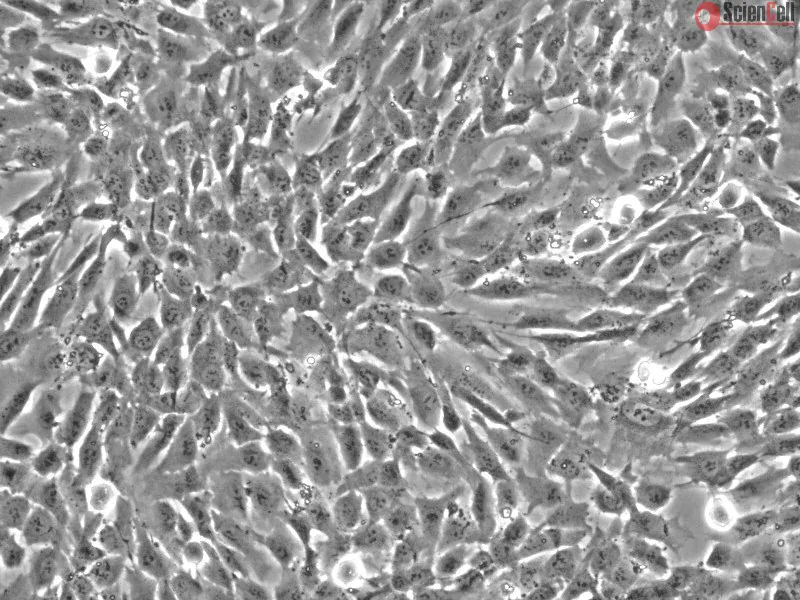
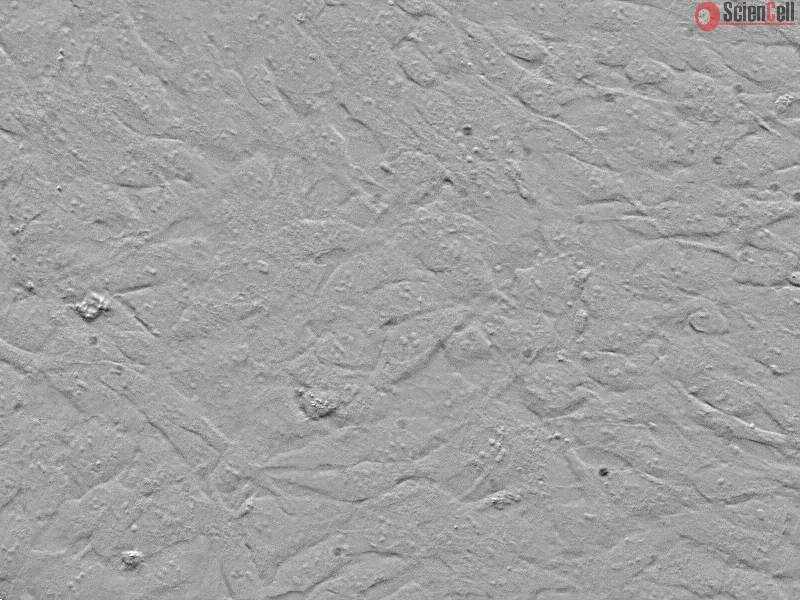
Human Vertebral Mesenchymal Stem Cells
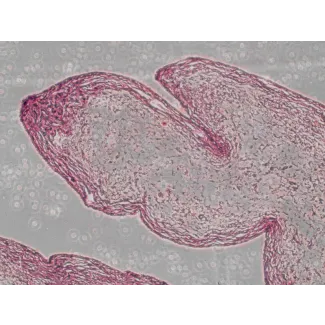
Isolated from human vertebral body. HVMSC are cryopreserved at passage one and delivered frozen. Each vial contains >5 x 10⁵ cells in 1 ml volume.
Mesenchymal stem cells (MSC) are a well-characterized population of adult stem cells. They have the potential to develop into mature cells that produce fat, cartilage, bone, tendons, and muscle. These properties, in combination with their developmental plasticity, have generated tremendous interest because of the potential use of MSC in regenerative medicine. MSC cultured without serum in the presence of transformation growth factors will differentiate into chondrocytes. In contrast, MSC cultured in serum with ascorbic acid and dexamethasone will differentiate into osteoblasts. MSC have the capability for renewal and differentiation into various lineages of mesenchymal tissues. With their renewal capability, MSC have the potential to be transplanted into an injured site or seeded on a biomimetic scaffold to generate appropriate tissue constructs.
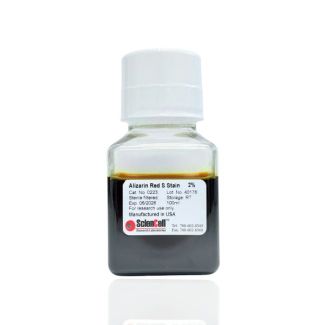
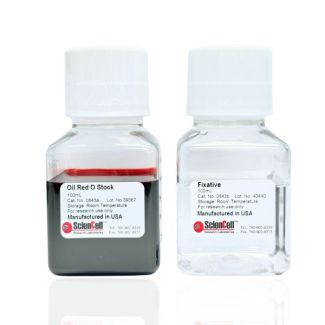
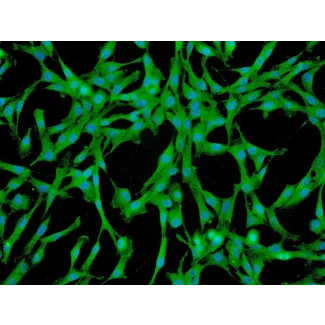
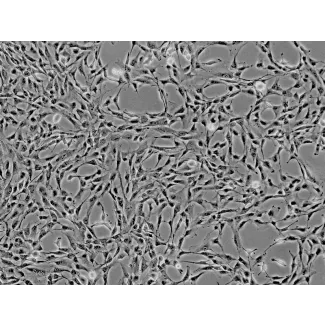
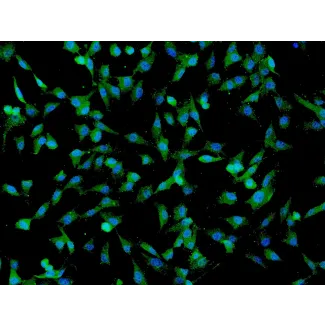
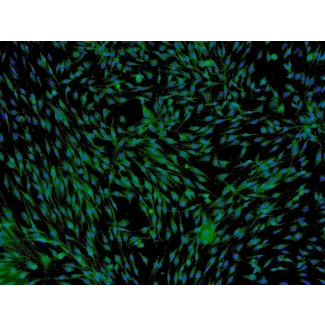
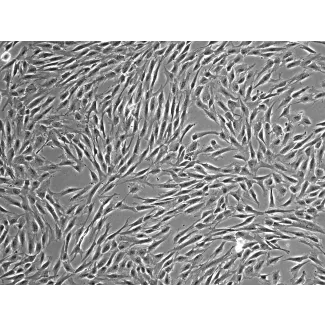
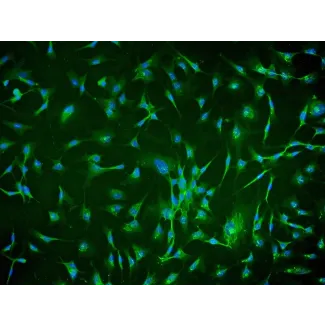
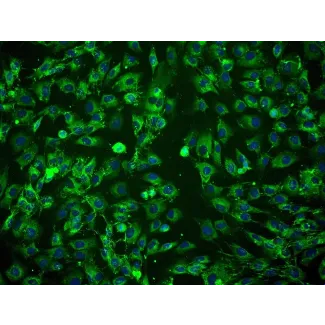
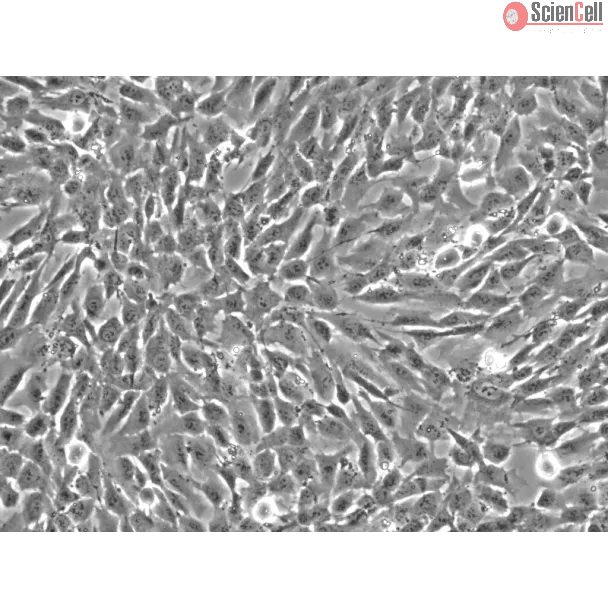
HVMSC from ScienCell Research Laboratories are isolated from human vertebral body. HVMSC are cryopreserved at passage one and delivered frozen. Each vial contains >5 x 10⁵ cells in 1 ml volume. HVMSC are characterized by immunofluorescence with antibodies specific to CD73 and/or CD90, Oil Red O staining after adipogenic differentiation, and Alizarin Red staining after osteogenic differentiation. HVMSC are negative for HIV-1, HBV, HCV, mycoplasma, bacteria, yeast and fungi. HVMSC are guaranteed to further expand for 15 population doublings under the conditions provided by ScienCell Research Laboratories.
Recommended Medium
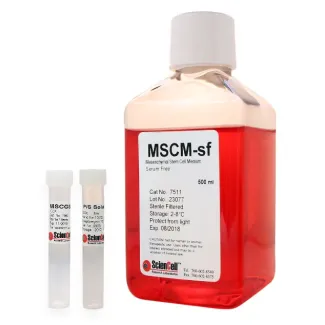
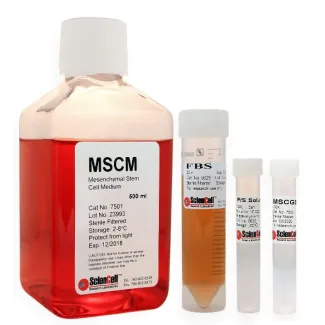
It is recommended to use Mesenchymal Stem Cell Medium (MSCM, Cat. #7501) for culturing HVMSC in vitro.
| Catalog No. | 7550 |
|---|---|
| Country of Manufacture | United States |
| Product Code | HVMSC |
| Size/Quantity | 5 x 10^5 cells/vial |
| Product use | This product is for research use only. It is not approved for use in humans, animals, or in vitro diagnostic procedures. |
| Storage | Directly and immediately transfer cells from dry ice to liquid nitrogen upon receiving and keep the cells in liquid nitrogen until cell culture is needed for experiments. |
| Shipping | Dry ice. |
Product Sheets

Search for a Certificate of Analysis by Lot Number below:
Find answers to common questions about ScienCell products, cell culture, handling, and research applications.
No Publication available at this time.