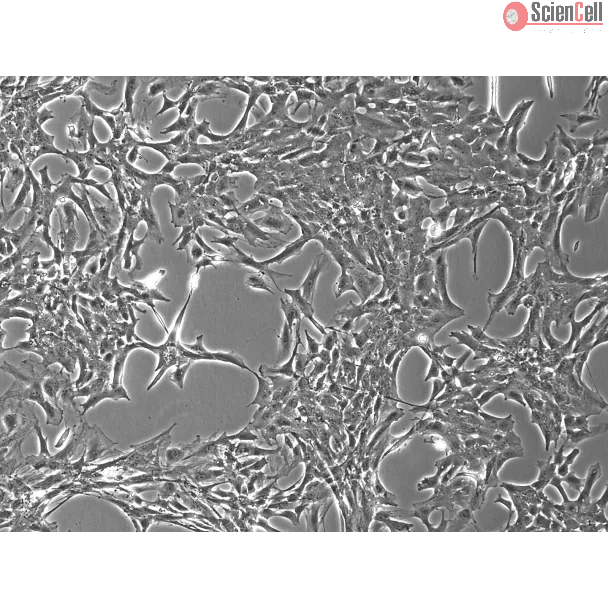
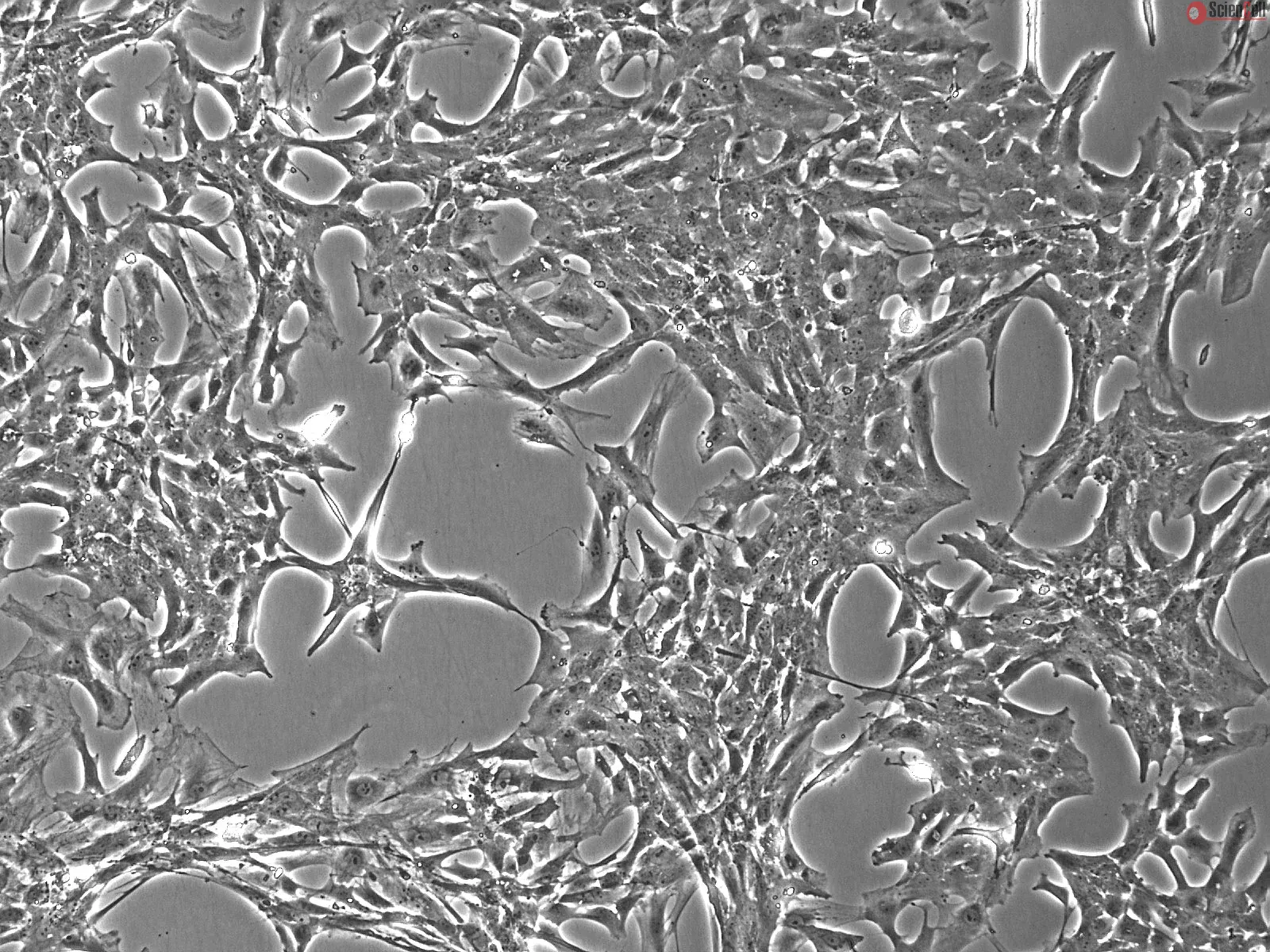
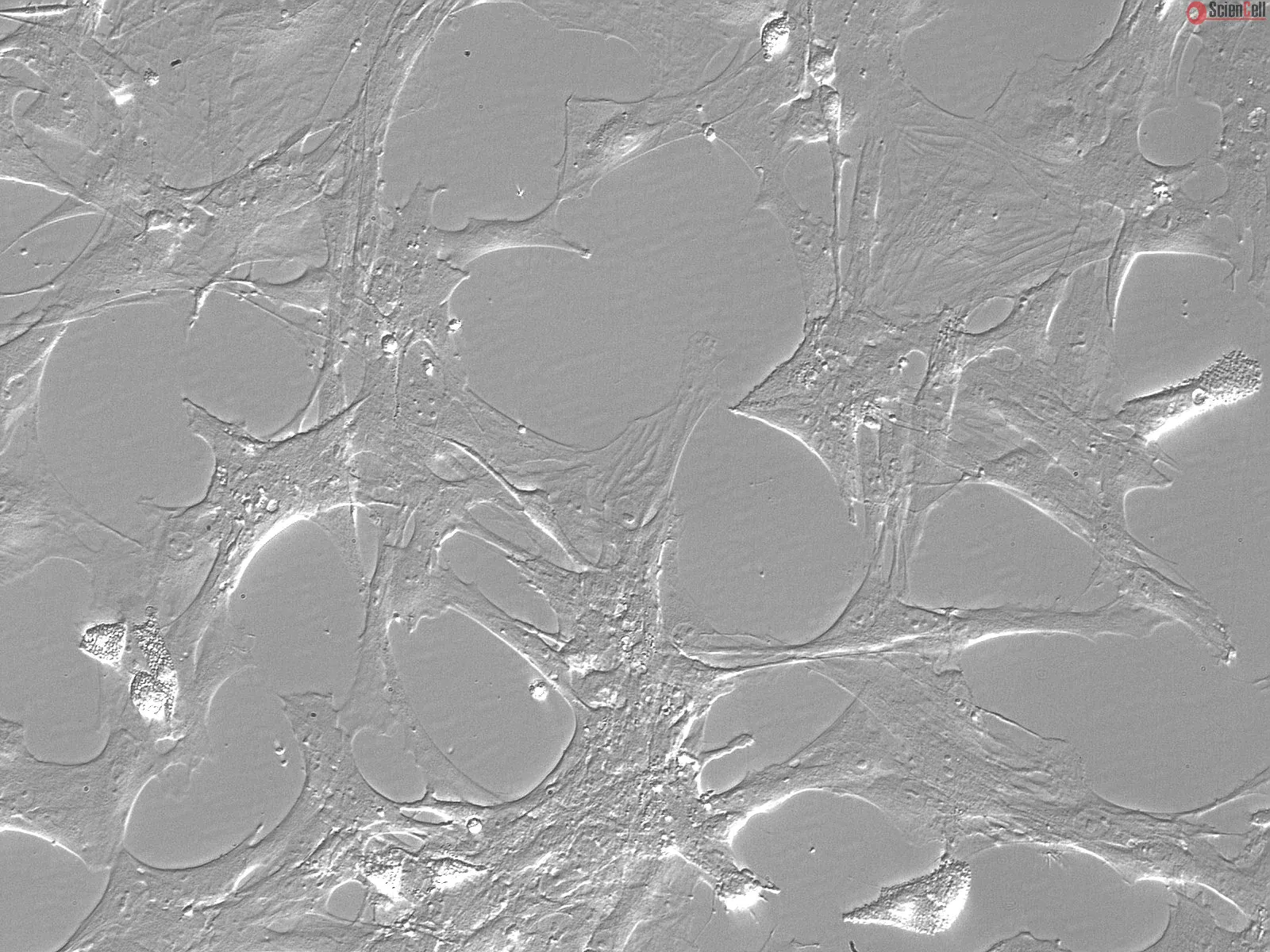
Rat Retinal Astrocytes
Related Promotion:
Get 10% off with code Fall20
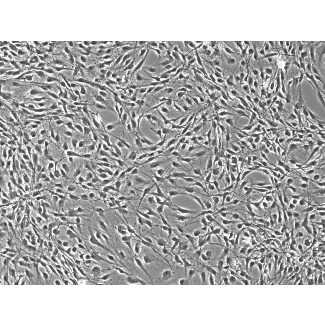
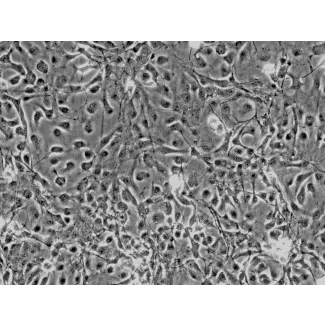
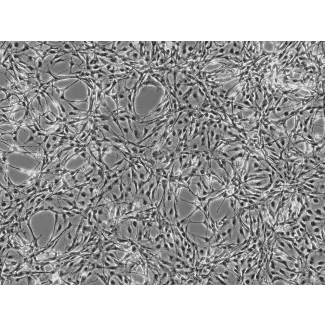
*Select products only. Mention the code at checkout; discount applied to invoice.Astrocytes are the major cell type in the mammalian brain. They provide a variety of supportive functions to their partner neurons in the central nervous system (CNS), such as neuronal guidance during development, nutritional and metabolic support throughout life. Numerous studies have demonstrated that astrocytes are among the most functionally diverse group of cells in the CNS. Impairment of normal astrocyte functions during stroke and other insults can critically influence neuron survival. Retinal astrocytes are critical for the homeostasis of neurons and retinal function. Apart from various neuropathological conditions, retinal astrocytes contribute to retinal vascular disease, retinitis pigmentosa and glaucoma. Rat retinal astrocytes (RA-r) are an excellent in vitro model for studying astrocytes under normal physiological and pathological conditions.
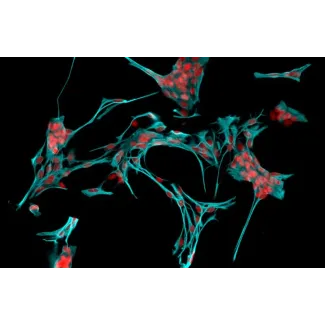
RA-r from ScienCell Research Laboratories are isolated from CD® IGS rat retina. RA-r are cryopreserved at passage one and delivered frozen. Each vial contains >5 x 10^5 cells in 1 ml volume. RA-r are characterized by immunofluorescence with antibody specific to GFAP. RA-r are negative for mycoplasma, bacteria, yeast, and fungi. RA-r are guaranteed to further expand for 5 population doublings under the conditions provided by ScienCell Research Laboratories.
Recommended Medium
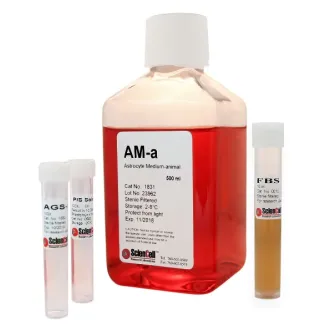
It is recommended to use Astrocyte Medium-animal (AM-a, Cat. #1831) for culturing RA-r in vitro.
| Catalog No. | R1870 |
|---|---|
| Country of Manufacture | United States |
| Product Code | RA-r |
| Size/Quantity | 1 x 10^6 cells/vial |
| Product use | This product is for research use only. It is not approved for use in humans, animals, or in vitro diagnostic procedures. |
| Storage | Upon receiving, directly and immediately transfer the cells from dry ice to liquid nitrogen and keep the cells in liquid nitrogen until they are needed for experiments. |
| Shipping | Dry ice. |
Product Sheets

Search for a Certificate of Analysis by Lot Number below:
Find answers to common questions about ScienCell products, cell culture, handling, and research applications.
No Publication available at this time.
,-1-mg-ml--2.jpg)