The endothelial and epithelial cells form biological barriers, the unique anatomical structures that control substance movement between circulation and i.e., organs. Meas... More
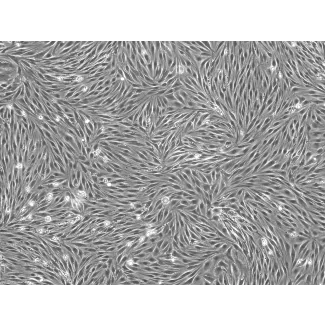
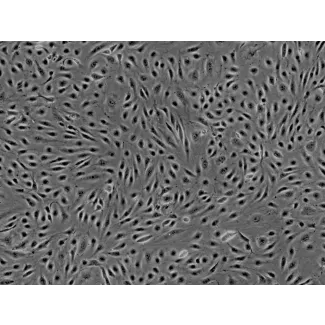
The endothelial and epithelial cells form biological barriers, the unique anatomical structures that control substance movement between circulation and i.e., organs. Measuring trans-endothelial electrical resistance (TEER) is a standard method that enables the evaluation of barrier integrity. The capability of a novel measuring system (MS) that combines innovative components, customized electrodes, and user-friendly software tailored to provide accurate and adjustable measurements of endothelial barrier integrity. We demonstrated MS usage in TEER measurement of rat brain microvascular endothelial cell line (RBE-4), primary rat brain microvascular endothelial cells (PBMEC), rat brain microvascular endothelial cells (BMEC), and human intestinal epithelial cell line (HIEC-6). The MS was successfully applied to measure the TEER of cultured cell monolayers, finding that i) the device records stable values; ii) cells treated with ammonium chloride had lower TEER values compared to untreated cells, which was verified with permeability measurements with fluorescein dye and confocal microscopy. In conclusion, we invented a low-cost MS capable of accurate TEER measures in relevant biological ranges. The MS instrument facilitates long-time, real-time monitoring of the cellular barriers, giving vital insights into cell barrier stability, permeability, and the effects of pharmacological substances. The customized measurement duration and electrode configuration meet a broad range of experimental designs. Less
Effective treatment against glioma remains challenging nowadays because the protective blood-brain barrier (BBB) impedes drug penetration into brain and the limited effic... More
Effective treatment against glioma remains challenging nowadays because the protective blood-brain barrier (BBB) impedes drug penetration into brain and the limited efficacy of conventional chemotherapy. While strong positively charged nanoparticles have good permeability through the BBB, they often come with the caveat of cationic toxicity to healthy tissues and organs during blood circulation. Here we show a neutrally charged nanoprobe with a surface decorated with γ-glutamyl moieties that can be cleaved by γ-glutamyl transpeptidase, an enzyme overexpressed on brain capillaries. Upon the cleavage, positively charged primary amines are generated, facilitating the effective crossing of the nanoprobe through BBB via the adsorption-mediated transcytosis pathway, while avoiding the caveat of cationic toxicity. In addition, when reaching the acidic tumor microenvironment, the nanoprobe co-encapsulating sonosensitizer and immune agonist swells, which results in an accelerated drug release under ultrasound irradiation to induce a combined immune response, ultimately leading to a robust anticancer effect. Overall, we report an effective drug delivery nanoplatform across the BBB for an enhanced therapy of glioma. Less
Traumatic brain injury (TBI) is a major cause of morbidity and mortality worldwide, affecting over 10 million people annually, with an estimated cost of $76.5 billion. Al... More
Traumatic brain injury (TBI) is a major cause of morbidity and mortality worldwide, affecting over 10 million people annually, with an estimated cost of $76.5 billion. Although apocynin freely transverses the blood–brain barrier (BBB), its application is limited due to its rapid elimination, low terminal half-life (t1/2 = 6.7 min), narrow dose–response relationship, and cytotoxicity, thereby requiring repeated dosages. With this study, we aimed to develop transferrin-functionalized nanoparticles encapsulating apocynin to treat neuroinflammation for targeted drug delivery to sites of brain injury. As a preliminary approach, we endeavored to optimize the formulation parameters of apocynin-loaded albumin nanoparticles prepared through the desolvation method. The nanoparticles were characterized for their size, polydispersity, surface charge, drug loading and in vitro drug release. In this study, we also investigated the anti-inflammatory and neuroprotective effects of free apocynin and nanoparticle-loaded apocynin in neuronal cells. We show that the developed formulation displayed monodispersed, nanosized particles with higher entrapment efficiency, loading, stability, and sustained release profiles. The permeability of the nanoparticles across HBMECs reached the maximum at 67%. The in vivo evaluation revealed the enhanced uptake of transferrin-anchored nanoparticles in the brain tissues when compared with unmodified nanoparticles after I.V. administration. In vivo nanoparticle localization studies using a blast TBI (bTBI) model and confocal fluorescence microscopy have shown that tf-apoANPs are successful in delivering relatively high amounts of nanoparticles to the brain parenchyma and glial cells compared to non-targeted nanoparticles. We also establish that targeted nanoparticles accumulate in the brain. In conclusion, tf-apoANPs are efficacious carriers for targeted delivery across the blood–brain barrier to potentially treat neuroinflammation in brain injury and other diseases.
Keywords:
apocynin; nanoparticle; albumin; HPLC; desolvation method; targeted delivery; biodistribution; neuroprotection Less