Autophagy, a type II programmed cell death, is essential for cell survival under stress, e.g. lung injury, and bone marrow-derived mesenchymal stem cells (BM-MSCs) have g... More
Autophagy, a type II programmed cell death, is essential for cell survival under stress, e.g. lung injury, and bone marrow-derived mesenchymal stem cells (BM-MSCs) have great potential for cell therapy. However, the mechanisms underlying the BM-MSC activation of autophagy to provide a therapeutic effect in ischaemia/reperfusion-induced lung injury (IRI) remain unclear. Thus, we investigate the activation of autophagy in IRI following transplantation with BM-MSCs. Seventy mice were pre-treated with BM-MSCs before they underwent lung IRI surgery in vivo. Human pulmonary micro-vascular endothelial cells (HPMVECs) were pre-conditioned with BM-MSCs by oxygen-glucose deprivation/reoxygenation (OGD) in vitro. Expression markers for autophagy and the phosphoinositide 3-kinase/protein kinase B (PI3K/Akt) signalling pathway were analysed. In IRI-treated mice, administration of BM-MSCs significantly attenuated lung injury and inflammation, and increased the level of autophagy. In OGD-treated HPMVECs, co-culture with BM-MSCs attenuated endothelial permeability by decreasing the level of cell death and enhanced autophagic activation. Moreover, administration of BM-MSCs decreased the level of PI3K class I and p-Akt while the expression of PI3K class III was increased. Finally, BM-MSCs-induced autophagic activity was prevented using the inhibitor LY294002. Administration of BM-MSCs attenuated lung injury by improving the autophagy level via the PI3K/Akt signalling pathway. These findings provide further understanding of the mechanisms related to BM-MSCs and will help to develop new cell-based therapeutic strategies in lung injury. Less
Previous studies have demonstrated that the expression levels of cytokines are increased in degenerated intervertebral disc tissues, and several cytokines are associated ... More
Previous studies have demonstrated that the expression levels of cytokines are increased in degenerated intervertebral disc tissues, and several cytokines are associated with the pathogenesis of intervertebral disc degeneration. However, the role of interleukin (IL)‑2 in the cellular functions of intervertebral disc tissues remains unreported. The present study aimed to determine the expression levels of IL‑2 in the nucleus pulposus (NP) tissues of patients with a prolapsed lumbar intervertebral disc; and to observe the changes in cell proliferation, apoptosis, extracellular matrix (ECM) metabolism and p38 mitogen‑activated protein kinase (MAPK) signaling in human NP cells (HNPCs) following treatment with IL‑2. The present study demonstrated that IL‑2 expression levels were upregulated in the NP tissues of patients with a prolapsed lumbar intervertebral disc; and a subsequent MTT assay demonstrated that IL‑2 inhibits the proliferation of HNPCs in a dose‑dependent manner. Furthermore, as demonstrated by the increased protein expression levels of Fas cell surface death receptor and the induction of caspase‑8 and caspase‑3 activity, the death receptor pathway was activated by IL‑2 in the HNPCs in order to promote cell apoptosis. In addition, IL‑2 promoted ECM degradation in the HNPCs, as demonstrated by an increase in the expression levels of type I collagen, a disintegrin and metalloproteinase with thrombospondin motifs and matrix metalloproteinases, and decreased aggrecan and type II collagen expression levels. Furthermore, phosphorylated‑p38 was significantly increased in the HNPCs following IL‑2 treatment. In conclusion, the present study demonstrated that IL‑2 inhibits cell proliferation, and induces cell apoptosis and ECM degradation, accompanied by the activation of p38 MAPK signaling in HNPCs. Therefore, IL-2 may be a potential therapeutic agent for the treatment of degenerative disc disease. Less
A result of intervertebral disc (IVD) degeneration, the nucleus pulposus (NP) is no longer able to withstand applied load leading to pain and disability. The objective of... More
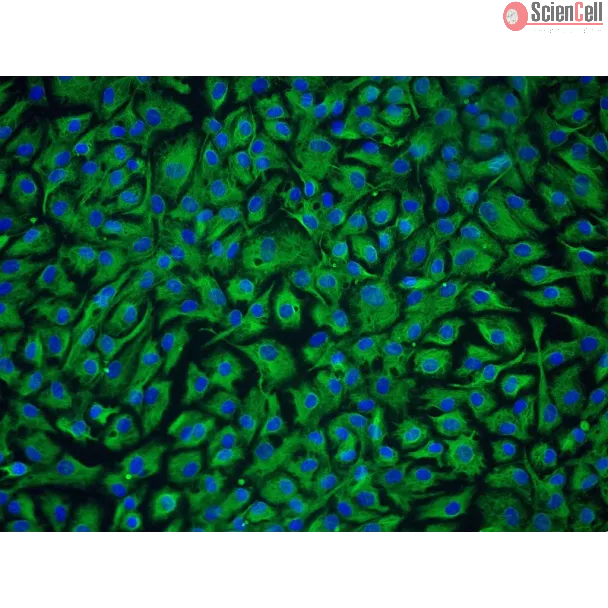
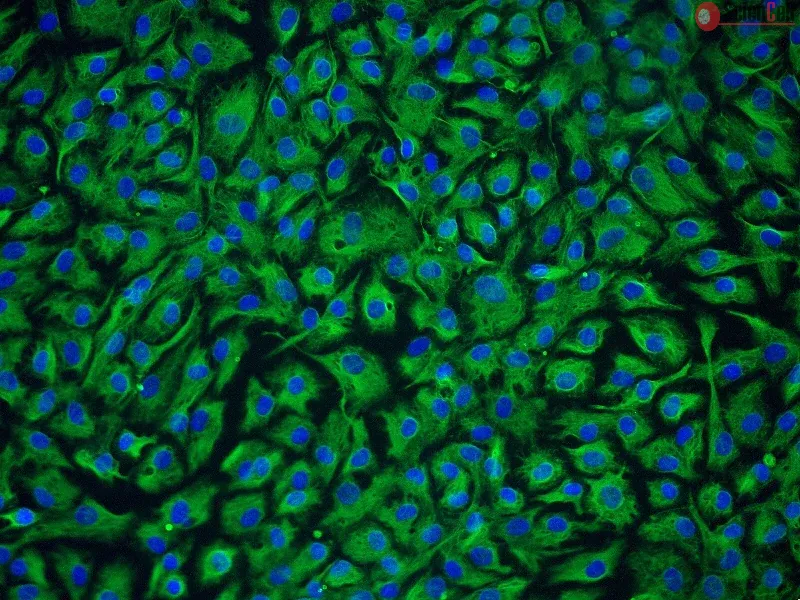
A result of intervertebral disc (IVD) degeneration, the nucleus pulposus (NP) is no longer able to withstand applied load leading to pain and disability. The objective of this study is to fabricate a tissue-engineered injectable scaffold with chondroprotective supplementation in vitro to improve the mechanical properties of a degenerative NP. Tissue-engineered scaffolds were fabricated using different concentrations of alginate and calcium chloride and mechanically evaluated. Fabrication conditions were based on structural and mechanical resemblance to the native NP. Chondroprotective supplementation, glucosamine (GCSN) and chondroitin sulfate (CS), were added to scaffolds at concentrations of 0:0µg/mL (0:0-S), 125:100µg/mL (125:100-S), 250:200µg/mL (250:200-S), and 500:400µg/mL (500:400-S), GCSN and CS, respectively. Scaffolds were used to fabricate tissue-engineered constructs through encapsulation of human nucleus pulposus cells (HNPCs). The tissue-engineered constructs were collected at days 1, 14, and 28 for biochemical and biomechanical evaluations. Confocal microscopy showed HNPC viability and rounded morphology over the 28 day period. MTT analysis resulted in significant increases in cell proliferation for each group. Collagen type II ELISA quantification and compressive aggregate moduli (HA) showed increasing trends for both 250:200-S and the 500:400-S groups on Day 28 with significantly greater HA compared to 0:0-S group. Glycosaminoglycan and water content decreased for all groups. Results indicate the increased mechanical properties of the 250:200-S and the 500:400-S was due to production of a functional matrix. This study demonstrated potential for a chondroprotective supplemented injectable scaffold to restore biomechanical function of a degenerative disc through the production of a mechanically functional matrix. Keywords: Alginate hydrogel; Confined compression; Nucleus pulposus; Tissue engineering. Copyright © 2013 Elsevier Ltd. All rights reserved. Less
Introduction: One common cause of disability in modern society is low back pain. The main reason for this pain is the degeneration of the intervertebral disc (IVD), parti... More
Introduction: One common cause of disability in modern society is low back pain. The main reason for this pain is the degeneration of the intervertebral disc (IVD), particularly of the nucleus pulposus (NP). For the early degeneration stage, a cell-based therapy could constitute a minimally invasive method of treatment. Therefore, adequate cells are needed. As the usage of NP cells is limited because of their insufficient amount or vitality, a promising alternative is the application of human mesenchymal stem cells (hMSCs) Objective: To investigate the potential of various growth factors to induce the differentiation of hMSCs into NP cells and thereby to obtain an alternative cell source for the treatment of IVD degeneration. Methods: hMSC-TERT were cultivated three-dimensionally in a hydrogel for 21 days to form NP cells. Cell survival and proliferation were determined using SybrGreen/propidium iodide double staining and the WST-test. To investigate the ability of several growth factors to differentiate hMSCs into NP cells, fluorescence immunostaining of NP-specific marker proteins (e.g., chondroadherin (CHAD) and the recently discovered cytokeratin 19) were performed. Results: Following the procedure described above, cells are able to maintain their viability and proliferation capacity throughout the cultivation time. By using a previously established immunofluorescence protocol, we were able to indicate the ability of three different growth factors for differentiating hMSCs into NP-like cells. Conclusion: The expression of several marker proteins in all differentiation experiments indicates the ability of IGF-1, FGF-2 and PDGF-BB to differentiate hMSCs into NP-like cells apart from the usually applied TGF-beta3. Furthermore, our findings preclude the application of Cytokeratin 19 as a specific marker protein for NP cells. Further experiments have to be done to find real specific NP marker proteins to indisputably verify the differentiation of hMSCs into NP cells. If so, application of these three growth factors would possibly be an option to obtain sufficient NP cells for minimally invasive IVD regeneration. Less




,-1-mg-ml--2.jpg)