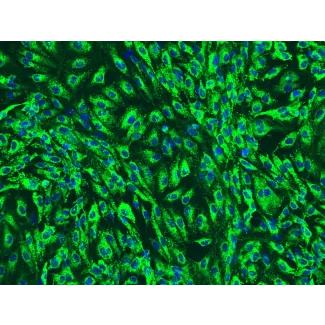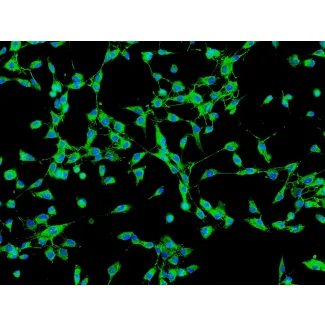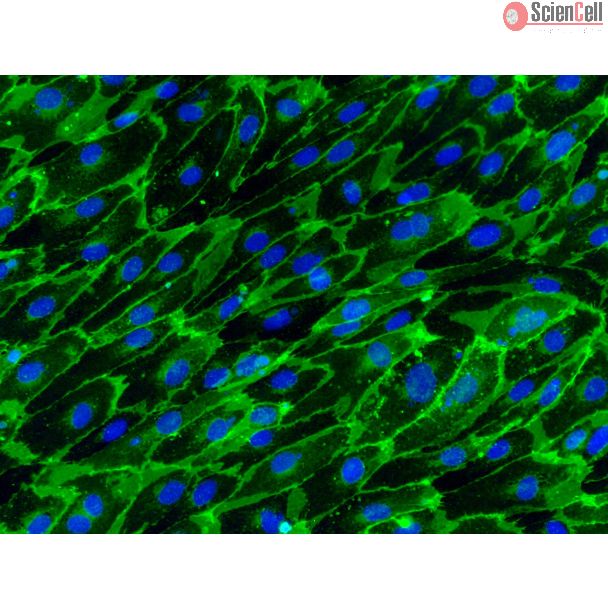
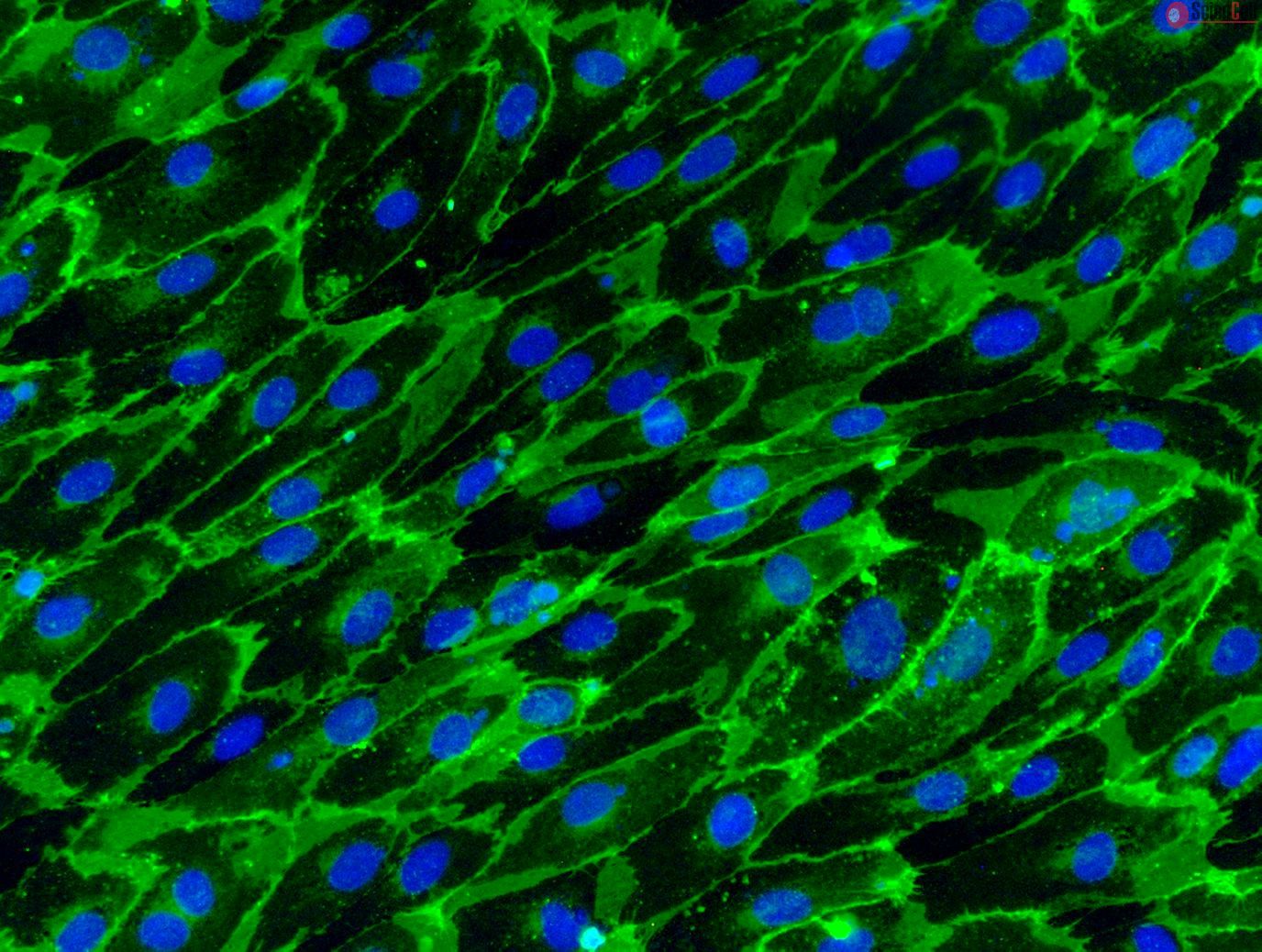
Human Gallbladder Vascular Endothelial Cells
Human Gallbladder Vascular Endothelial Cells (HGBVEC) perform essential physiological functions and are central to the pathogenesis of biliary diseases. These cells form a continuous, non-fenestrated vascular barrier that regulates the selective exchange of fluids and solutes—a critical process supporting the gallbladder’s primary role in storing and concentrating bile between meals. In the context of gallbladder cancer, the most common biliary tract malignancy, these cells undergo significant structural and functional remodeling. Driven by pro-angiogenic signals like VEGF, gallbladder endothelial cells facilitate the pathological angiogenesis and migration essential for tumor progression and high metastatic spread. Integrating signals from the unique, bile-rich microenvironment, gallbladder endothelial cells drive systemic disease through their dysfunction, making primary HGBVEC a reliable and biologically accurate model for researching biliary homeostasis and oncology.
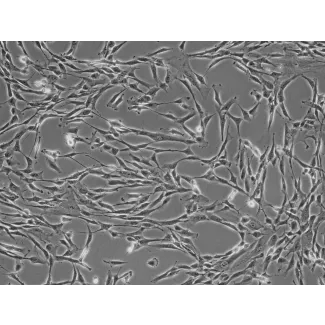
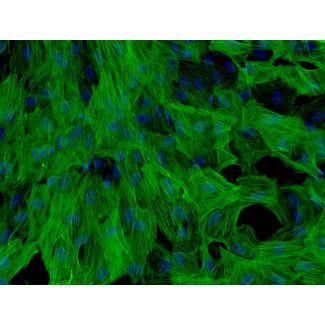
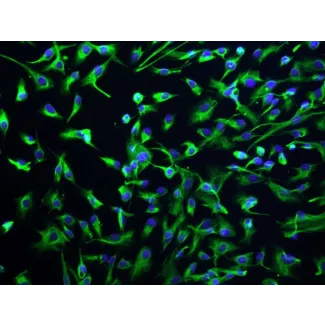
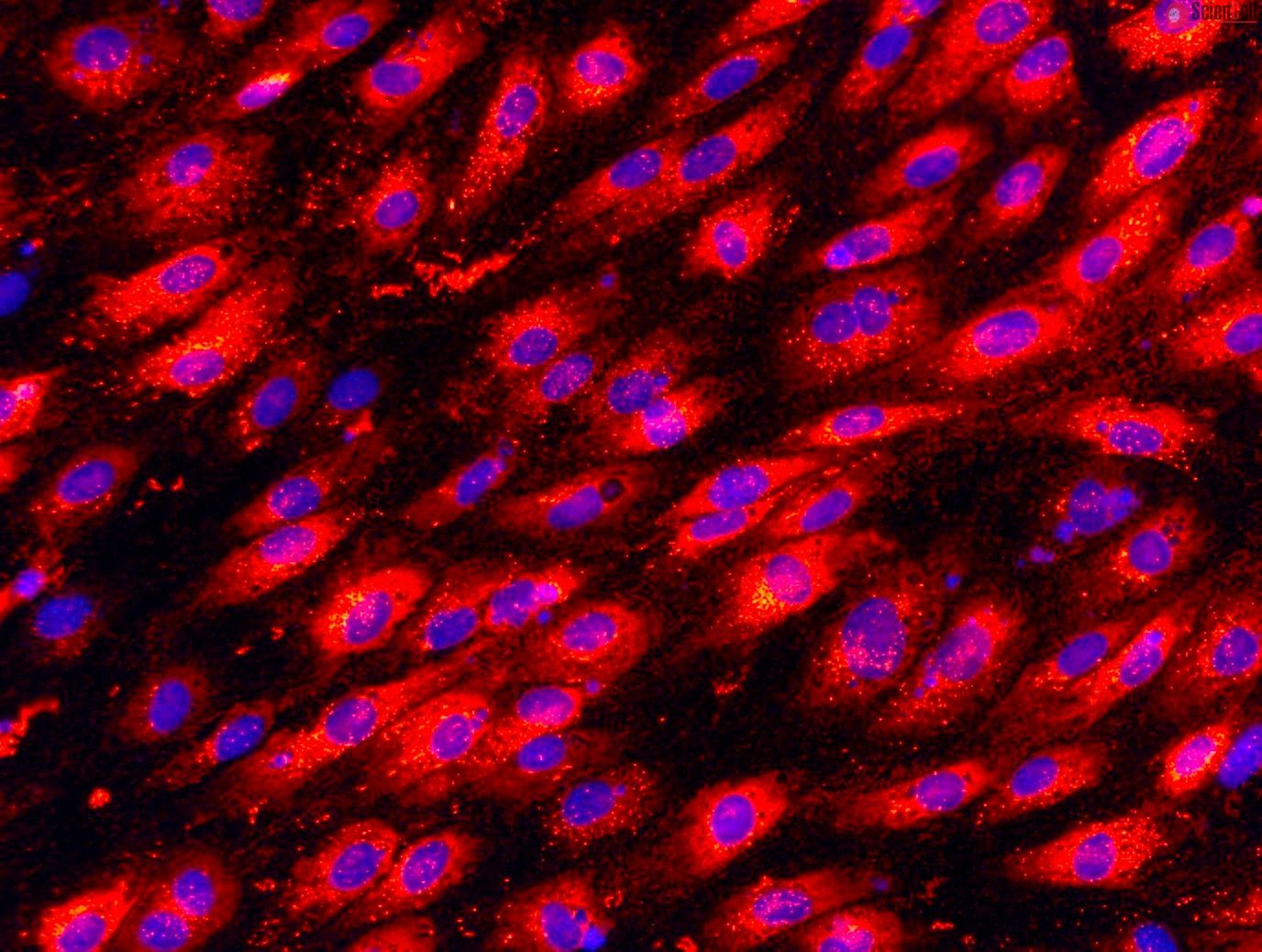
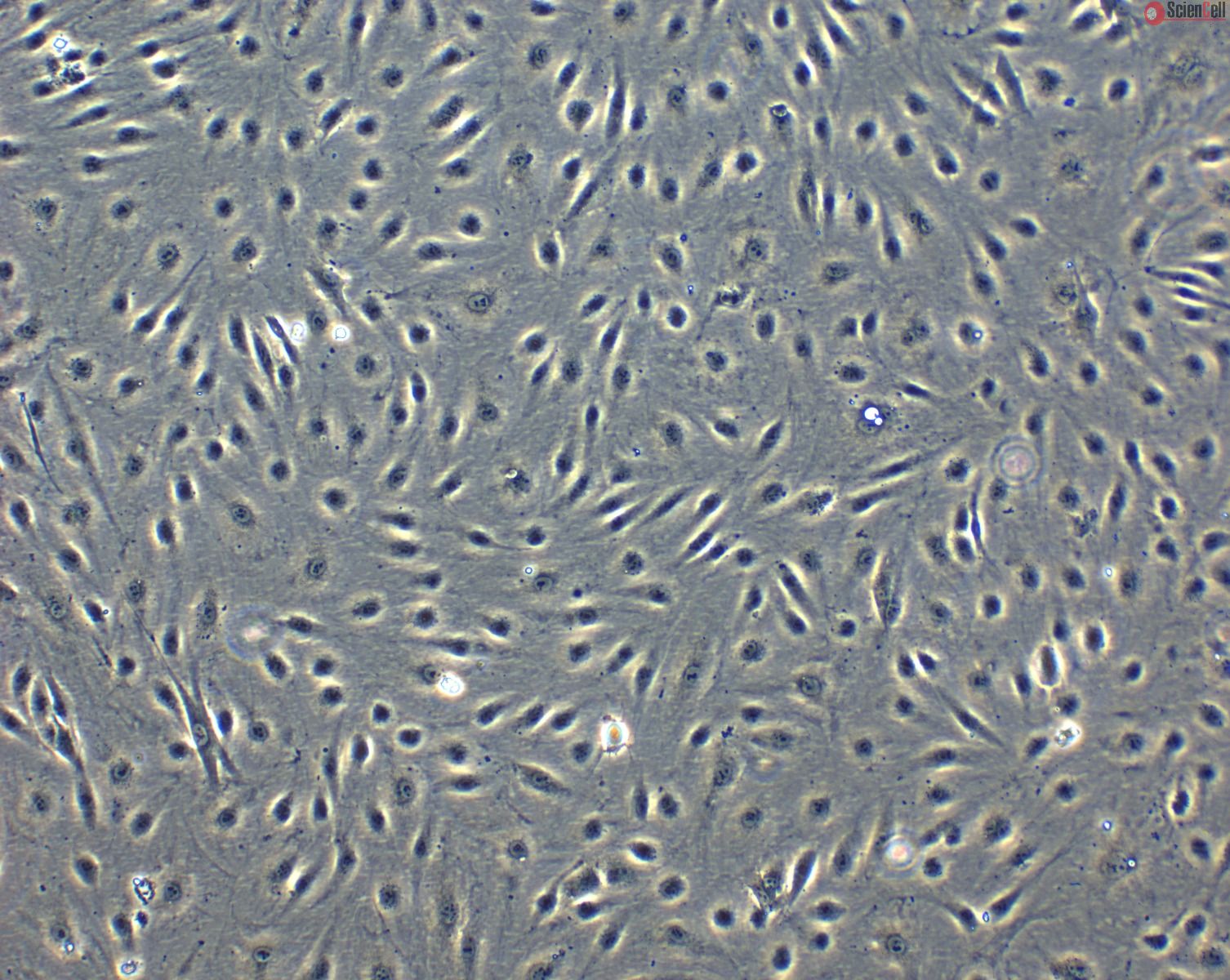
HGBVEC from ScienCell Research Laboratories are isolated from human gallbladder tissue. HGBVEC are cryopreserved at passage one and delivered frozen. Each vial contains >5 x 10⁵ cells in 1 ml volume. HGBVEC are characterized by immunofluorescence with antibodies specific to vWF/Factor VIII and/or CD31 (PECAM1). HGBVEC are negative for HIV-1, HBV, HCV, mycoplasma, bacteria, yeast, and fungi. HGBVEC are guaranteed to further culture under the conditions provided by ScienCell Research Laboratories; however, HGBVECs are not recommended for expanding or long-term cultures due to limited expansion capacity.
| Catalog No. | 5440 |
|---|---|
| Country of Manufacture | United States |
| Product Code | HGBVEC |
| Size/Quantity | 5 x 10⁵ cells/vial |
| Product use | This product is for research use only. It is not approved for human or animal use, or for application in in vitro diagnostic procedures. |
| Storage | Upon receiving, directly and immediately transfer the cells from dry ice to liquid nitrogen and keep the cells in liquid nitrogen until they are needed for experiments. |
| Shipping | Dry ice. |
Product Sheets

Search for a Certificate of Analysis by Lot Number below:
Find answers to common questions about ScienCell products, cell culture, handling, and research applications.
No Publication available at this time.