大鼠脾脏成纤维细胞
ScienCell Research Laboratories 提供的大鼠脾脏成纤维细胞(RSF)分离自大鼠脾脏组织。RSF 细胞以第 1 代冻存,并以冷冻状态运输。每瓶含有超过 5 x 10⁵ 个细胞,悬液体积为 1 mL。
Orchestrated by a specialized network of resident splenic fibroblasts (SF), the spleen coordinates systemic immune surveillance within its white pulp and maintains blood homeostasis via red pulp mediated filtration. Through these distinct stromal and compartmentalized functions, it effectively clears blood-borne pathogens while initiating robust adaptive immune responses. Splenic fibroblasts comprise a heterogeneous group of mesenchymal stromal cells critical for organ compartmentalization, structural maintenance, and immune regulation. Splenic fibroblasts drive a diverse array of functions, represented by specialized subsets such as fibroblastic reticular cells (FRCs), red pulp fibroblasts, and marginal reticular cells. Fibroblastic reticular cells (FRCs) drive stromal network organization, actively providing the cues necessary to orchestrate successful T cell activation. Red pulp fibroblasts maintain the spleen's structural integrity, support blood filtration and immune cell reserves, and provide a microenvironment for red blood cell turnover. Positioned at the marginal zone, marginal reticular cells (MRCs) serve as structural organizers and gatekeepers between the spleen's red and white pulp. Rat splenic fibroblasts (RSF) can be used to study immune cell interactions with the spleen’s microenvironment and the differentiation and plasticity of stromal cells.
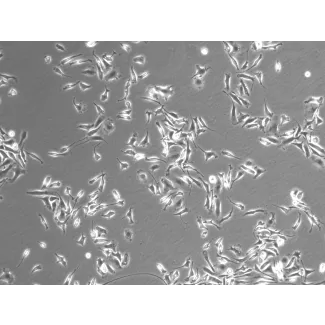
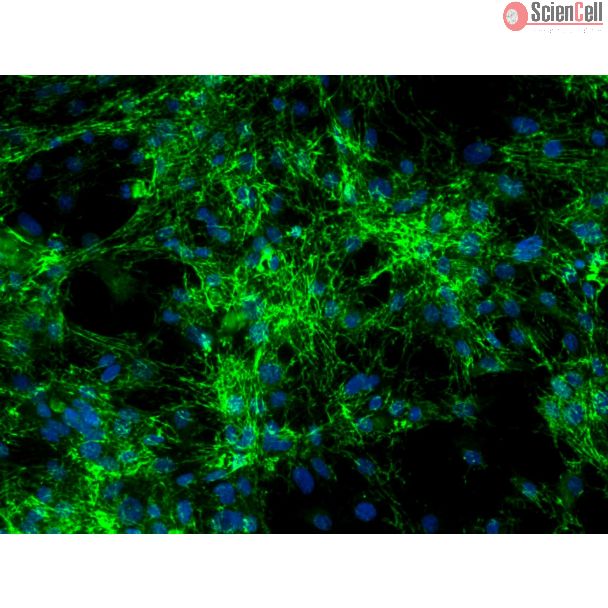
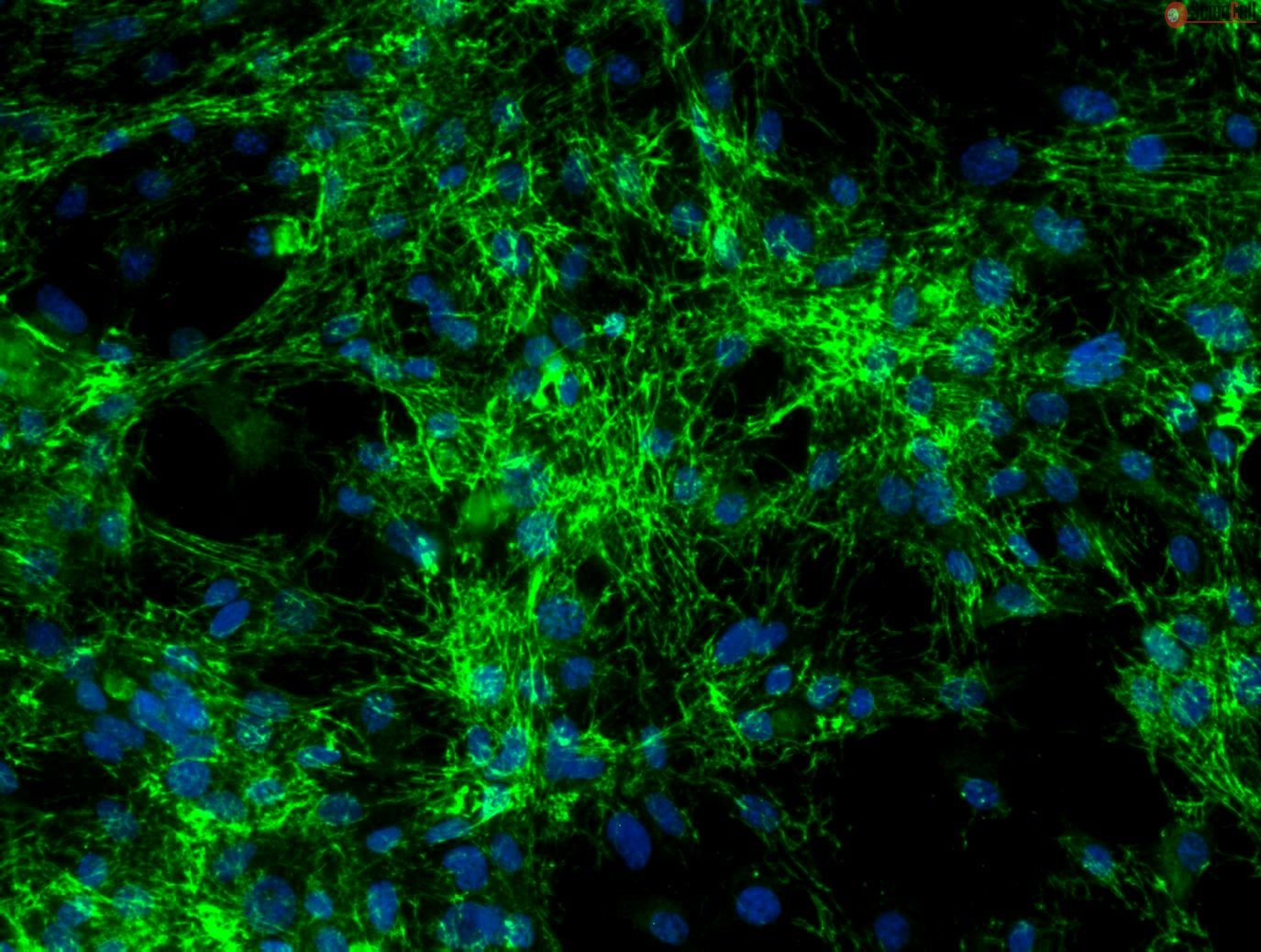
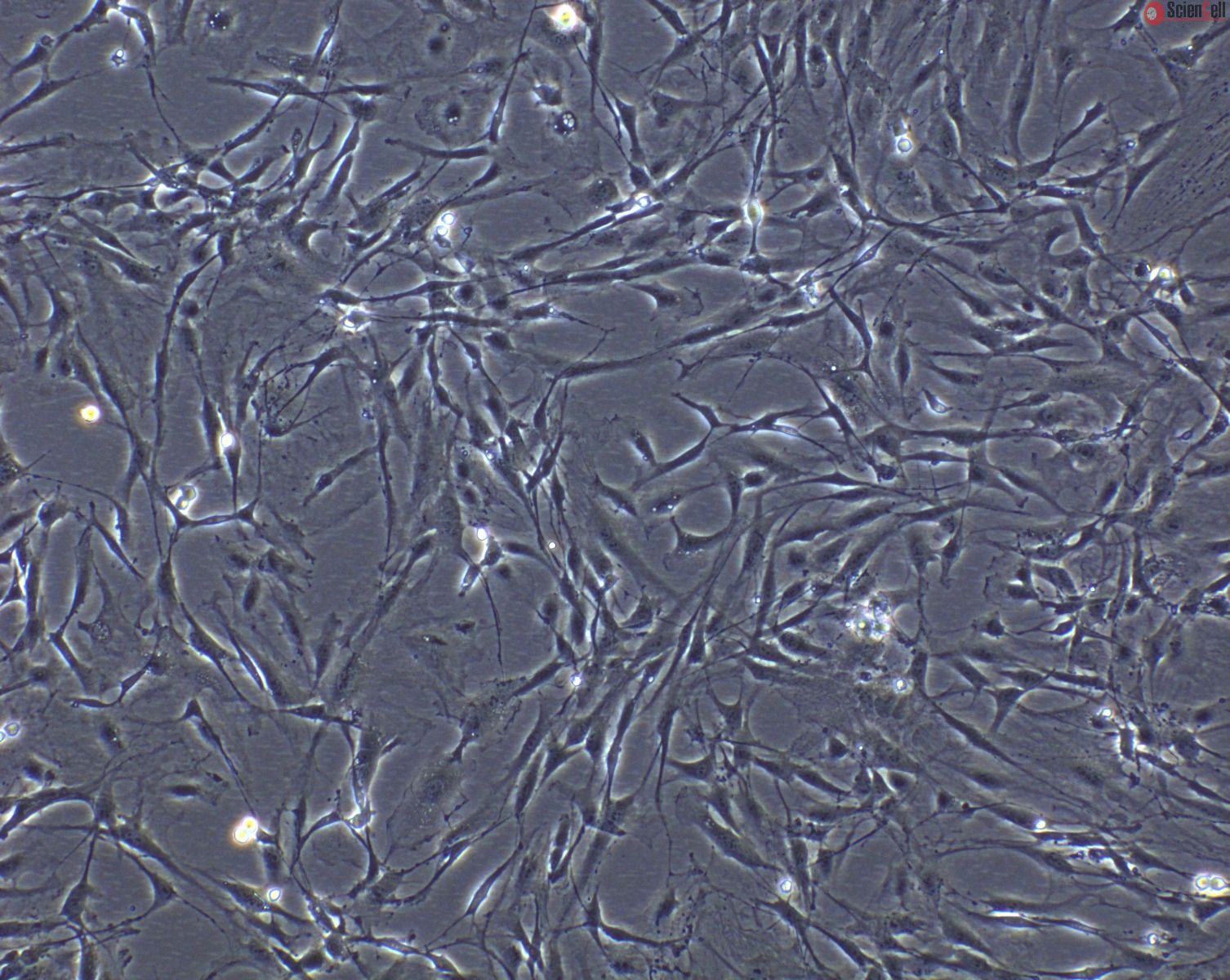
RSF from ScienCell Research Laboratories are isolated from rat spleen. RSF are cryopreserved at passage one and delivered frozen. Each vial contains >5 x 10⁵ cells in 1 ml volume. RSF are characterized by their spindle-shaped morphology and immunofluorescence with antibody specific to fibronectin. RSF are negative for mycoplasma, bacteria, yeast, and fungi. RSF are guaranteed to further expand for 5 population doublings under the conditions provided by ScienCell Research Laboratories.
Recommended Medium
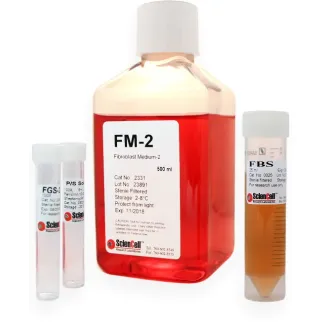
It is recommended to use Fibroblast Medium-2 (FM-2, Cat. #2331) for culturing RSF in vitro.
脾脏通过驻留于其中的特化成纤维细胞网络协调免疫监视,并在白髓中参与全身免疫监视,同时通过红髓介导的过滤作用维持血液稳态。凭借这些不同的基质支持功能及分区功能,脾脏能够有效清除血源性病原体,并启动强有力的适应性免疫应答。脾脏成纤维细胞是一类具有异质性的间充质基质细胞,对脾脏组织分区、结构维持及免疫调节至关重要。脾脏成纤维细胞承担多种功能,包括由不同特化亚群执行的功能,例如成纤维网状细胞(FRC)、红髓成纤维细胞和边缘区网状细胞。成纤维网状细胞(FRC)负责组织基质网络,并主动提供必要的信号,协调 T 细胞的有效活化。红髓成纤维细胞维持脾脏的结构完整性,支持血液过滤和免疫细胞储备,并为红细胞更新与清除提供适宜的微环境。边缘区网状细胞(MRC)位于脾脏边缘区,在红髓与白髓之间发挥结构组织和屏障把关作用。大鼠脾脏成纤维细胞(RSF)可用于研究免疫细胞与脾脏微环境之间的相互作用,以及基质细胞的分化与可塑性。
ScienCell Research Laboratories 提供的 RSF 细胞分离自大鼠脾脏组织。RSF 细胞以第 1 代冻存,并以冷冻状态运输。每瓶含有超过 5 x 10⁵ 个细胞,悬液体积为 1 mL。RSF 细胞具有梭形形态,并通过使用针对纤维连接蛋白的特异性抗体进行免疫荧光染色鉴定。细胞经检测,不含支原体、细菌、酵母及真菌。在 ScienCell Research Laboratories 提供的培养条件下,RSF 细胞保证可继续扩增至少 5 个群体倍增。
推荐培养基
建议使用成纤维细胞培养基-2(Fibroblast Medium-2,FM-2,产品编号:2331)进行 RSF 细胞的体外培养。
| 目录编号 | R5530 |
|---|---|
| 制造国家 | 美国 |
| 产品编码 | RSF |
| 规格/数量 | Each vial contains >5 x 10⁵ cells in 1 ml volume |
| 产品用途 | This product is for research use only. It is not approved for human or animal use, or for application in in vitro diagnostic procedures. |
| 储存 | Upon receiving, directly and immediately transfer the cells from dry ice to liquid nitrogen and keep the cells in liquid nitrogen until they are needed for experiments. |
| 运输 | Dry ice. |
Product Sheets

Search for a Certificate of Analysis by Lot Number below:
Find answers to common questions about ScienCell products, cell culture, handling, and research applications.
No Publication available at this time.
.webp)