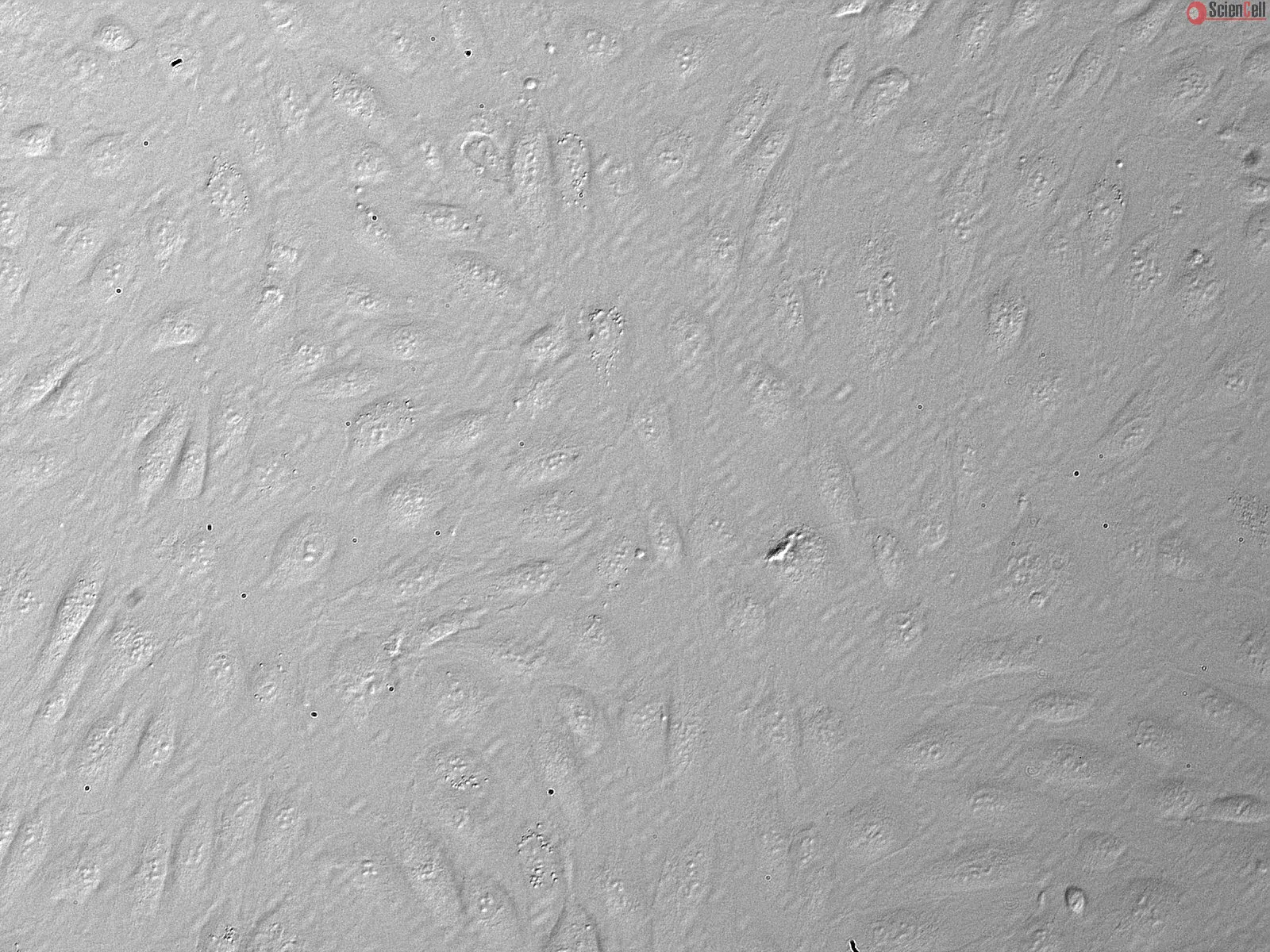
人源宫颈微血管内皮细胞
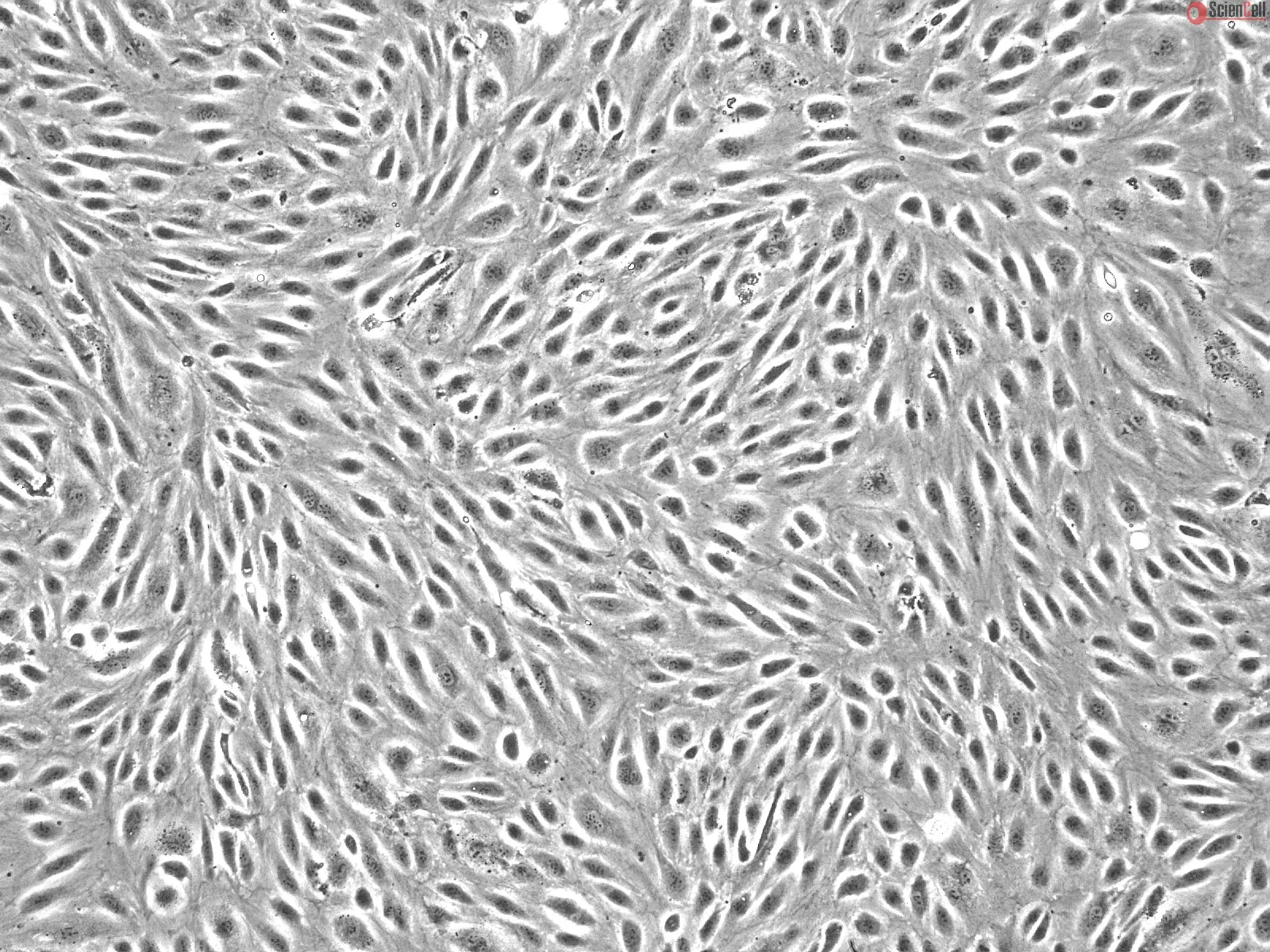
ScienCell Research Laboratories 提供的人源宫颈微血管内皮细胞(HCerMEC)分离自人源宫颈组织。HCerMEC 以第 1 代细胞进行冻存,并以冷冻状态运输。每瓶含有超过 5 x 10⁵ 个细胞,体积为 1 ml。
The cervix is the lower portion of the uterus and functions to promote fertility and protect the female reproductive tract and fetus from potential pathogens. In addition, the cervix plays a critical role in childbirth by effacing and dilating to allow the baby to pass out of the uterus. Vascular endothelial cells lining the blood vessels actively participate in many vital biological processes. Cervical Microvascular Endothelial Cells (CerMEC) limit the passage of cellular and soluble substances between the blood vessels and the surrounding tissues. CerMEC also play critical roles in angiogenesis, vasculogenesis, and the inflammatory response. CerMEC angiogenesis has been shown to contribute to the progression of cervical cancer. Recent studies suggest that CerMEC may even initiate signaling events which directly promote tumor growth. Cultured human CerMEC (HCerMEC) are a useful model to elucidate the mechanisms of normal and pathological angiogenesis and develop therapeutic treatments for cervical cancer.
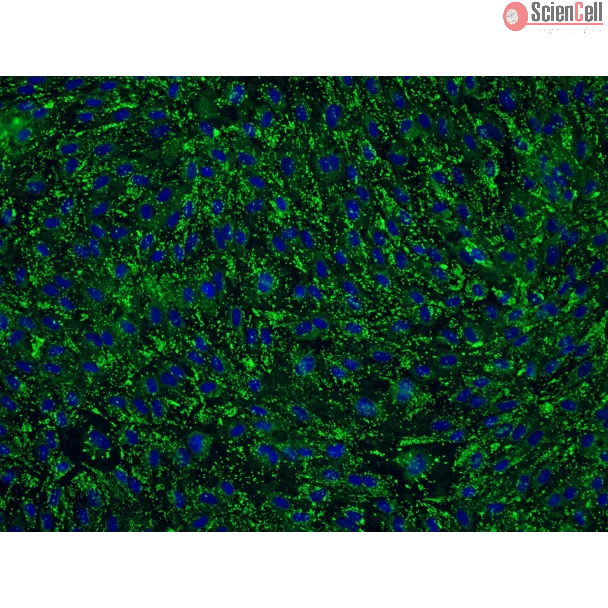
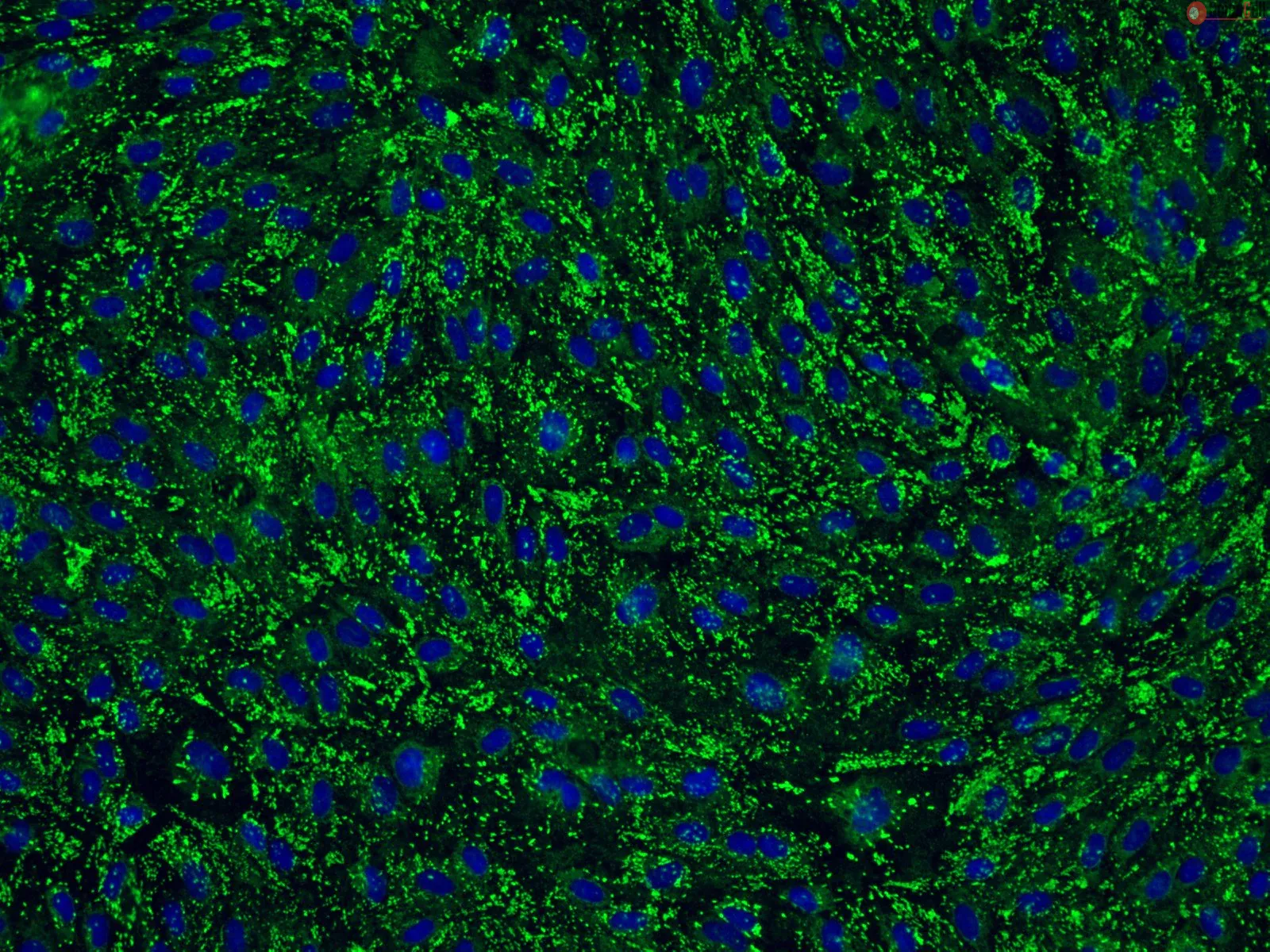
HCerMEC from ScienCell Research Laboratories are isolated from human cervix. HCerMEC are cryopreserved at passage one and delivered frozen. Each vial contains >5 x 10⁵ cells in 1 ml volume. HCerMEC are characterized by immunofluorescence with antibodies specific to vWF/Factor VIII and/or CD31 (PECAM). HCerMEC are negative for HIV-1, HBV, HCV, mycoplasma, bacteria, yeast, and fungi. HCerMEC are guaranteed to further expand for 5 population doublings under the conditions provided by ScienCell Research Laboratories.
Recommended Medium
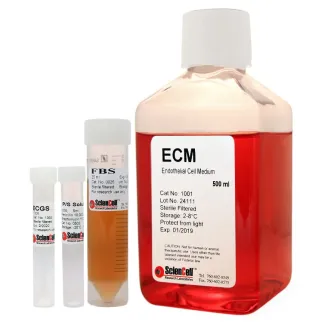
It is recommended to use Endothelial Cell Medium (ECM, Cat. #1001) for culturing HCerMEC in vitro.
宫颈是子宫的下部结构,在促进生育以及保护女性生殖系统和胎儿免受潜在病原体侵害方面发挥重要作用。此外,宫颈在分娩过程中通过消退和扩张,使胎儿能够顺利通过子宫,是分娩过程中的关键结构。排列于血管内壁的血管内皮细胞积极参与多种重要的生物学过程。宫颈微血管内皮细胞(CerMEC)可调节血管与周围组织之间细胞及可溶性物质的通透性。CerMEC 还在血管生成、血管发生以及炎症反应中发挥关键作用。研究表明,CerMEC 介导的血管生成可能促进宫颈癌的发展。近期研究进一步提示,CerMEC 甚至可能启动直接促进肿瘤生长的信号通路。培养的人源宫颈微血管内皮细胞(HCerMEC)是研究正常及病理性血管生成机制,并开发宫颈癌治疗策略的有价值的体外研究模型。
ScienCell Research Laboratories 提供的人源宫颈微血管内皮细胞(HCerMEC)分离自人源宫颈组织。HCerMEC 以第 1 代细胞进行冻存,并以冷冻状态运输。每瓶含有超过 5 x 10⁵ 个细胞,体积为 1 ml。HCerMEC 经采用针对 vWF/凝血因子 VIII(vWF/Factor VIII)和/或 CD31(PECAM)的特异性抗体进行免疫荧光鉴定。HCerMEC 经检测为 HIV-1、HBV、HCV、支原体、细菌、酵母菌和真菌阴性。根据 ScienCell Research Laboratories 提供的培养条件,HCerMEC 可保证进一步扩增 5 个群体倍增周期。
推荐培养基
建议使用内皮细胞培养基(ECM,产品编号 #1001)对 HCerMEC 进行体外培养。
| 目录编号 | 7050 |
|---|---|
| 制造国家 | 美国 |
| 产品编码 | HCerMEC |
| 规格/数量 | 5 x 10^5 cells/vial |
| 产品用途 | 本产品仅供研究使用。未经批准,不得用于人体、动物或体外诊断程序。 |
| 储存 | 收到后,立即将细胞从干冰转移到液氮中,并在液氮中保存,直到需要进行实验。 |
| 运输 | 干冰。 |
Product Sheets

Search for a Certificate of Analysis by Lot Number below:
Find answers to common questions about ScienCell products, cell culture, handling, and research applications.
No Publication available at this time.