
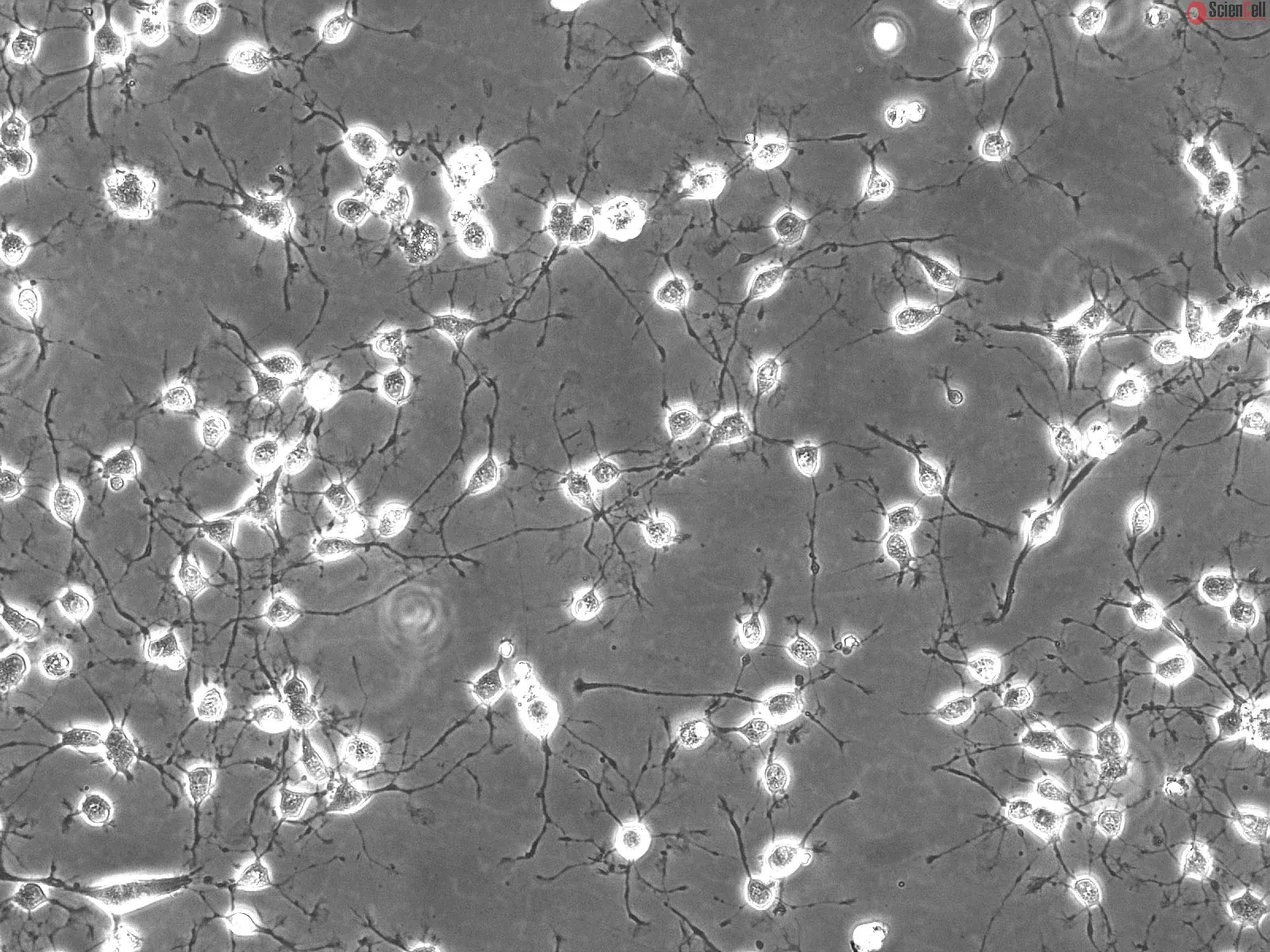
Rat Oligodendrocyte Precursor Cells
Related Promotion:

15% off mouse and rat primary astrocyte vials
10% off all rat primary cells in stock
The precursor cells of oligodendrocytes, the myelin-forming cells of the central nervous system, were first discovered in 1993 by Raff, Miller, and Noble. They have been extensively studied and are referred to in the literature as either oligodendrocyte-type-2 astrocyte progenitor cells or oligodendrocyte precursor cells (OPC). The developing and adult central nervous system both contain OPC. In culture, OPC can be generated from neural progenitors or neural stem cells by the stimulation of basic fibroblast growth factor. OPC proliferate in the presence of platelet-derived growth factor or factors produced by astrocytes, and differentiate into mature oligodendrocytes. Based on these qualities, OPC provide an exceptional model to study developmental transitions.
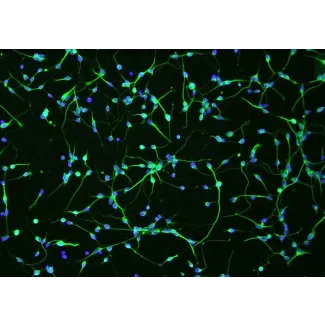
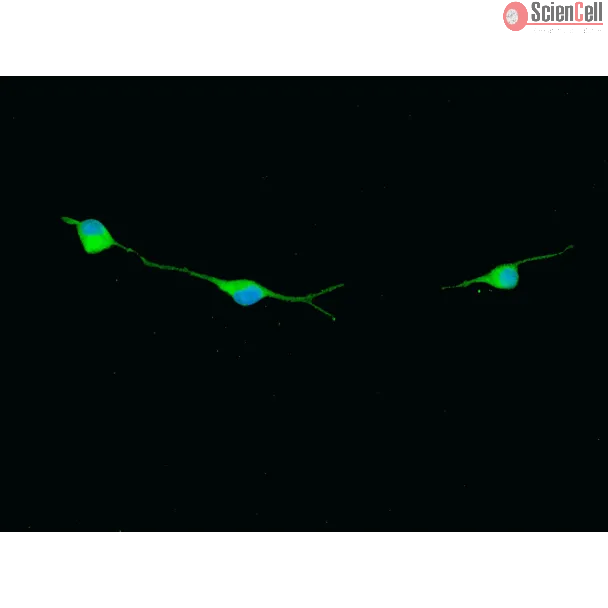
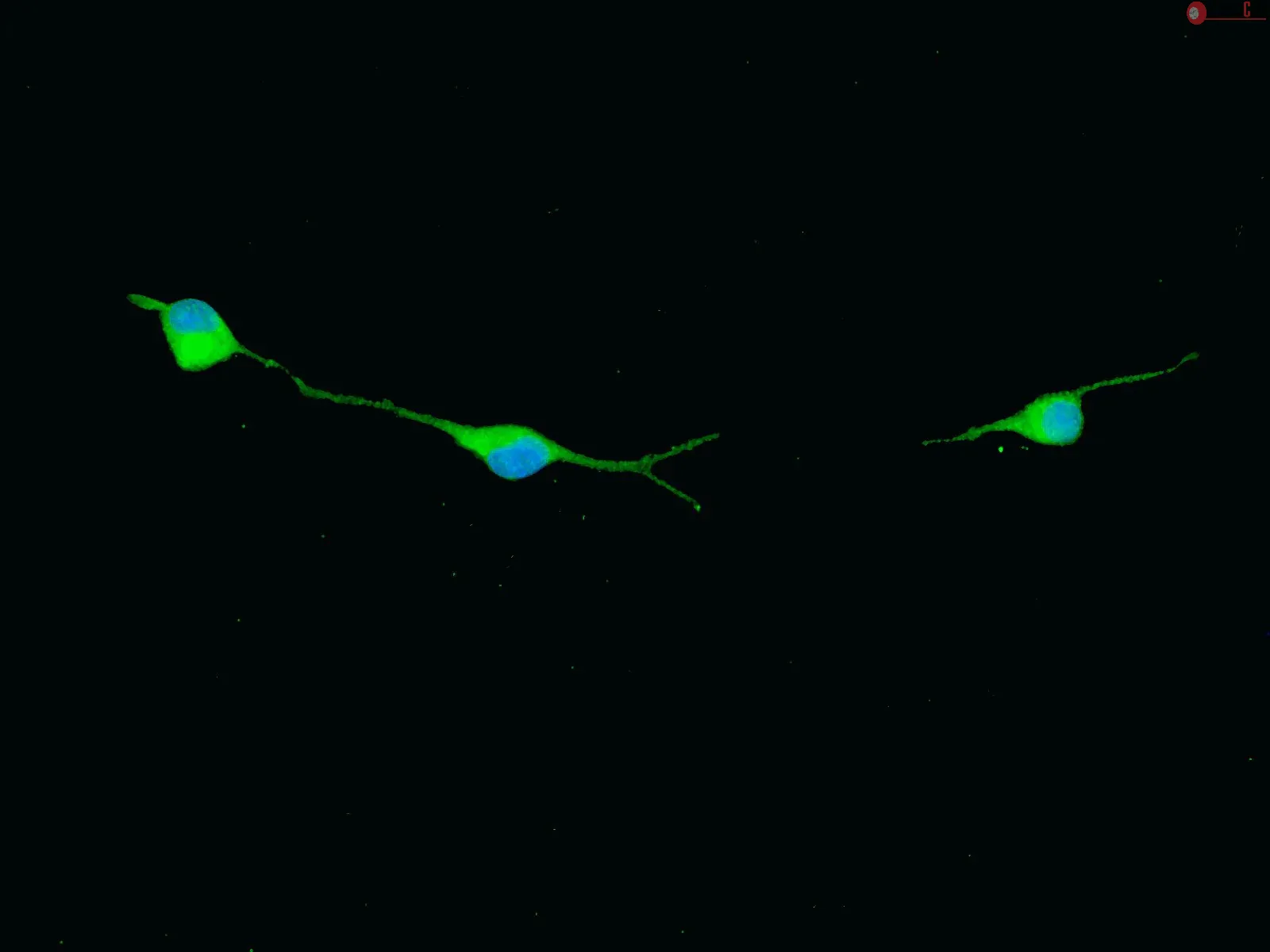
ROPC from ScienCell Research Laboratories are isolated from postnatal day 2 CD® IGS rat brain. ROPC are cryopreserved at P0 and delivered frozen. Each vial contains >1 x 10⁶ cells in 1 ml volume. ROPC are characterized by immunofluorescence with antibodies specific to A2B5 and/or O4. ROPC are negative for mycoplasma, bacteria, yeast, and fungi. ROPC are guaranteed to further culture under the conditions provided by ScienCell Research Laboratories; however, ROPC are not recommended for expanding or long-term cultures due to limited expansion capacity.
Recommended Medium
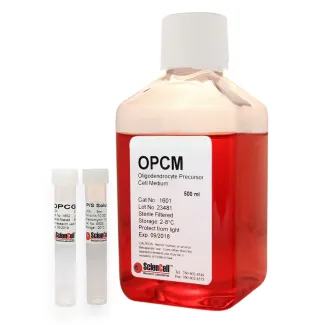
It is recommended to use Oligodendrocyte Precursor Cell Medium (OPCM, Cat. #1601) for culturing ROPC in vitro and Oligodendrocyte Precursor Cell Differentiation Medium (OPCDM, Cat. #1631) for differentiating ROPC.
| Catalog No. | R1600 |
|---|---|
| Country of Manufacture | United States |
| Product Code | ROPC |
| Size/Quantity | 1 x 10^6 cells/vial |
| Product use | This product is for research use only. It is not approved for use in humans, animals, or in vitro diagnostic procedures. |
| Storage | Directly and immediately transfer cells from dry ice to liquid nitrogen upon receiving and keep the cells in liquid nitrogen until cell culture needed for experiments. |
| Shipping | Dry ice. |
Product Sheets

Search for a Certificate of Analysis by Lot Number below:
Find answers to common questions about ScienCell products, cell culture, handling, and research applications.
No Publication available at this time.
,-1-mg-ml--2.jpg)