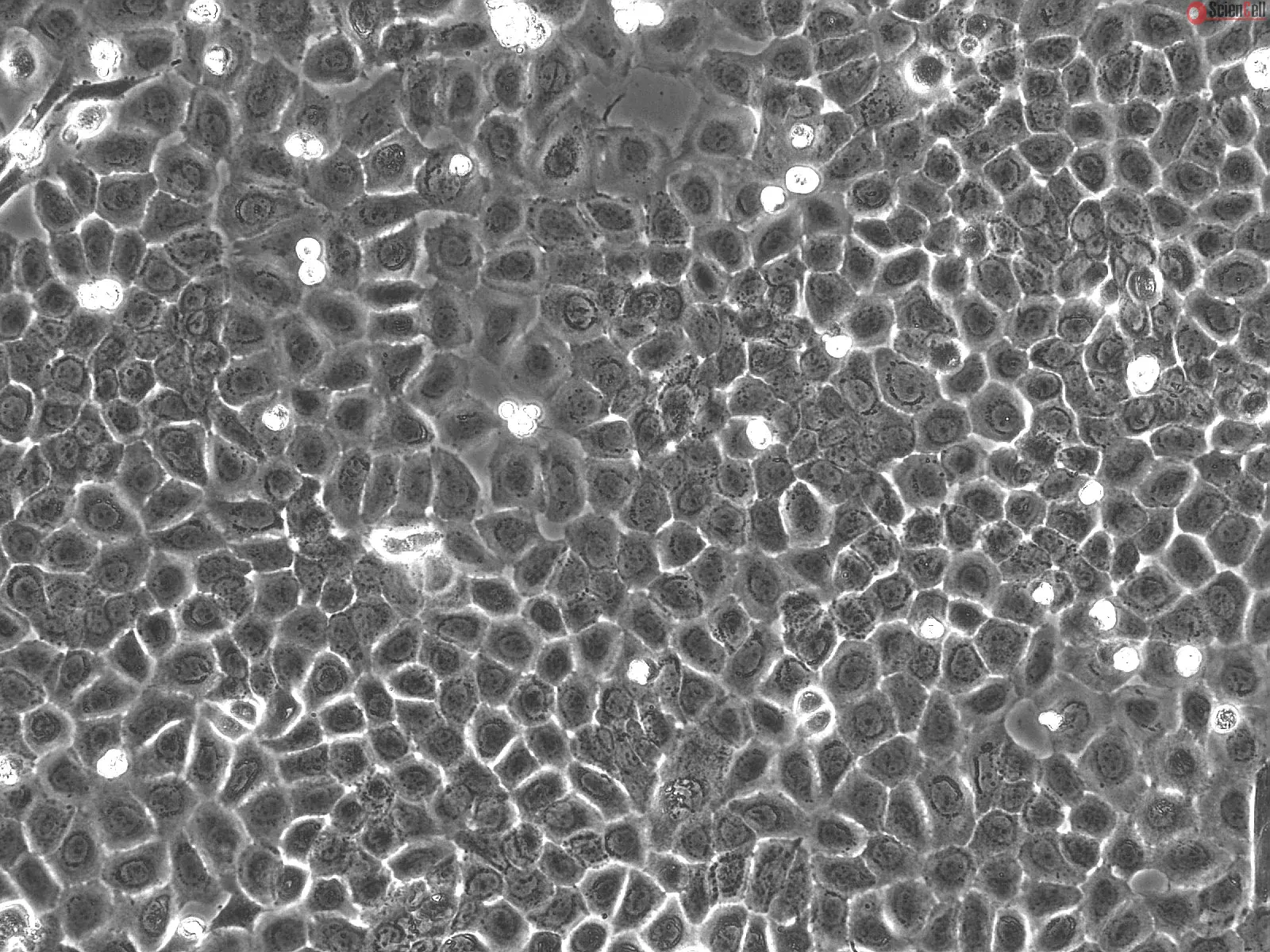
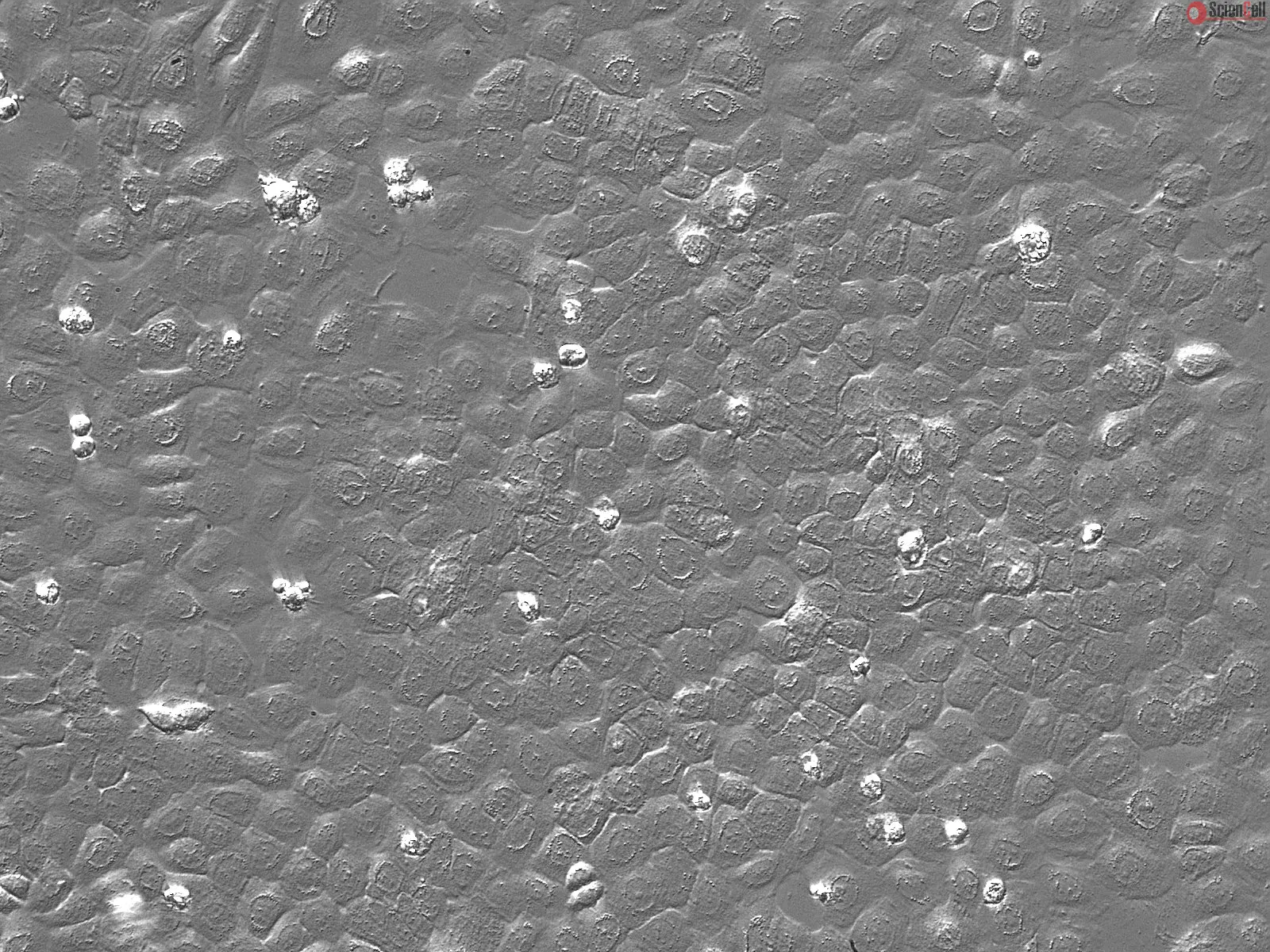
Rat Epidermal Keratinocytes
Related Promotion:

Get 10% off with code Fall20
*Select products only. Mention the code at checkout; discount applied to invoice.The epidermal layer of the skin provides an essential function as a protective barrier against insults from the external environment. The predominant cell type in the epidermis is keratinocytes which account for around 85% of living epidermal cells. They are so named because the most abundant protein in this cell type is keratin. Keratinocytes belong to stratified squamous epithelia. Progenitors of keratinocytes reside and divide in the basal layer of the epidermis. They then differentiate, migrate towards the surface of epidermis, and eventually withdraw from the cell cycle permanently. Keratinocyte proliferation, differentiation, and programmed cell death are complex and carefully choreographed processes. Apart from their protective functions, keratinocytes express adhesion molecules and cytokines, further suggesting an implication in skin innate immunity, tissue homeostasis, wound healing, cancer development, and skin-based gene-therapy.
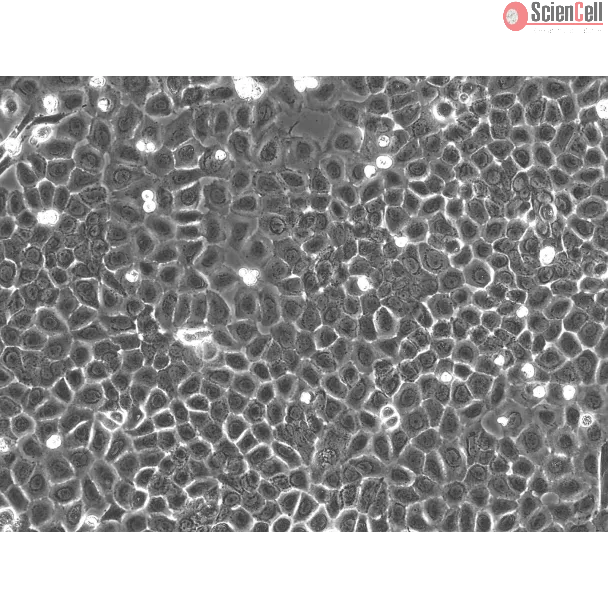
REK from ScienCell Research Laboratories are isolated from neonatal rat skin. REK are cryopreserved at passage one and delivered frozen. Each vial contains >5 x 10⁵ cells in 1 ml volume. REK are characterized by immunofluorescence with antibodies specific to cytokeratin-18. REK are negative for mycoplasma, bacteria, yeast, and fungi. REK are guaranteed to further culture under the conditions provided by ScienCell Research Laboratories; however, REK are not recommended for long-term cultures due to limited expansion capacity and senescence after subculturing.
Recommended Medium
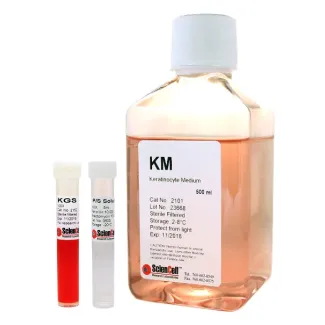
It is recommended to use Keratinocyte Medium (KM, Cat. #2101) for culturing REK in vitro.
| Catalog No. | R2100 |
|---|---|
| Country of Manufacture | United States |
| Product Code | REK |
| Size/Quantity | 5 x 10^5 cells/vial |
| Product use | This product is for research use only. It is not approved for use in humans, animals, or in vitro diagnostic procedures. |
| Storage | Directly and immediately transfer cells from dry ice to liquid nitrogen upon receiving and keep the cells in liquid nitrogen until cell culture needed for experiments. |
| Shipping | Dry ice. |
Product Sheets

Search for a Certificate of Analysis by Lot Number below:
Find answers to common questions about ScienCell products, cell culture, handling, and research applications.
ScienCell Research Laboratories (SRL) takes pride in being a resource for researchers all over the world. The publications listed here are not meant as an endorsement or confirmation of the reliability of the products.
,-1-mg-ml--2.jpg)