Mouse Neurons-midbrain from C57BL/6
The midbrain plays a critical role in processing sensory information and regulating motor control and coordination. The midbrain is home to the colliculi, areas responsible for processing audio and visual information and the substantia nigra, a region involved in movement initiation. A progressive loss of substantia nigra neurons underlies Parkinson’s disease and other disruptions in midbrain function can result in disorders such as Parinaud’s syndrome. Neurons are anatomic, functional, and trophic units of the brain. Neurons are dynamically polarized cells responsible for electrochemically transmitting information throughout the nervous system. Despite great variability in size and shape, all neurons share common morphological features, the key elements of a highly complex communication network. In rat, the adult brain has been shown to contain around 200 million neurons. Primary mouse neurons-midbrain (MN-mb) are a useful in vitro model for studying Parkinson’s disease and disorders associated with the midbrain.
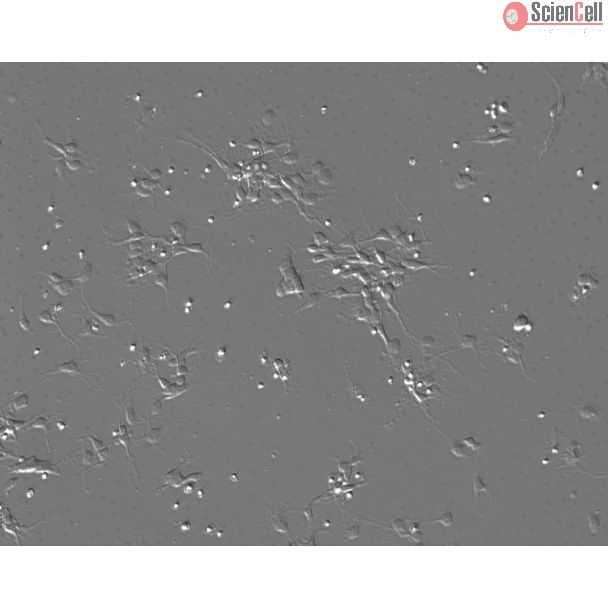
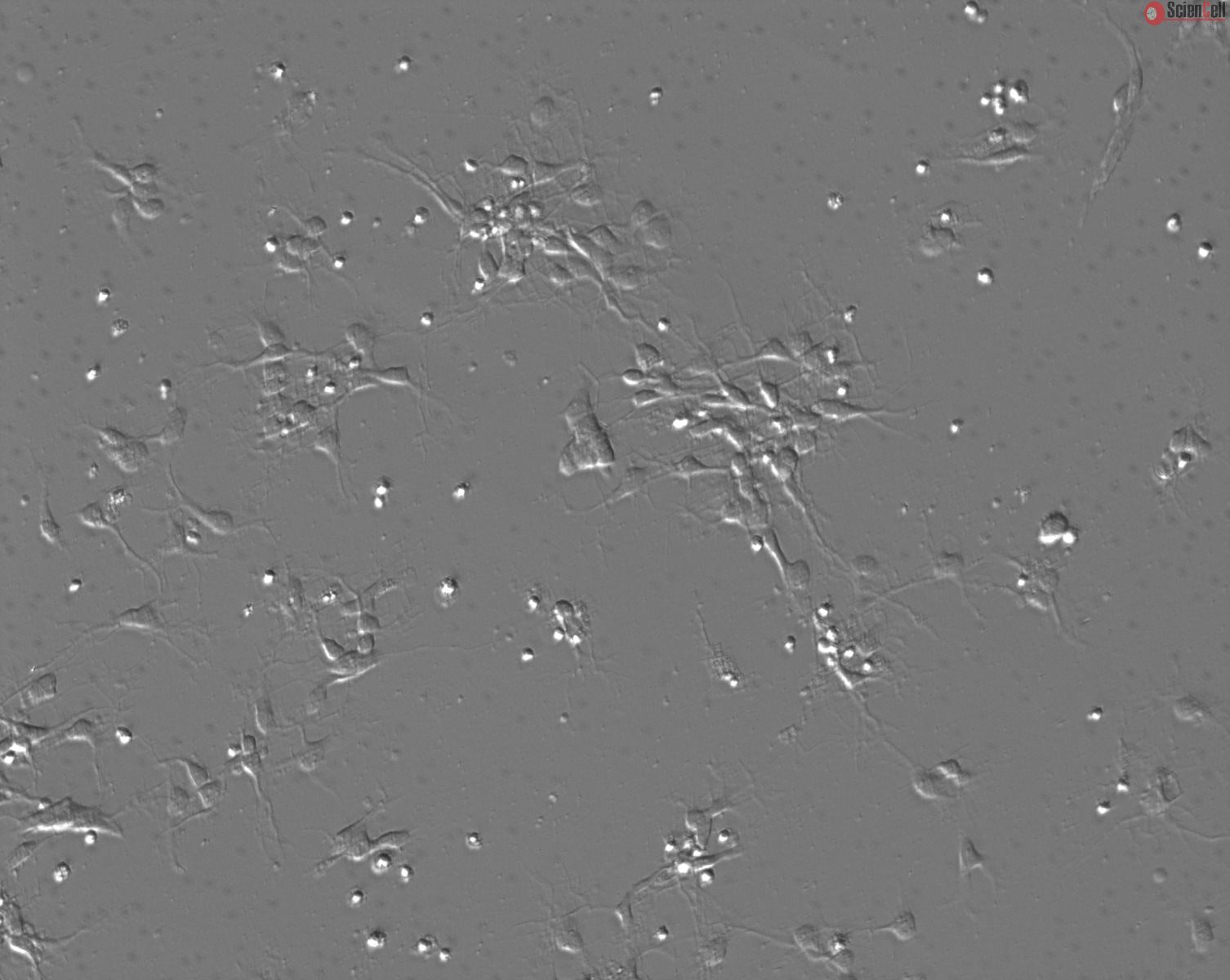
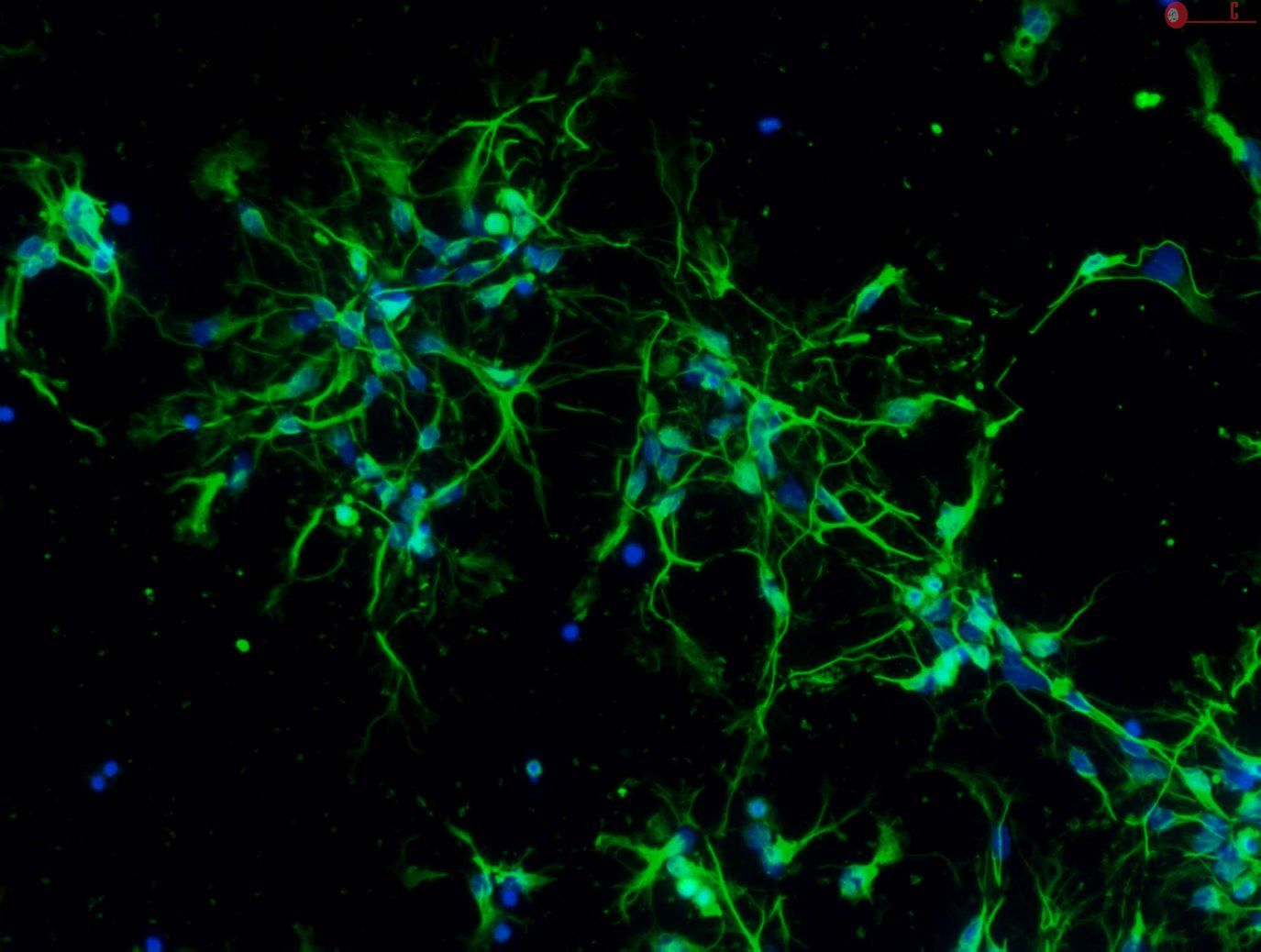
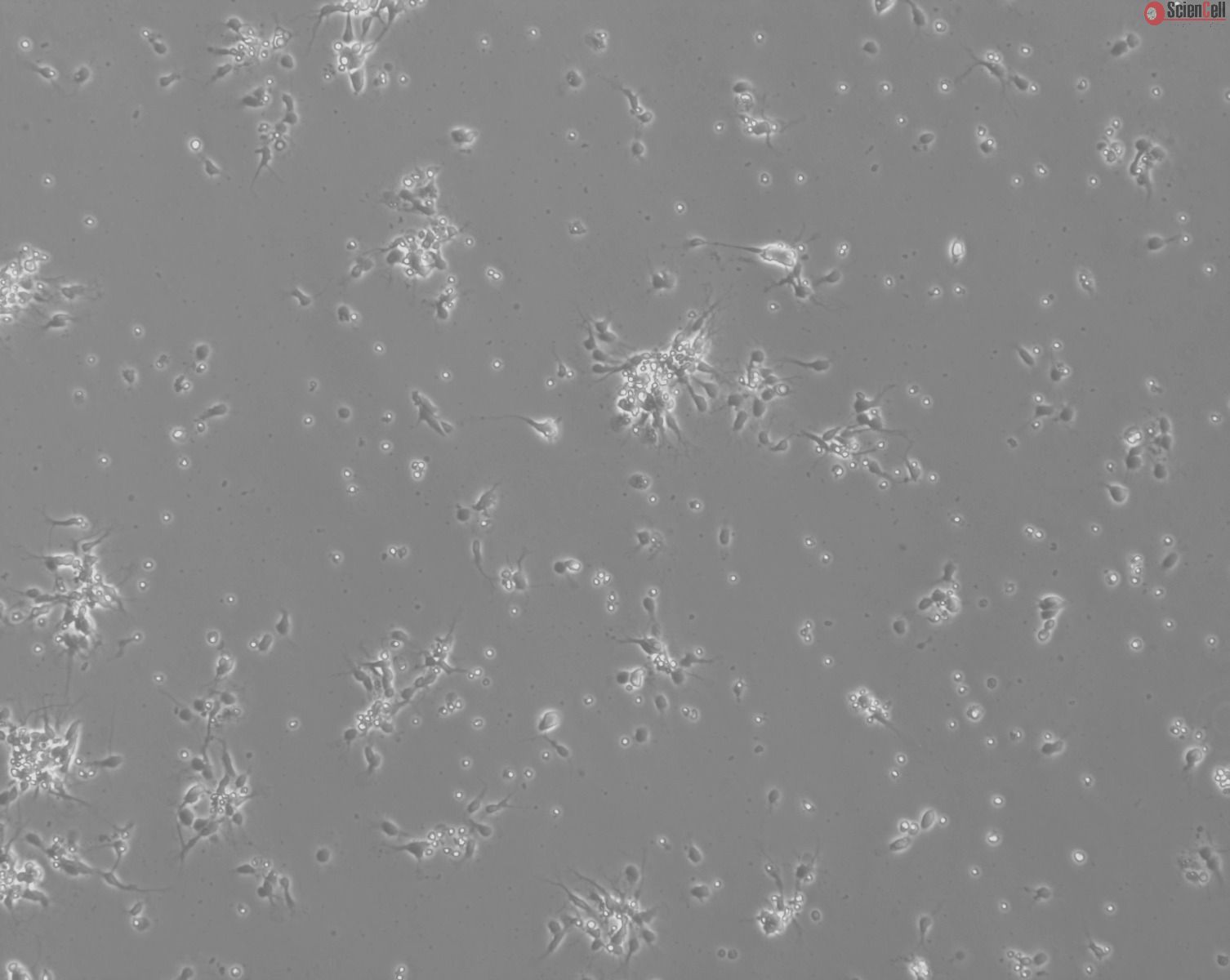
MN-mb from ScienCell Research Laboratories are isolated from embryonic day 14 C57BL/6 mouse midbrain. MN-mb are cryopreserved at P0 and delivered frozen. Each vial contains >1 x 10⁶ cells in 1 ml volume. MN-mb are characterized by immunofluorescence with antibodies specific to β-tubulin III. MN-mb are negative for mycoplasma, bacteria, yeast, and fungi. MN-mb are guaranteed to further culture under the conditions provided by ScienCell Research Laboratories; however, MN-mb are not recommended for expanding or long-term cultures since the cells do not proliferate in culture.
| Catalog No. | M1680-57 |
|---|---|
| Country of Manufacture | United States |
| Product Code | MN-mb |
| Size/Quantity | 1 x 10^6 cells/vial |
| Product use | This product is for research use only. It is not approved for human or animal use, or for application in in vitro diagnostic procedures. |
| Storage | Upon receiving, directly and immediately transfer the cells from dry ice to liquid nitrogen and keep the cells in liquid nitrogen until they are needed for experiments. |
| Shipping | Dry ice. |
Product Sheets

Search for a Certificate of Analysis by Lot Number below:
Find answers to common questions about ScienCell products, cell culture, handling, and research applications.
No Publication available at this time.
,-1-mg-ml--2.jpg)