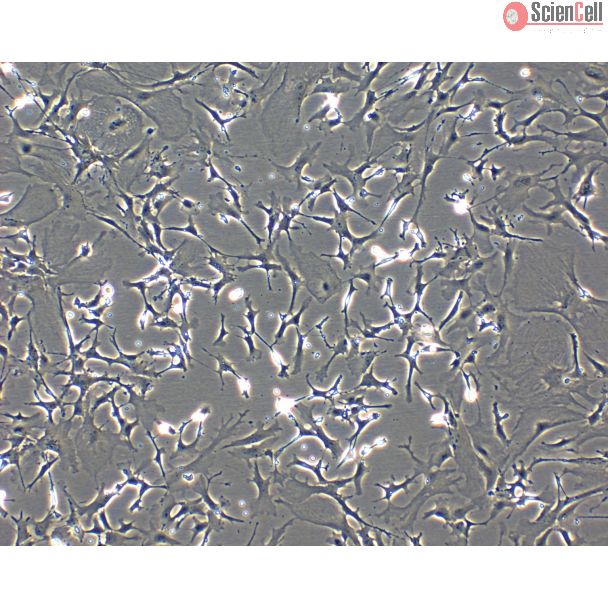
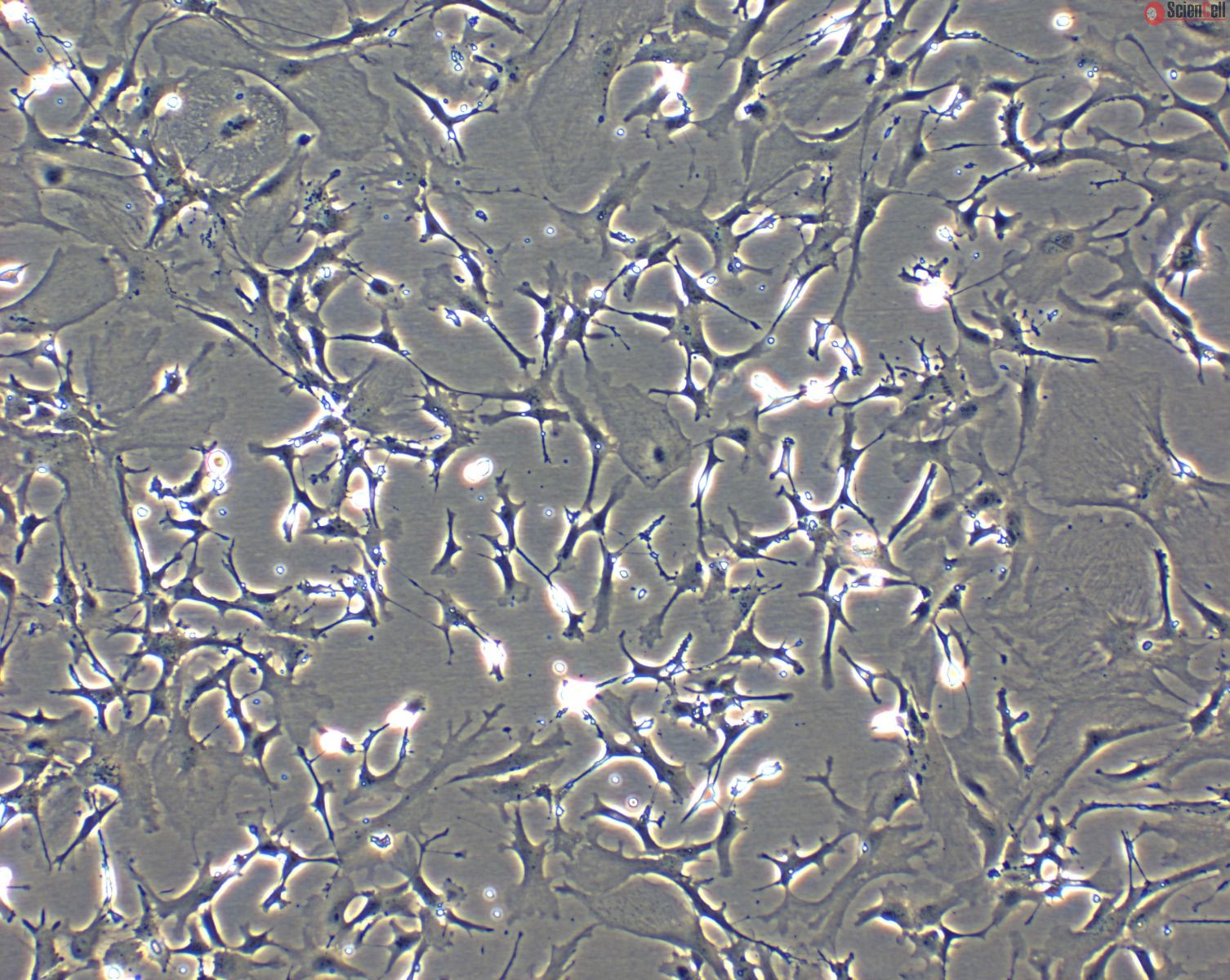
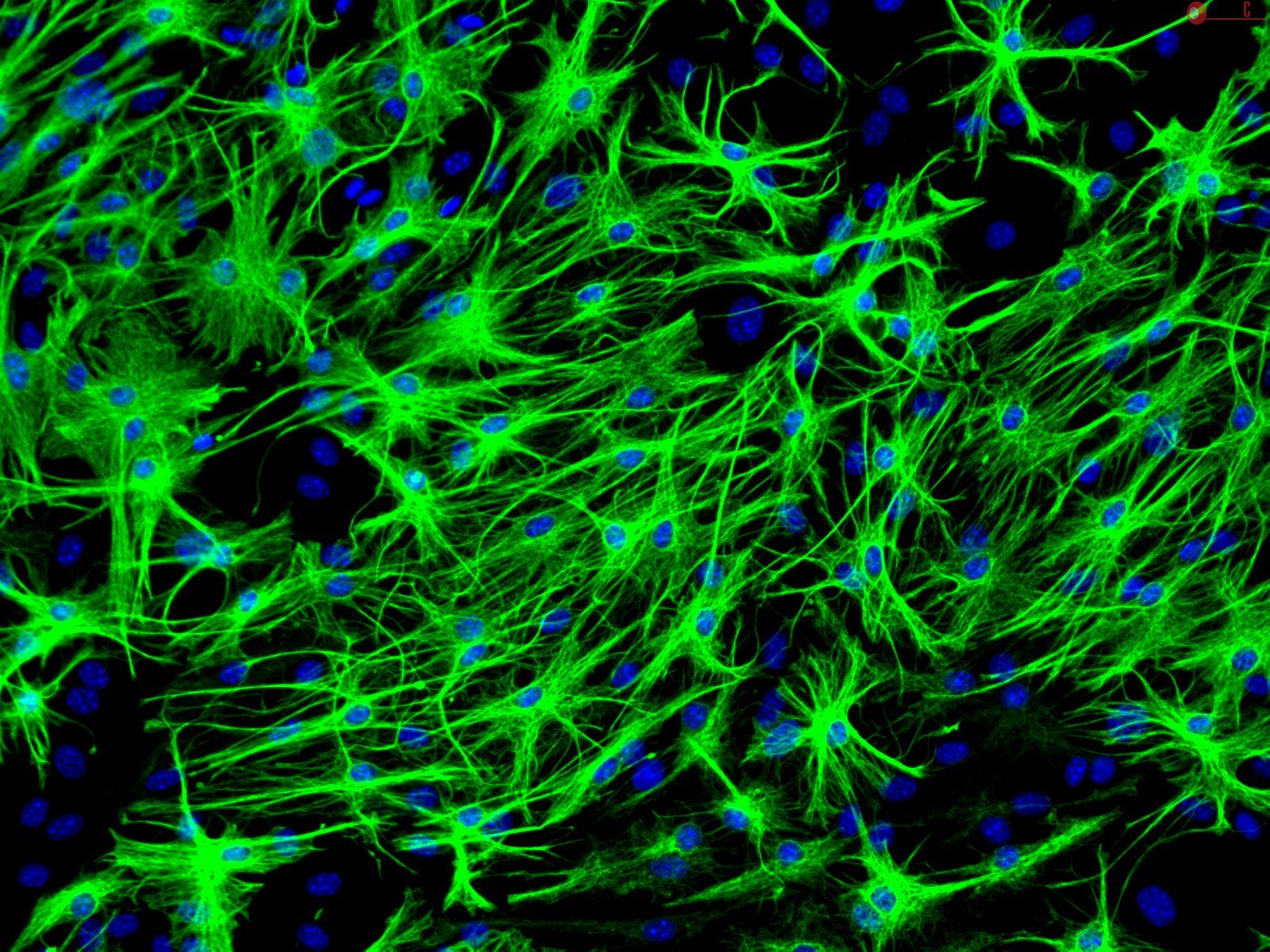
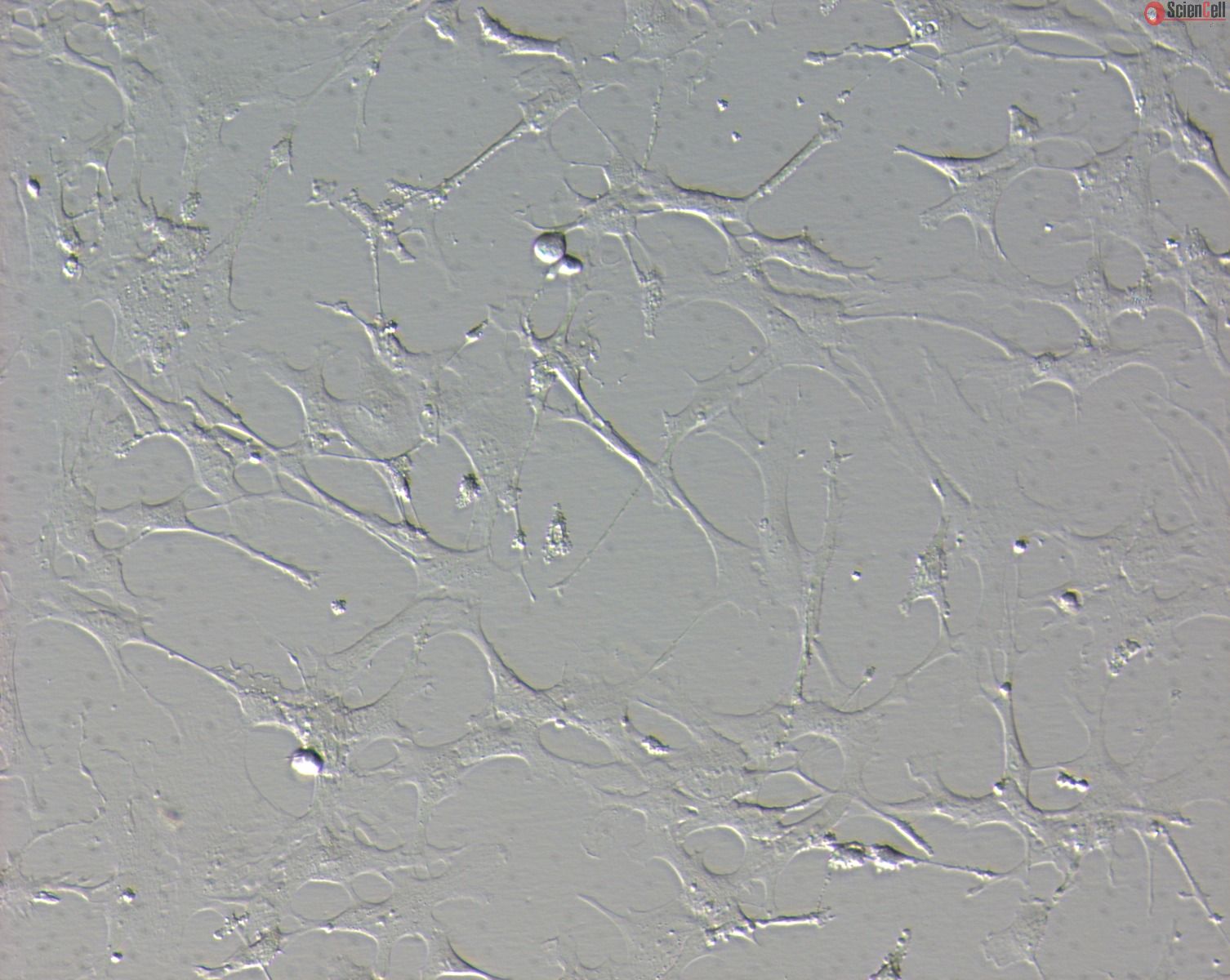
Mouse Astrocytes-spinal cord from C57BL/6
Formerly known as Catalog #M1830-57
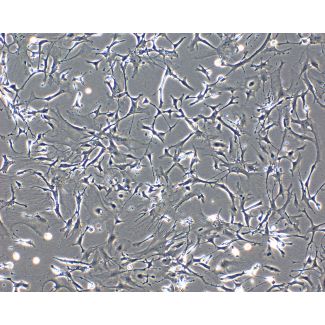
Isolated from embryonic day 14 C57BL/6 mouse spinal cord. Mouse Astrocytes-spinal cord from C57BL/6 (MA-sc) are cryopreserved at P0 and delivered frozen. Each vial contains >5 x 10⁵ cells in 1 ml volume.
Astrocytes are the major cell type in the mammalian brain. They have been implicated in a variety of supportive functions for their partner neurons in the central nervous system, such as neuronal guidance during development, ion and water homeostasis, blood flow regulation, neurotransmission, energy metabolism, and immune defense. Recent studies have shown that spinal cord astrocytes contribute to neuroinflammation by chemokine expression, which leads to the recruitment of “inflammatory” monocytes and neutrophils to the lesion site. Experimentally, spinal cord astrocytes have also been used to study the wobbler mutation and astrogliosis. As the importance of astrocyte function in the nervous system becomes more recognized, particularly in regards to the modulation of neural activity, astrocyte cultures will provide a useful tool for exploring the diverse properties and functions of these cells.
MA-sc from ScienCell Research Laboratories are isolated from embryonic day 14 C57BL/6 mouse spinal cord. MA-sc are cryopreserved at P0 and delivered frozen. Each vial contains >5 x 10⁵ cells in 1 ml volume. MA-sc are characterized by immunofluorescence with antibody specific to GFAP. MA-sc are negative for mycoplasma, bacteria, yeast, and fungi. MA-sc are guaranteed to further expand for 5 population doublings under the condition provided by ScienCell Research Laboratories.
Recommended Medium
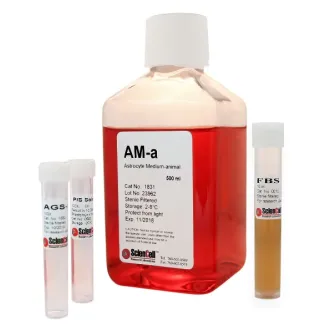
It is recommended to use Astrocyte Medium-animal (AM-a, Cat. #1831) for culturing MA-sc in vitro.
| Catalog No. | M1880-57 |
|---|---|
| Country of Manufacture | United States |
| Product Code | MA-sc |
| Size/Quantity | 5 x 10^5 cells/vial |
| Product use | This product is for research use only. It is not approved for use in humans, animals, or in vitro diagnostic procedures. |
| Storage | Transfer cells directly and immediately from dry ice to liquid nitrogen upon receiving and keep the cells in liquid nitrogen until cell culture is needed for experiments. |
| Shipping | Dry ice. |
Product Sheets

Search for a Certificate of Analysis by Lot Number below:
Find answers to common questions about ScienCell products, cell culture, handling, and research applications.
No Publication available at this time.
,-1-mg-ml--2.jpg)