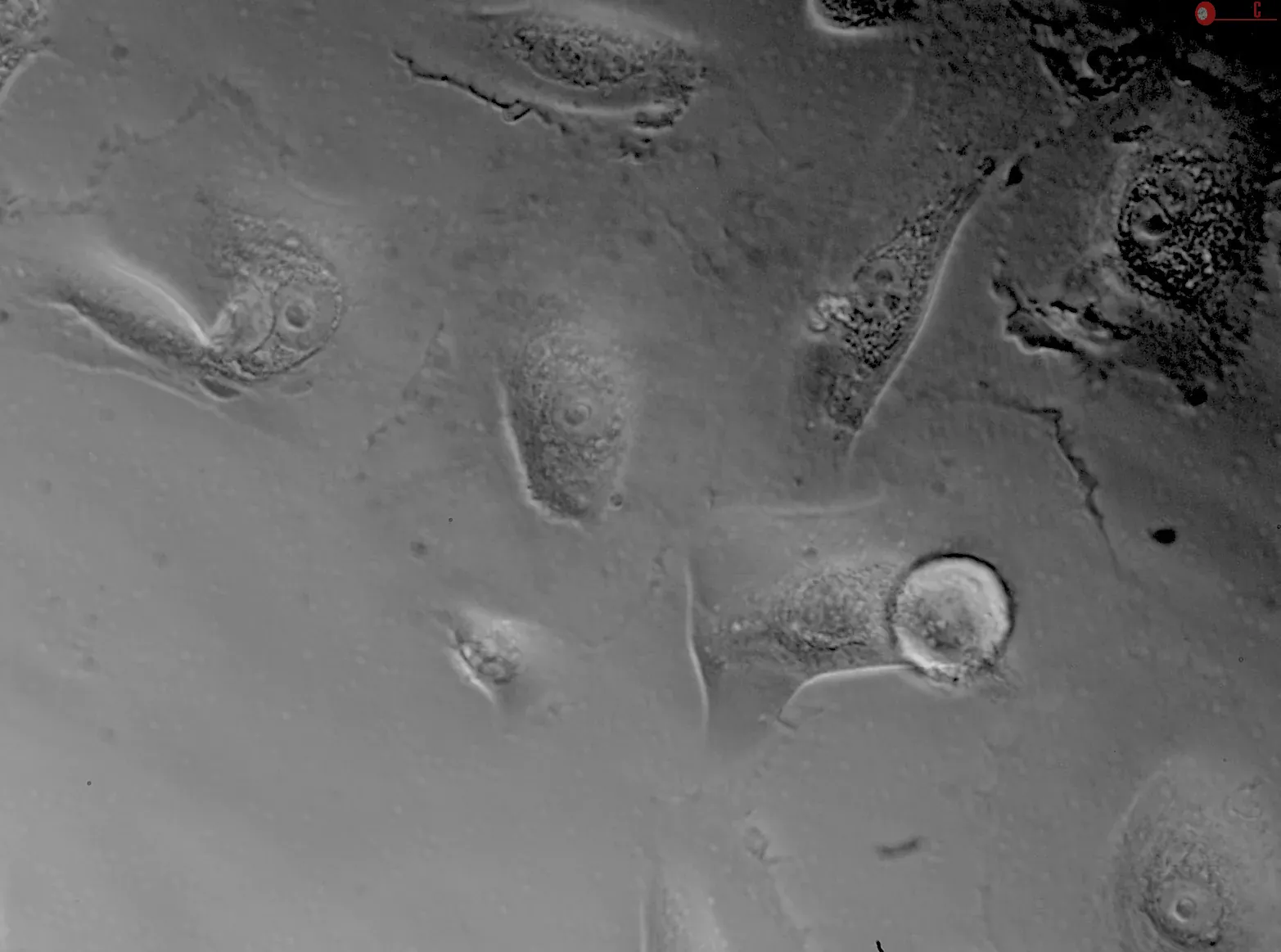
Human Thymic Epithelial Cells
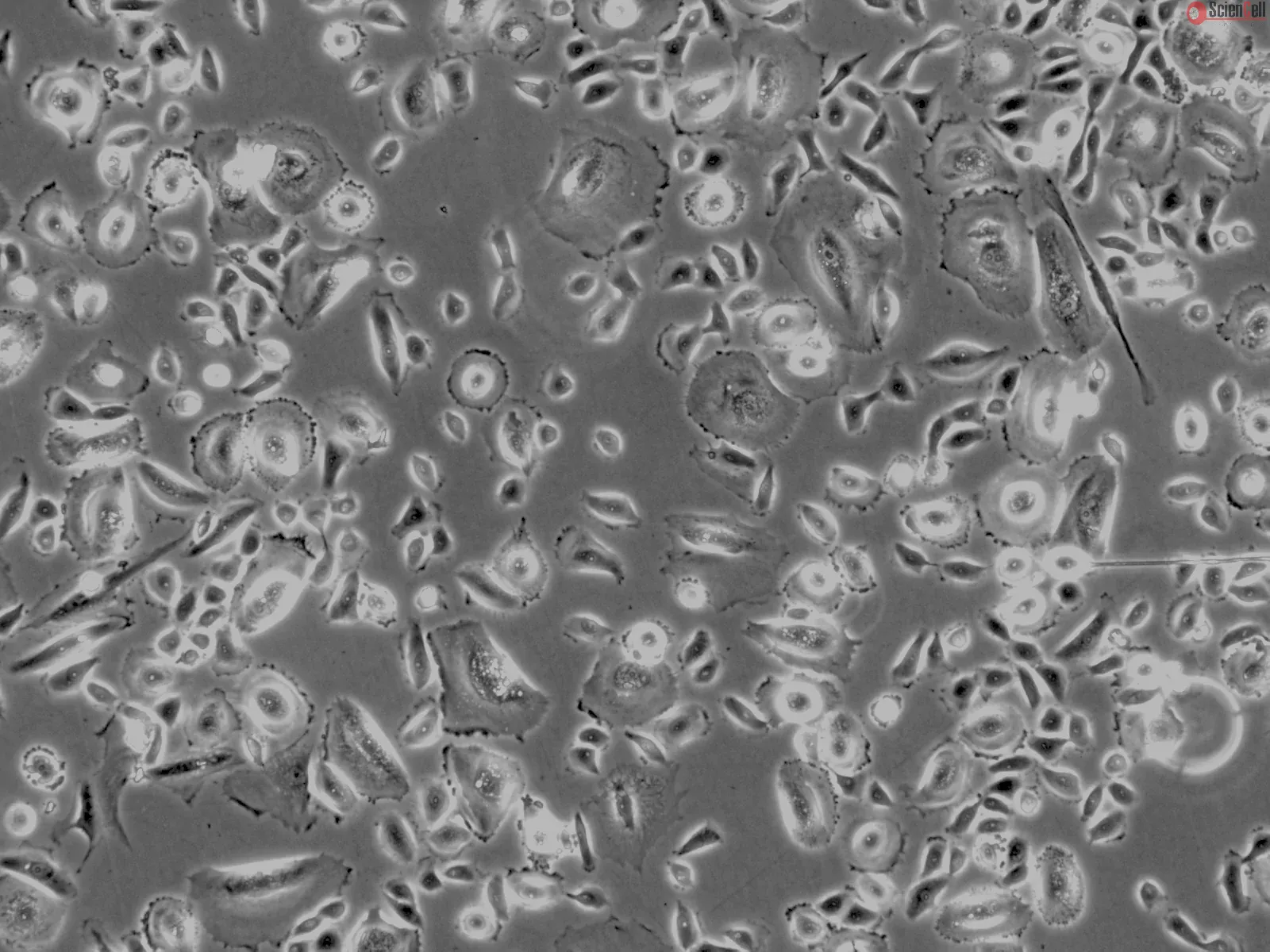
Isolated from human thymus. HTyEpiC are cryopreserved at passage one and delivered frozen. Each vial contains >5 x 10⁵ cells in 1 ml volume.
Thymic epithelial cells (TyEpiC) are vital regulators of thymocyte development and T lymphocyte (T-cell) tolerance. The thymus contains two types of TyEpiC, cortical and medullary thymic epithelial cells, which regulate the positive selection of thymocytes and the negative selection of autoreactive T-cells. The inability of TyEpiC to remove autoreactive Tcells in the thymus can affect self-tolerance and contribute to the development of autoimmune diseases such as myasthenia gravis, type 1 diabetes, rheumatoid arthritis, and multiple sclerosis. Studies have shown that changes in the expression of tumor necrosis factor receptor family members and transcription factors Foxn1 and autoimmune regulator (Aire) can alter the thymic microenvironment and self-tolerance. Human TyEpiC are an excellent in vitro model to study the mechanisms that modulate TyEpiC functionality and to develop targeted treatments for autoimmune disorders.
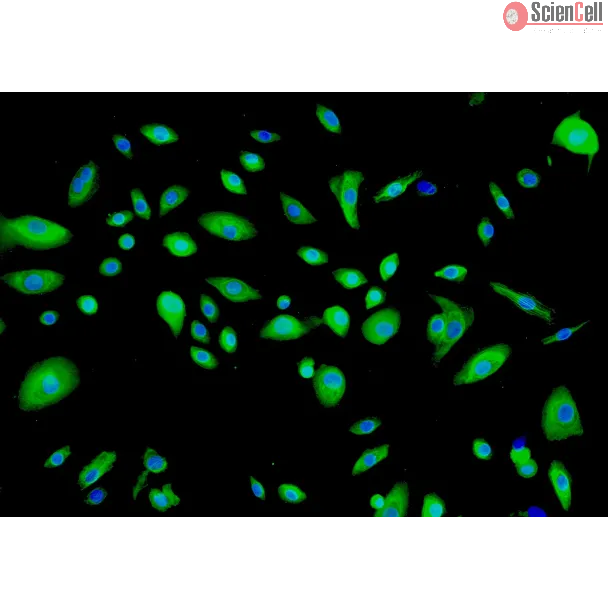
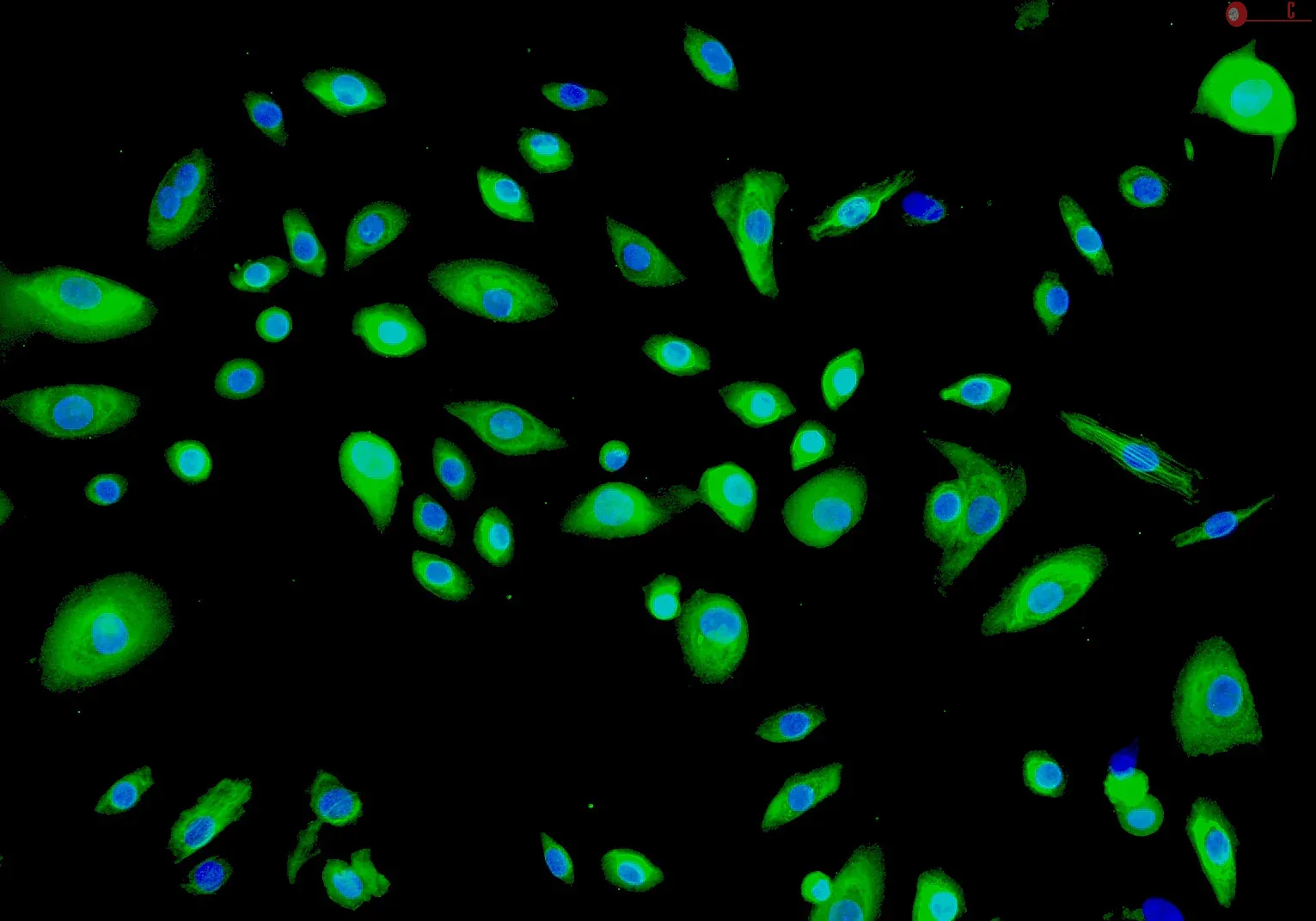
HTyEpiC from ScienCell Research Laboratories are isolated from human thymus. HTyEpiC are cryopreserved at passage one and delivered frozen. Each vial contains >5 x 10⁵ cells in 1 ml volume. HTyEpiC are characterized by immunofluorescence with antibodies specific to cytokeratin-18 and/or cytokeratin-19. HTyEpiC are negative for HIV-1, HBV, HCV, mycoplasma, bacteria, yeast and fungi. HTyEpiC are guaranteed to further culture under the conditions provided by ScienCell Research Laboratories; however, HTyEpiC are not recommended for expanding or long-term cultures due to limited expansion capacity.
Recommended Medium
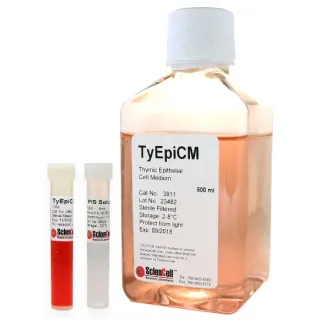
It is recommended to use Thymic Epithelial Cell Medium (TyEpiCM, Cat. #3911) for culturing HTyEpiC in vitro.
| Catalog No. | 3910 |
|---|---|
| Country of Manufacture | United States |
| Product Code | HTyEpiC |
| Size/Quantity | 5 x 10^5 cells/vial |
| Product use | This product is for research use only. It is not approved for use in humans, animals, or in vitro diagnostic procedures. |
| Storage | Upon receiving, directly and immediately transfer the cells from dry ice to liquid nitrogen and keep the cells in liquid nitrogen until they are needed for experiments. |
| Shipping | Dry ice. |
Product Sheets

Search for a Certificate of Analysis by Lot Number below:
Find answers to common questions about ScienCell products, cell culture, handling, and research applications.
No Publication available at this time.
,-1-mg-ml--2.jpg)