Human Splenic Endothelial Cells
Isolated from human spleen. Human Splenic Endothelial Cells (HSEC) are cryopreserved at passage one and delivered frozen. Each vial contains >5 x 10⁵ cells in 1 ml volume.
The spleen performs essential functions in the turnover of erythrocytes. It removes erythrocytes, metabolizes hemoglobin, and recycles iron. The spleen also mounts a primary immune response to antigens in the blood and synthesizes antibodies in its white pulp. Human splenic endothelial cells (HSEC), similar to other endothelial cells, constitute the natural interface between the blood and the underlying tissue. Previous studies have demonstrated an intriguing link between splenic endothelial cells, splenic hamartoma and capillary hemangioma. Splenic endothelial cells have also shown a supportive micro-environment for the development of dendritic cells. Furthermore, rapid destruction of young erythrocytes can occur in the spleen due to altered endothelial cell-macrophage interactions. These observations suggest that splenic endothelial cells may play a more compelling role in the mononuclear phagocyte system.
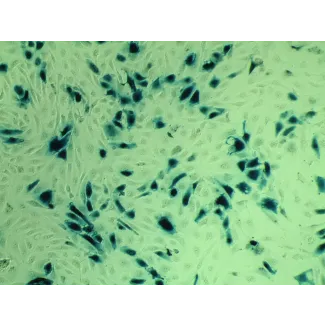
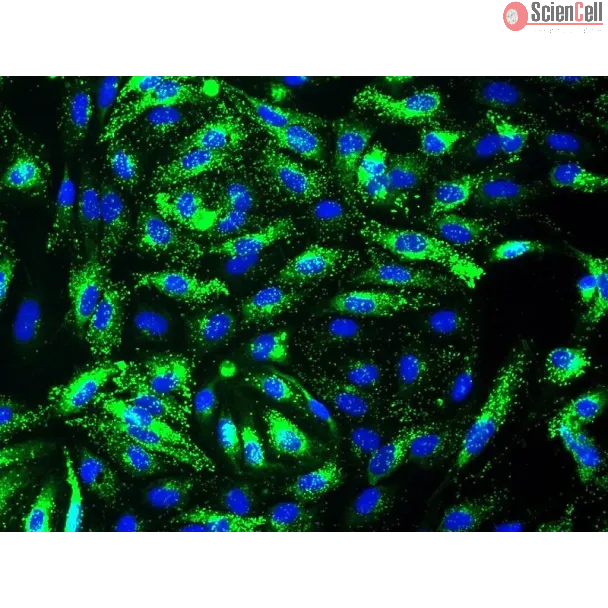
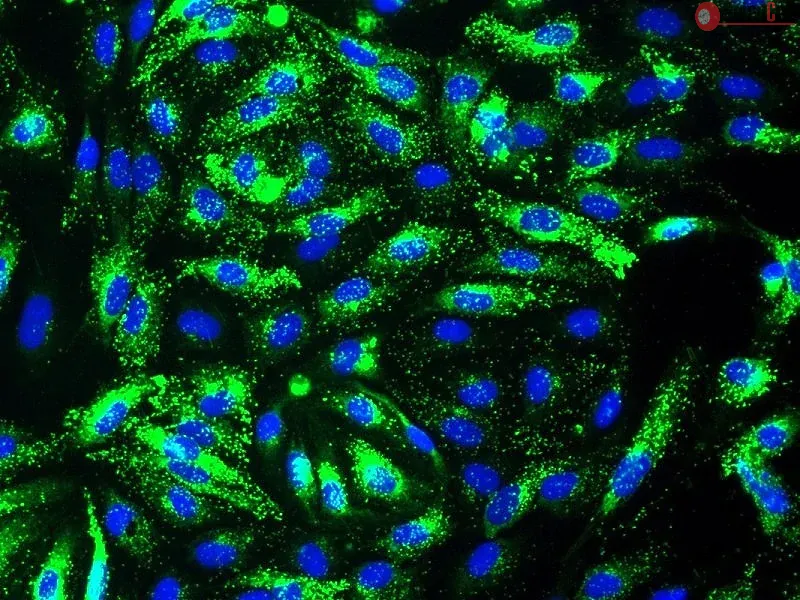
HSEC from ScienCell Research Laboratories are isolated from human spleen. HSEC are cryopreserved at passage one and delivered frozen. Each vial contains >5 x 10⁵ cells in 1 ml volume. HSEC are characterized by immunofluorescence with antibodies specific to VWF/Factor VIII and/or CD31 (PECAM1). HSEC are negative for HIV-1, HBV, HCV, mycoplasma, bacteria, yeast and fungi. HSEC are guaranteed to further expand for 15 population doublings under the conditions provided by ScienCell Research Laboratories
Recommended Medium
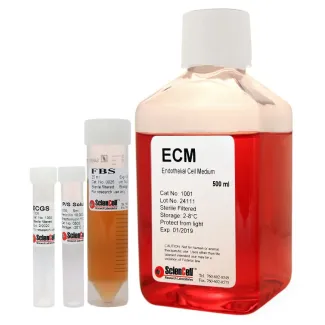
It is recommended to use Endothelial Cell Medium (ECM, Cat. #1001) for culturing HSEC in vitro.
| Catalog No. | 5500 |
|---|---|
| Country of Manufacture | United States |
| Product Code | HSEC |
| Size/Quantity | 5 x 10^5 cells/vial. |
| Product use | HSEC are for research use only. They are not approved for human or animal use, or for application in in vitro diagnostic procedures. |
| Storage | Upon receiving, directly and immediately transfer the cells from dry ice to liquid nitrogen and keep the cells in liquid nitrogen until they are needed for experiments. |
| Shipping | Dry ice. |
Product Sheets

Search for a Certificate of Analysis by Lot Number below:
Find answers to common questions about ScienCell products, cell culture, handling, and research applications.
No Publication available at this time.