

Human Rectal Fibroblasts
Isolated from human rectum. HRecF are cryopreserved at passage one and delivered frozen. Each vial contains >5 x 10⁵ cells in 1 ml volume. It is recommended to use Fibroblast Medium (FM, Cat. #2301) for culturing HRecF in vitro.
The human rectum is located in the lower gastrointestinal tract and functions as a temporary storage site for fecal material. Rectal fibroblasts are important structural components of the rectum and are implicated in a number of diseases including ulcerative colitis, Crohn’s disease, and rectal cancer. Fibroblasts are mesenchymal cells derived from the embryonic mesoderm. The main functions of fibroblasts are to maintain the structural integrity of connective tissue and to aid in tissue repair and remodeling. Studies have shown that functional changes to human rectal fibroblasts (HRecF) can impair wound healing and affect epithelial cell proliferation in ulcerative colitis patients. In Crohn’s disease, HRecF respond to intestinal inflammation by proliferating abnormally, which leads to fibrotic scarring. Primary HRecF can be used to study the pathophysiology of rectal cancer, ulcerative colitis, and Crohn’s disease and to help develop therapies for these diseases.
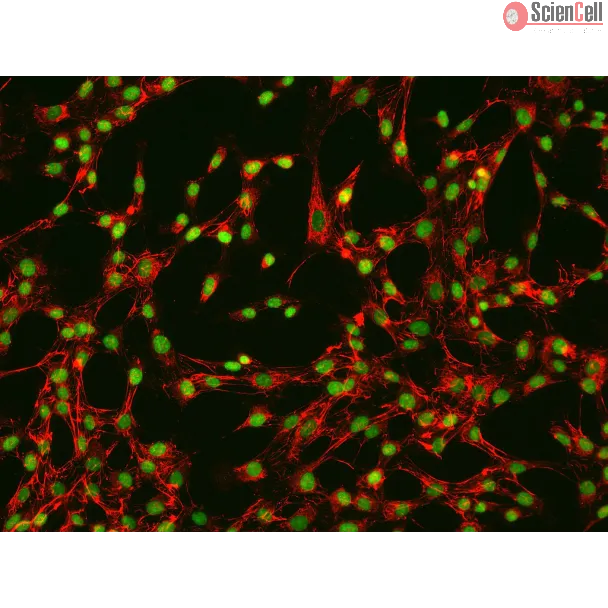
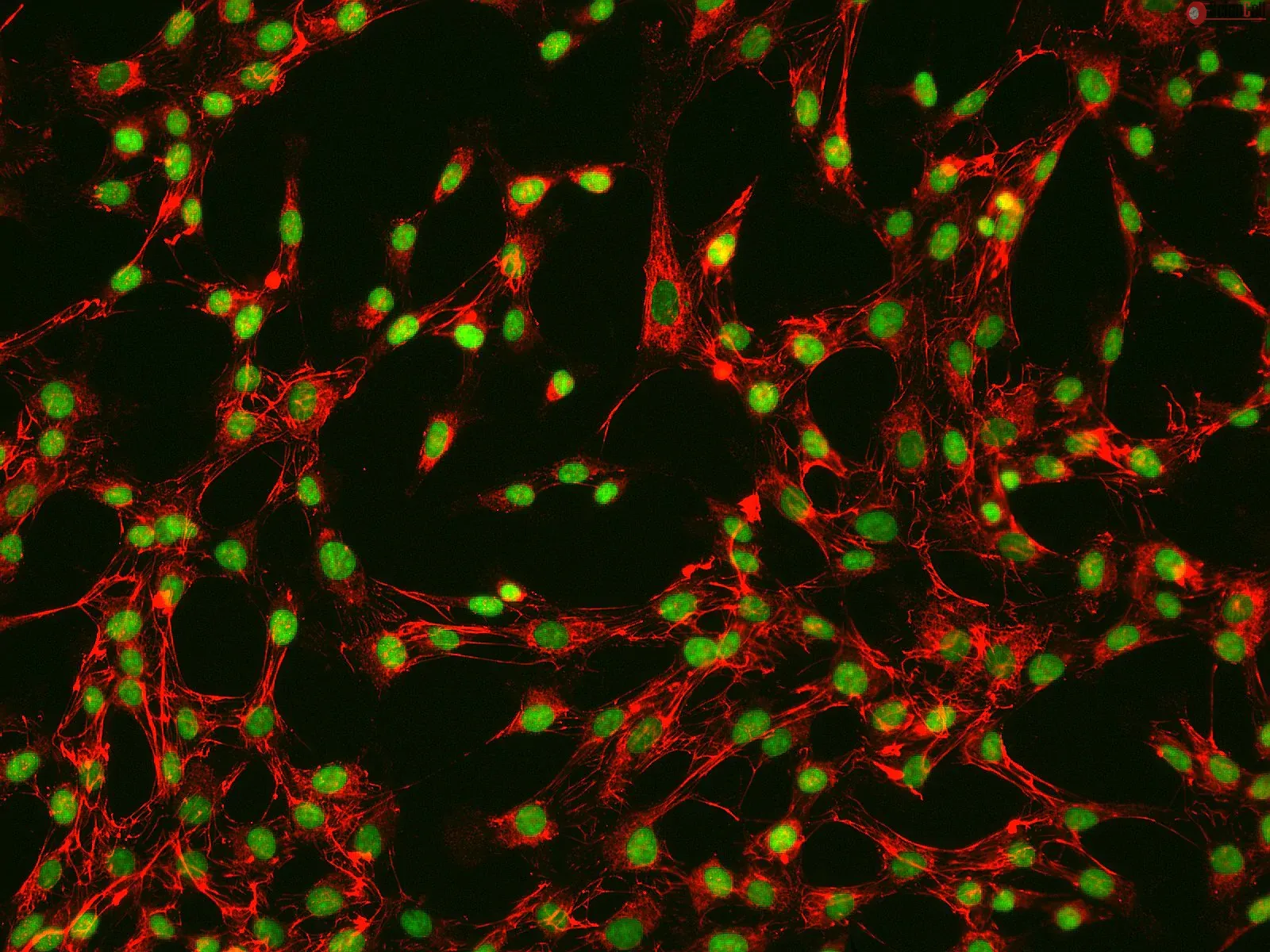
HRecF from ScienCell Research Laboratories are isolated from human rectum. HRecF are cryopreserved at passage one and delivered frozen. Each vial contains >5 x 10⁵ cells in 1 ml volume. HRecF are characterized by immunofluorescence with antibody specific to fibronectin. HRecF are negative for mycoplasma, bacteria, yeast, and fungi. HRecF are guaranteed to further expand for 15 population doublings under the conditions provided by ScienCell Research Laboratories.
Recommended Medium
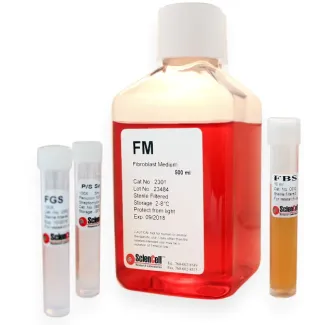
It is recommended to use Fibroblast Medium (FM, Cat. #2301) for culturing HRecF in vitro.
| Catalog No. | 2960 |
|---|---|
| Country of Manufacture | United States |
| Product Code | HRecF |
| Size/Quantity | 5 x 10^5 cells/vial |
| Product use | This product is for research use only. It is not approved for use in humans, animals, or in vitro diagnostic procedures. |
| Storage | Upon receiving, directly and immediately transfer the cells from dry ice to liquid nitrogen and keep the cells in liquid nitrogen until they are needed for experiments |
| Shipping | Dry ice. |
Product Sheets

Search for a Certificate of Analysis by Lot Number below:
Find answers to common questions about ScienCell products, cell culture, handling, and research applications.
No Publication available at this time.
,-1-mg-ml--2.jpg)