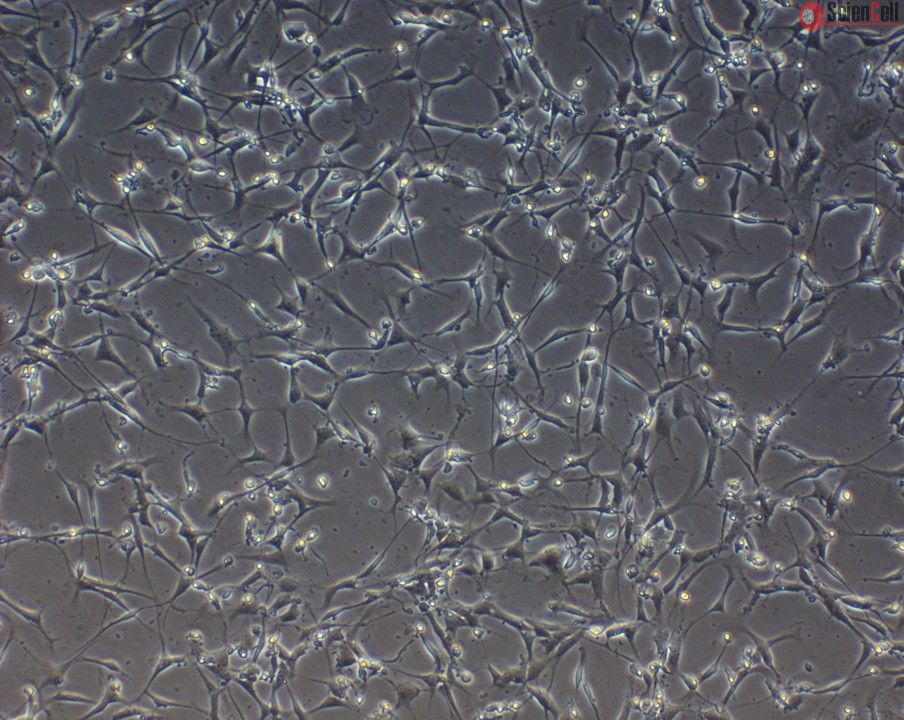
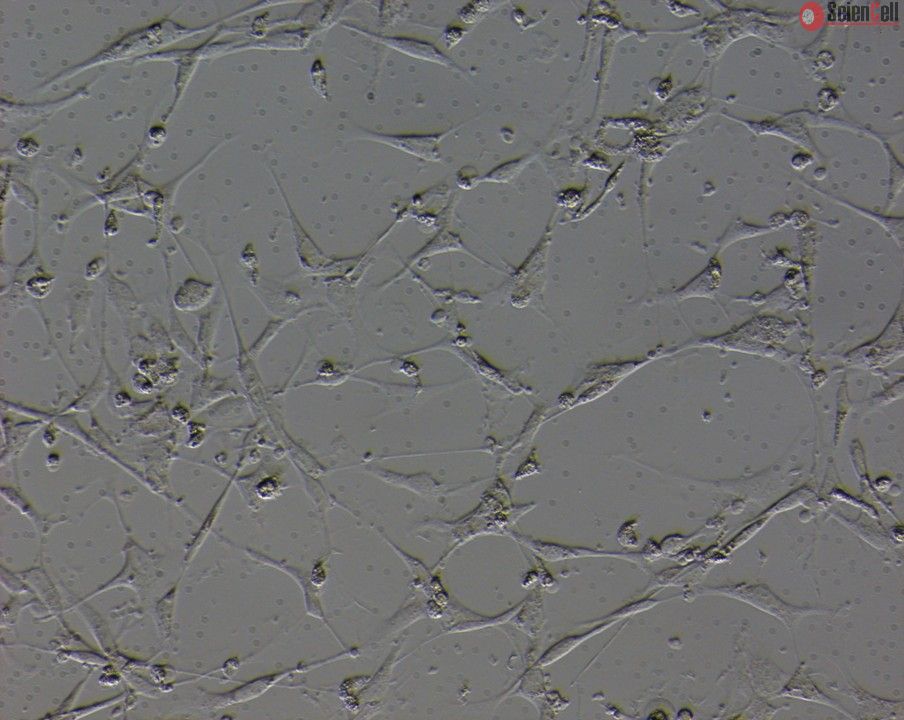
Human Pluripotent Stem Cell Derived - Schwann Cells
Related Promotion:

*Sale on select products
*Mention code in order page - Discount applied to invoice
Schwann cells are the principal glial cells of the peripheral nervous system and play essential roles in peripheral nerve development, axonal support, myelination, nerve regeneration, and maintenance of neuromuscular and sensory nerve function. Schwann cells interact closely with peripheral axons and contribute to axonal survival, conduction velocity, extracellular matrix organization, and repair after nerve injury. Dysfunction of Schwann cells is associated with peripheral neuropathies, demyelinating disorders, nerve injury, and neurodegenerative disease-related peripheral nervous system pathology. Human pluripotent stem cell-derived Schwann cells provide a valuable in vitro model for studying peripheral glial biology, axon-glia interaction, myelination, peripheral neuropathy, nerve injury repair, and drug discovery. Human Pluripotent Stem Cell-derived Schwann Cells (HPSC-SC) from ScienCell Research Laboratories provide a robust, reliable, and consistent off-the-shelf option for human Schwann cell research.
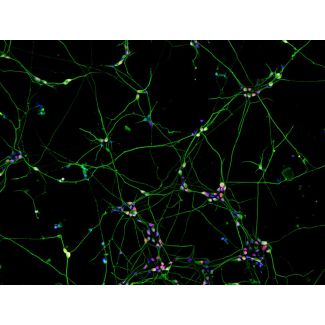
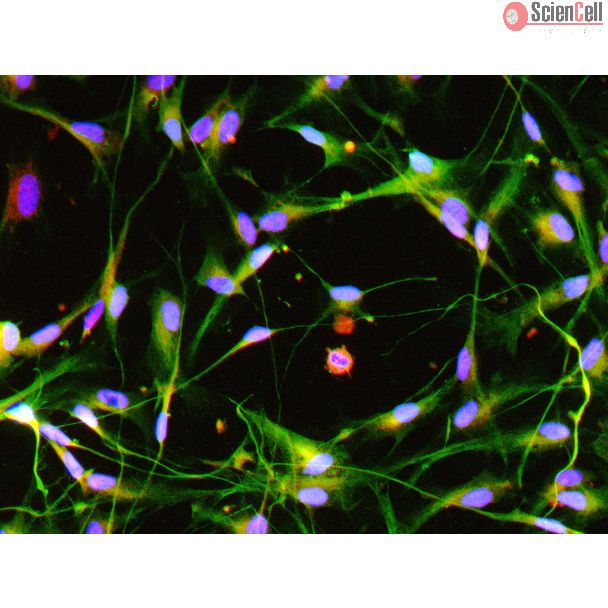
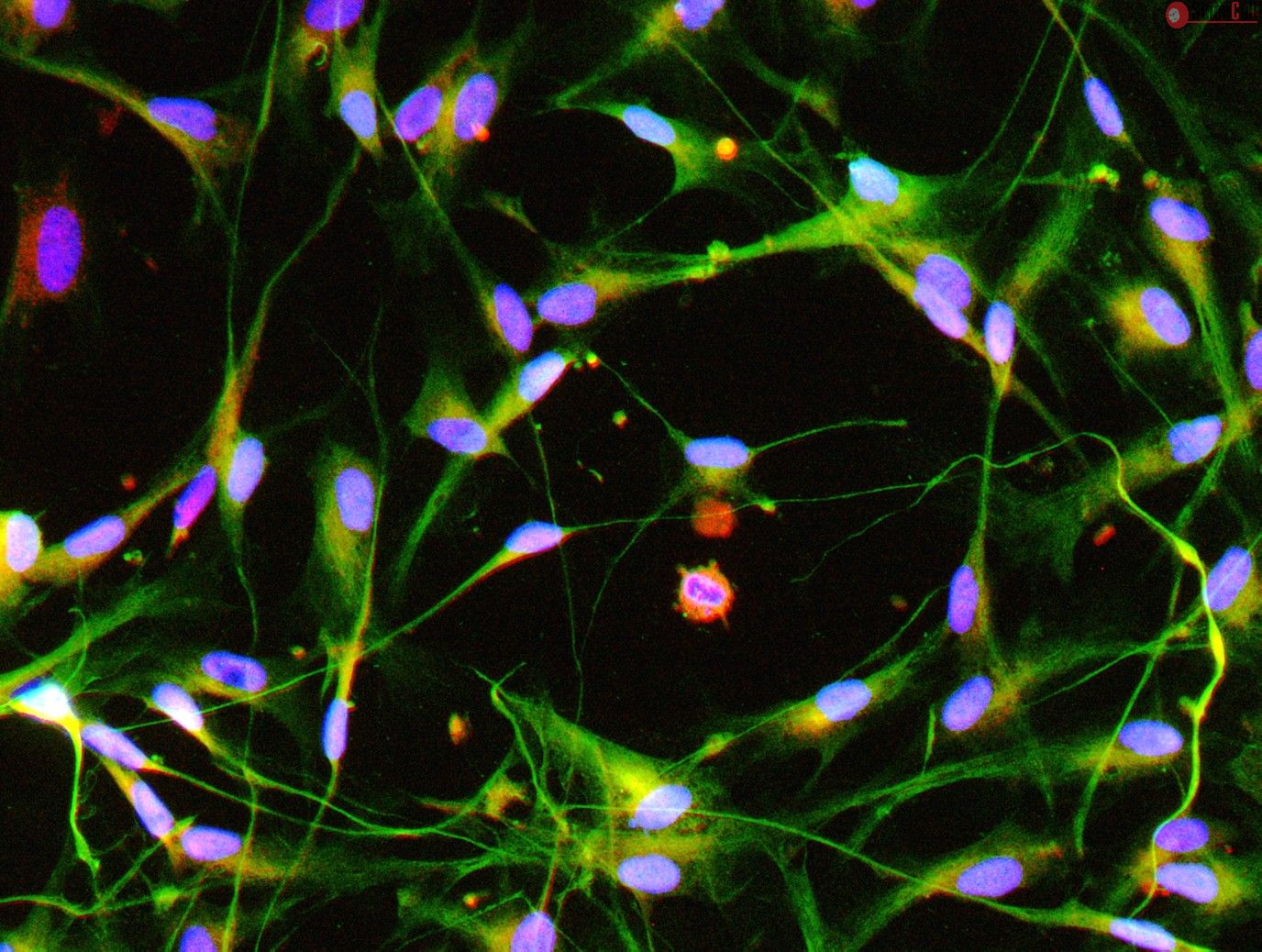
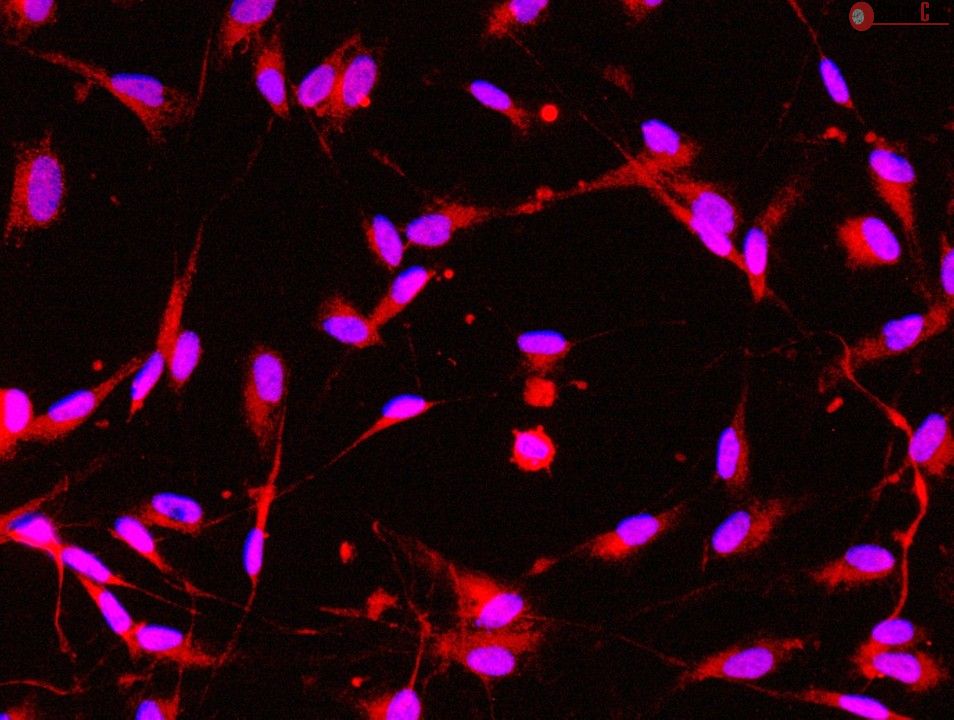
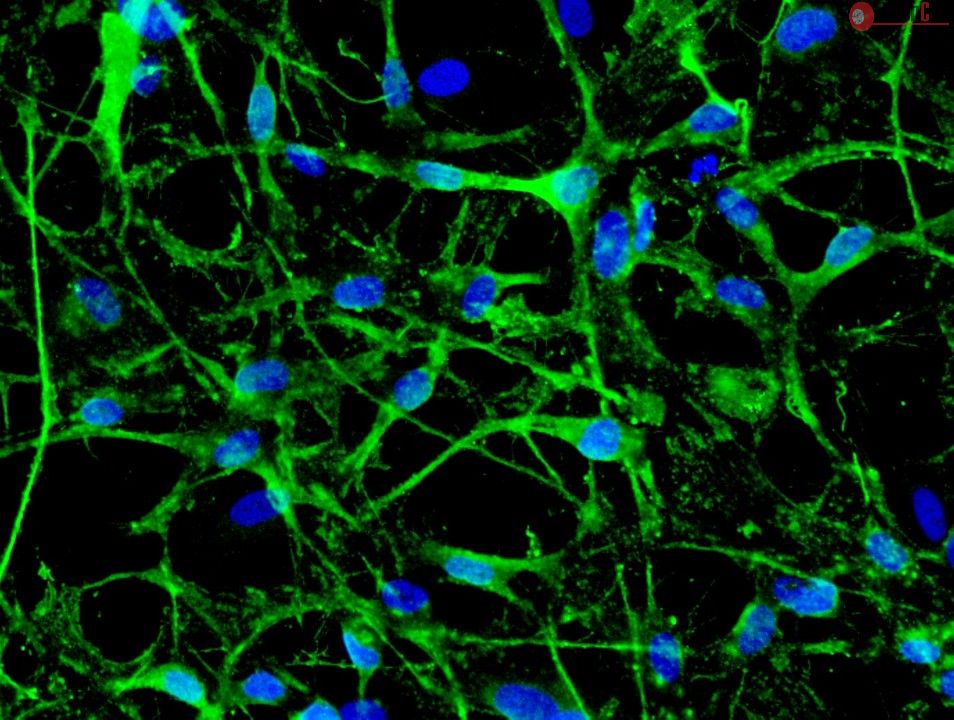
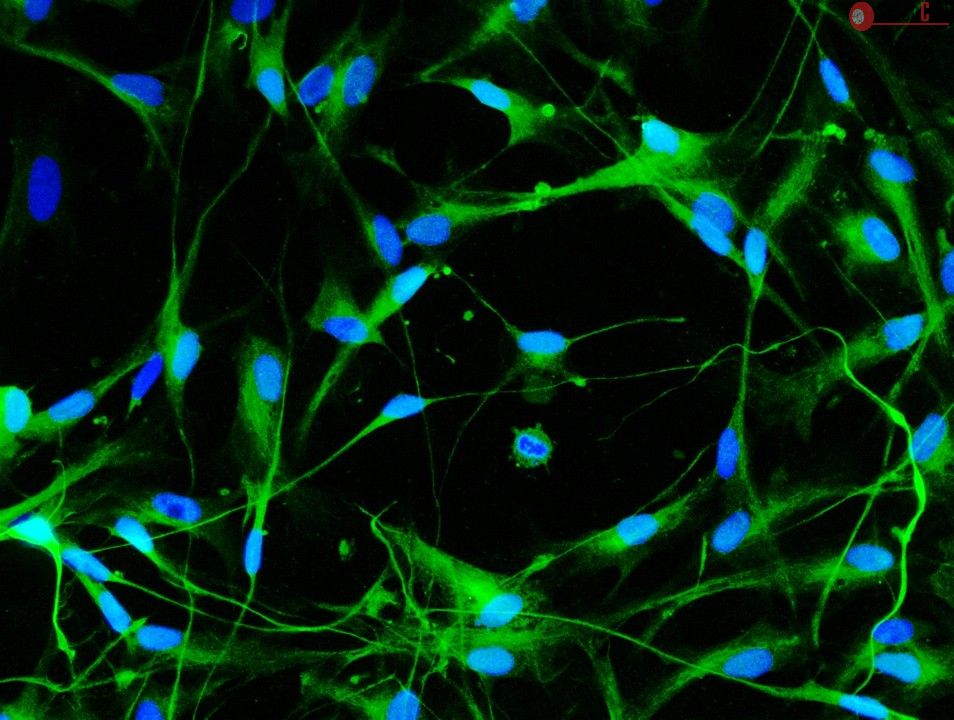
HPSC-SC are cryopreserved and delivered frozen. Each vial contains > 1 × 10⁶ cells in 1 ml volume. HPSC-SC are characterized by immunofluorescence with antibodies specific to Schwann cell markers S100β, p75 neurotrophin receptor (p75NTR), and glial fibrillary acidic protein (GFAP). HPSC-SC are negative for mycoplasma, bacteria, yeast, and fungi. HPSC-SC can be cultured under the conditions provided by ScienCell Research Laboratories.
| Catalog No. | 1730 |
|---|---|
| Country of Manufacture | United States |
| Product Code | HPSC-SC |
| Size/Quantity | 1 kit |
| Product use | This product is for research use only. It is not approved for human or animal use, or for application in in vitro diagnostic procedures. |
| Storage | Upon receiving, directly and immediately transfer the cells from dry ice to liquid nitrogen and keep the cells in liquid nitrogen until they are needed for experiments. |
| Shipping | Dry ice. |
Product Sheets

Search for a Certificate of Analysis by Lot Number below:
Find answers to common questions about ScienCell products, cell culture, handling, and research applications.
No Publication available at this time.