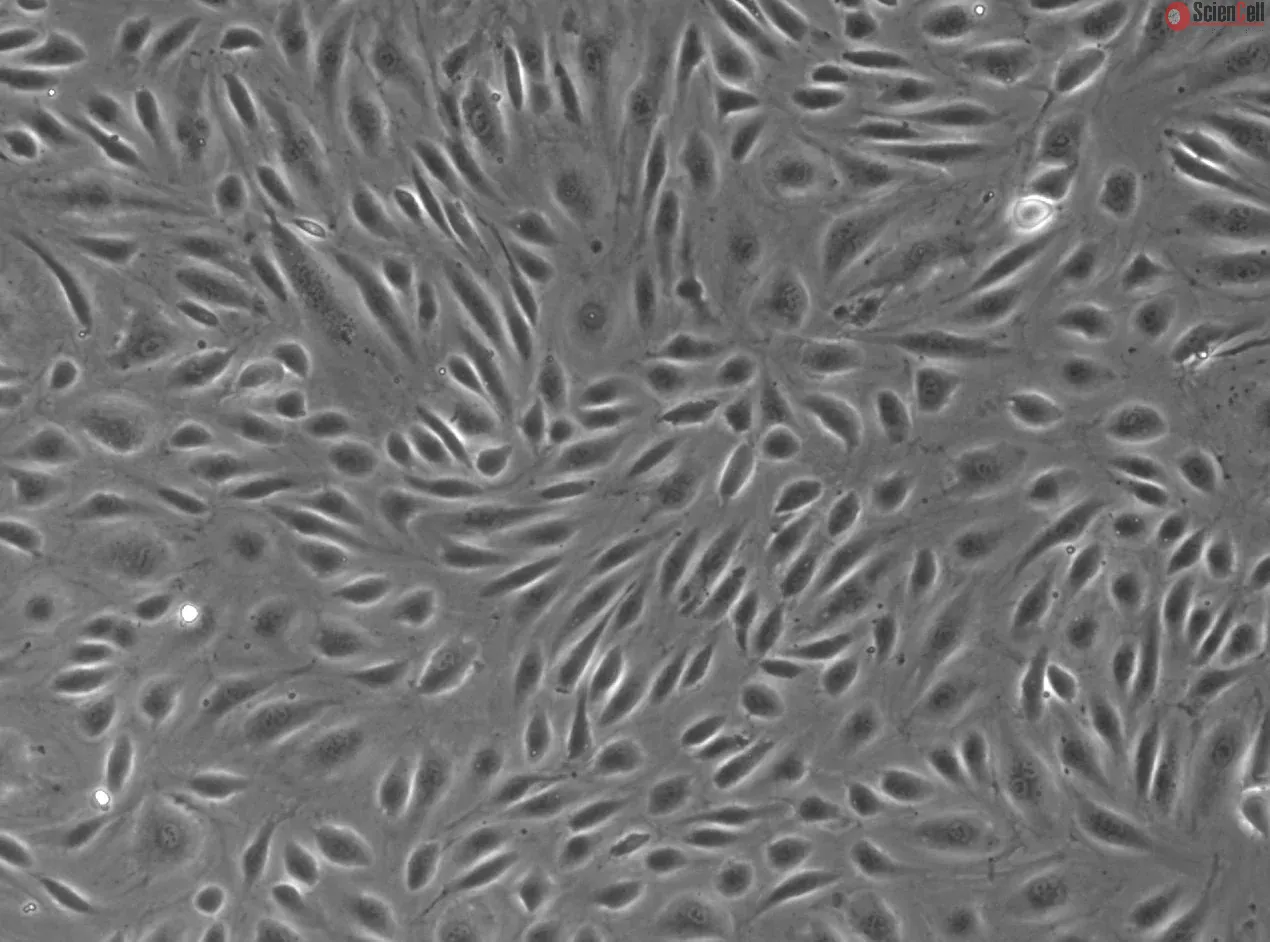
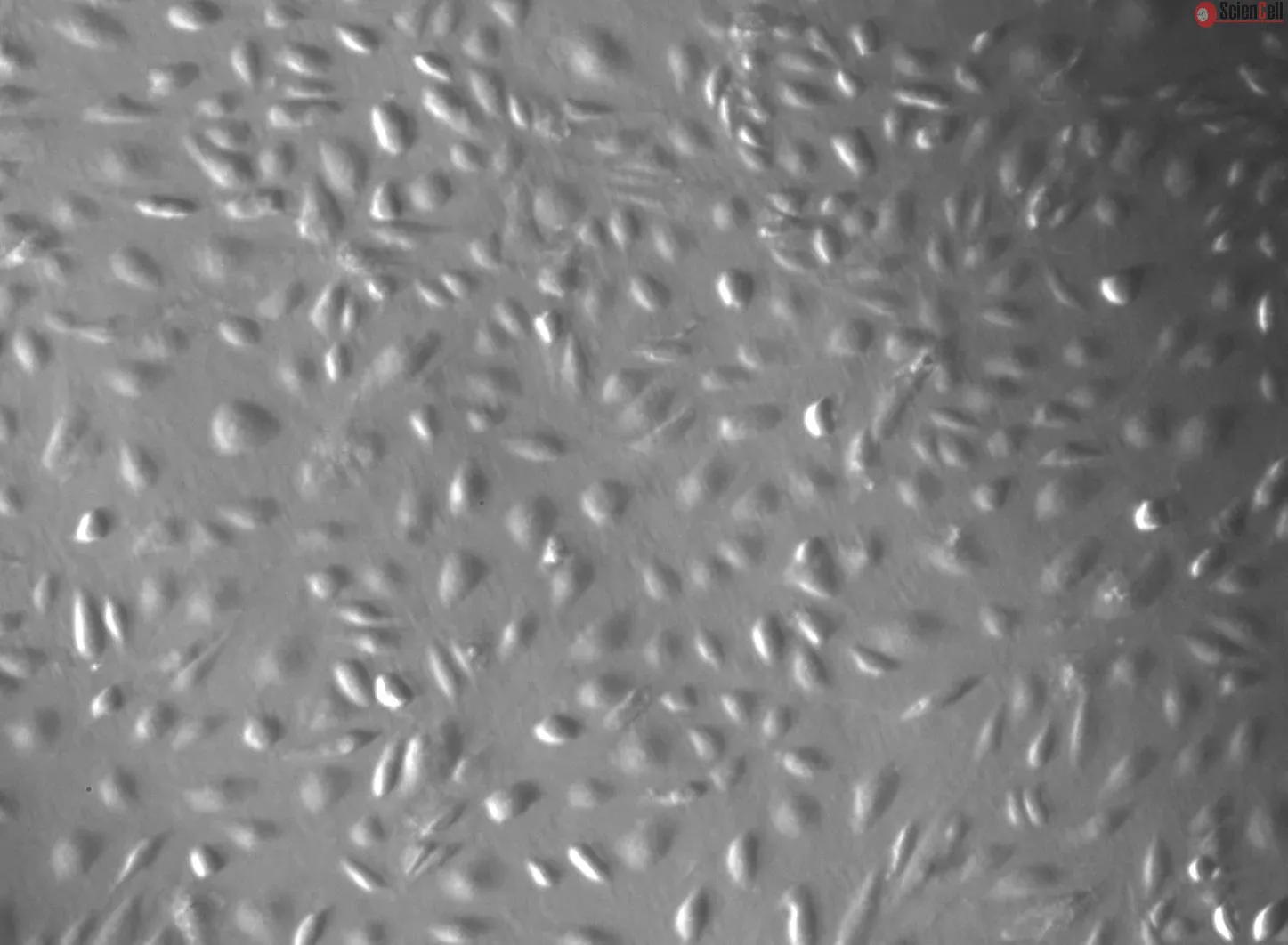
Human Placental Vascular Endothelial Cells
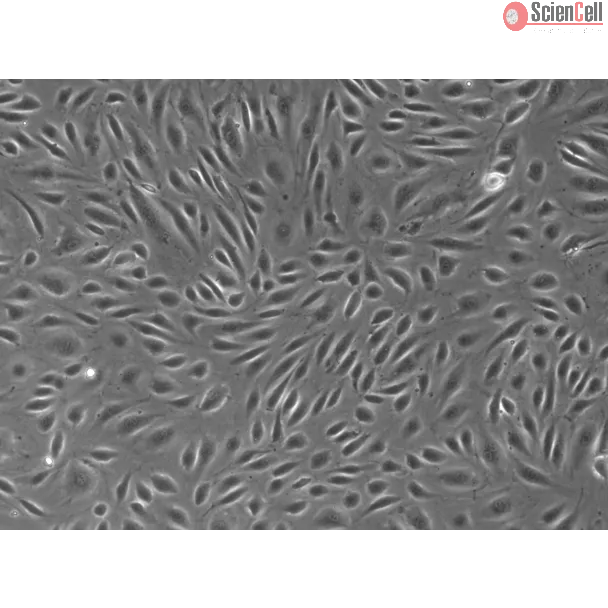
Isolated from human placenta. HPVEC are cryopreserved at passage one and delivered frozen. Each vial contains >5 x 10⁵ cells in 1 ml volume.
The human placenta is a well vascularized organ that plays an essential role in fetal development by providing nutrients to the fetus, producing pregnancy hormones, excreting waste, and protecting the fetus from harmful substances. The placenta is comprised of an extensive vascular network that when fully developed covers a surface area of 15m2. During pregnancy, the placental vasculature undergoes widespread remodeling, in part due to endothelial cell proliferation and elongation. Vascular defects due to endothelial cell dysfunction in the placenta can contribute to the development of disorders such as placental insufficiency, intrauterine growth restriction, and pre-eclampsia. Human Placental Vascular Endothelial Cells (HPVEC) are an excellent in vitro model to study vascular defects in the placenta and elucidate the mechanisms of angiogenesis and vasculogenesis.
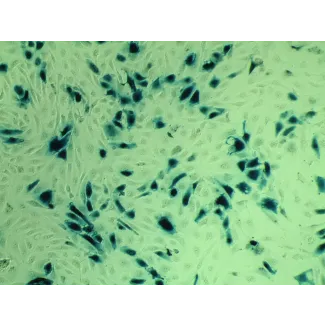
HPVEC from ScienCell Research Laboratories are isolated from human placenta. HPVEC are cryopreserved at passage one and delivered frozen. Each vial contains >5 x 10⁵ cells in 1 ml volume. HPVEC are characterized by immunofluorescence with antibodies specific to vWF/Factor VIII and/or CD31 (PECAM1). HPVEC are negative for HIV-1, HBV, HCV, mycoplasma, bacteria, yeast and fungi. HPVEC are guaranteed to further expand for 10 population doublings under the conditions provided by ScienCell Research Laboratories.
Recommended Medium
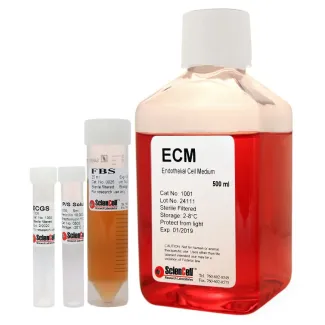
It is recommended to use Endothelial Cell Medium (ECM, Cat. #1001) for culturing HPVEC in vitro.
| Catalog No. | 7100 |
|---|---|
| Country of Manufacture | United States |
| Product Code | HPVEC |
| Size/Quantity | 5 x 10^5 cells/vial |
| Product use | This product is for research use only. It is not approved for use in humans, animals, or in vitro diagnostic procedures. |
| Storage | Upon receiving, directly and immediately transfer the cells from dry ice to liquid nitrogen and keep the cells in liquid nitrogen until they are needed for experiments |
| Shipping | Dry ice. |
Product Sheets

Search for a Certificate of Analysis by Lot Number below:
Find answers to common questions about ScienCell products, cell culture, handling, and research applications.
No Publication available at this time.