
Human Mesenteric Fibroblasts
HMeF from ScienCell Research Laboratories are isolated from human mesentery. HMeF are cryopreserved at passage one and delivered frozen. Each vial contains >5 x 10⁵ cells in 1 ml volume.
The mesentery, recently classified as an organ, plays a vital functional role by securing all digestive organs to the posterior abdominal wall. The mesentery also produces cytokines that direct the migration of cells during development of the enteric nervous system. It also houses adipose stem cells which can cause an inflammatory response in the intestines. Fibroblasts located in the mesentery help to maintain the structural integrity of connective tissue. During wound healing or during tumor development, fibroblasts can become activated and switch to a myofibroblast morphology and synthesize increased levels of extracellular matrix. Fibroblasts have been implicated in mesenteric fibrosis and Crohn’s disease, however, their role in the development and progression of these disease is not well understood. Primary Human Mesenteric Fibroblasts (HMeF) can be used to study the role of the mesentery and fibroblasts in mesenteric fibrosis and Crohn’s disease.
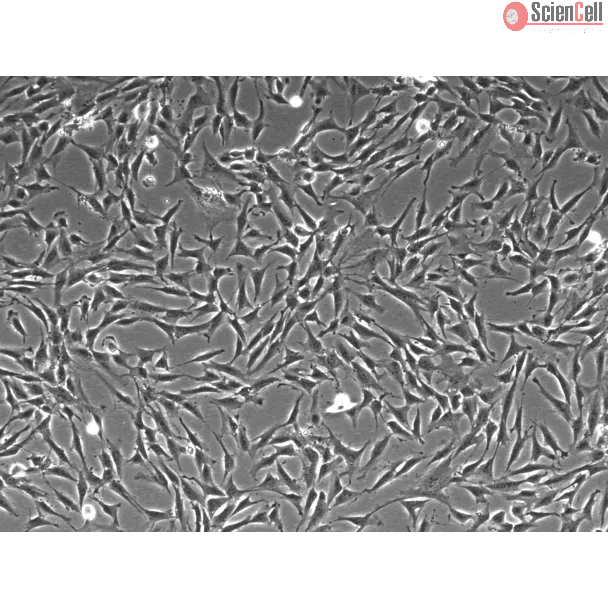
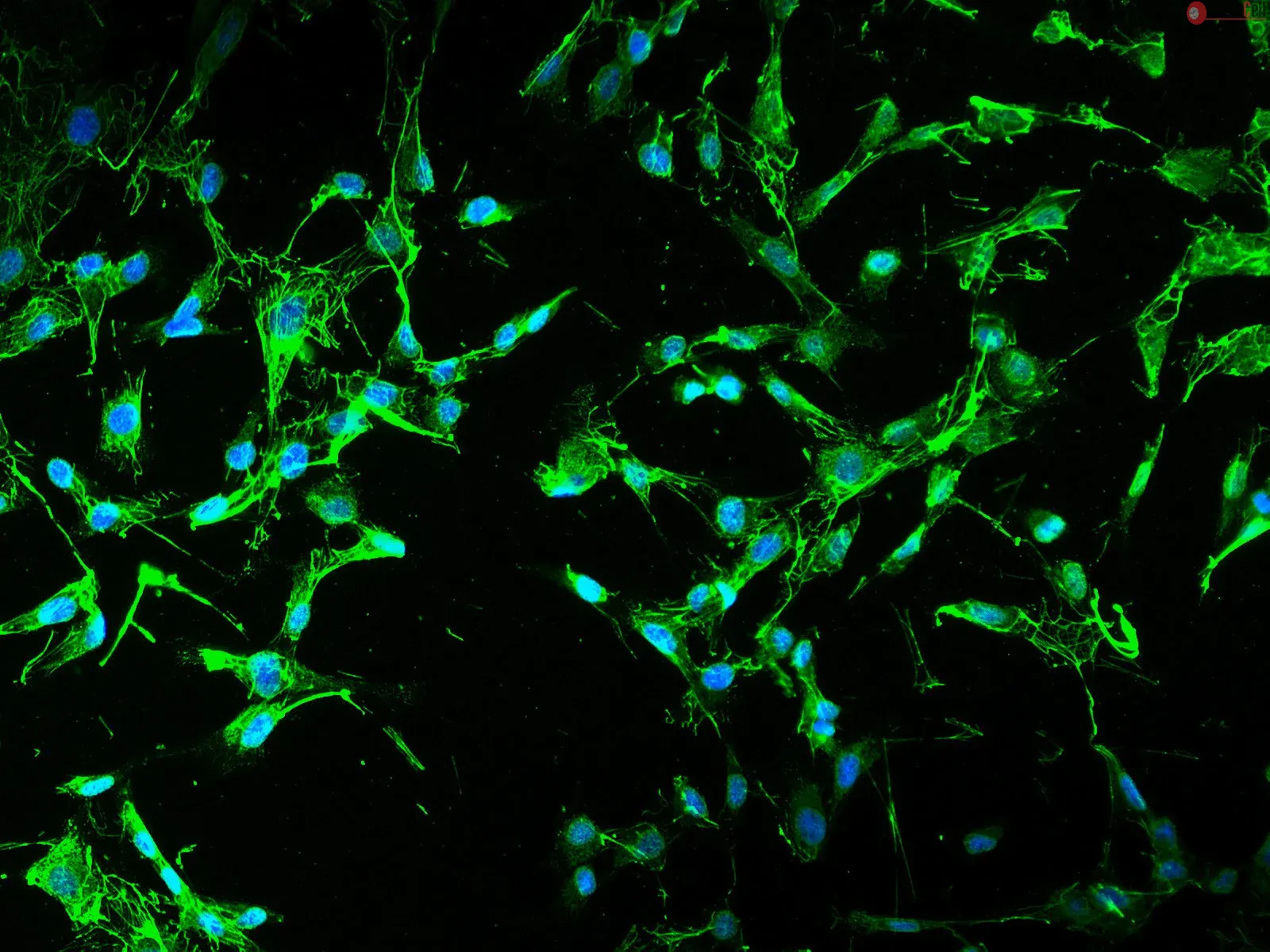
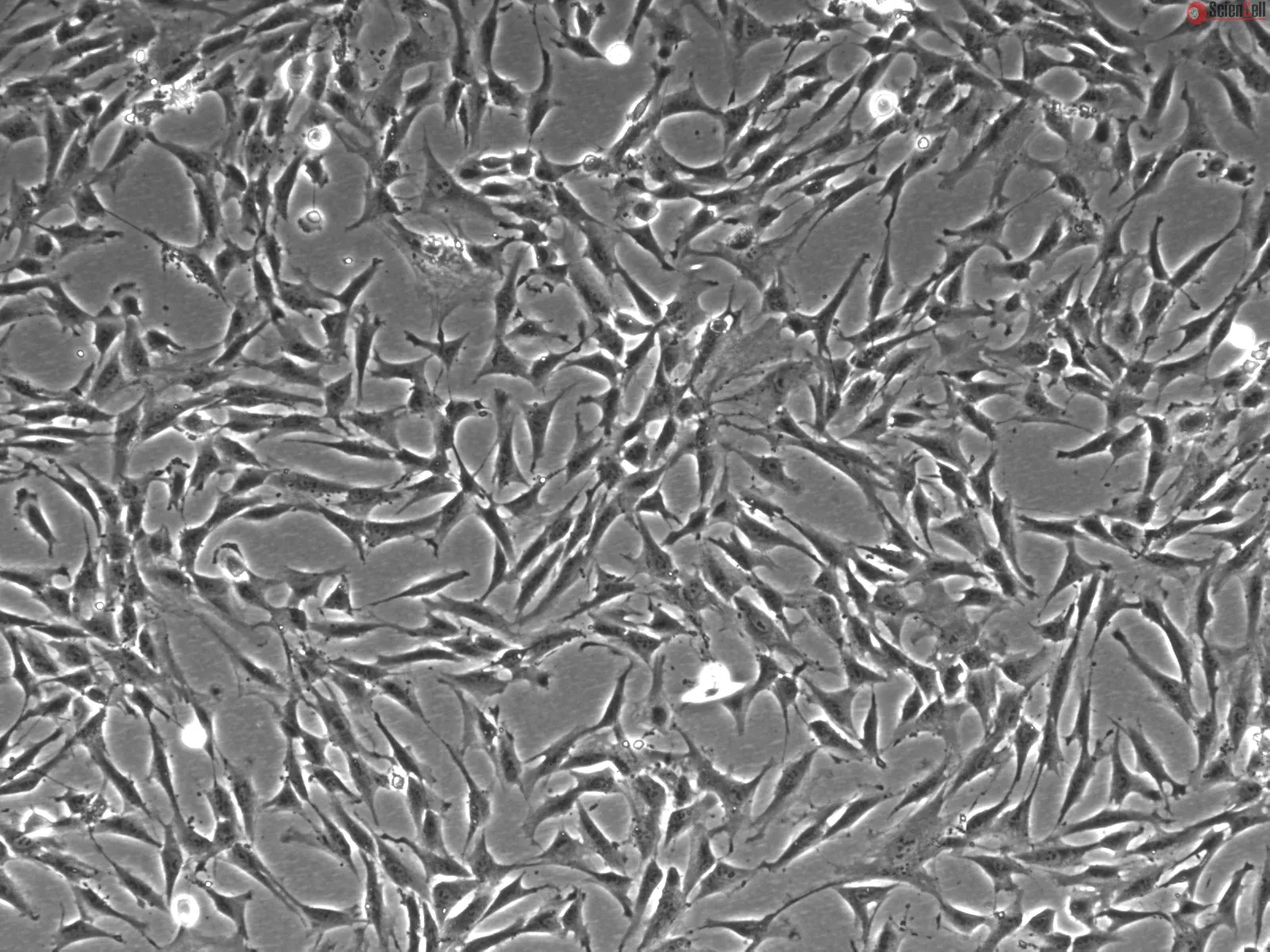
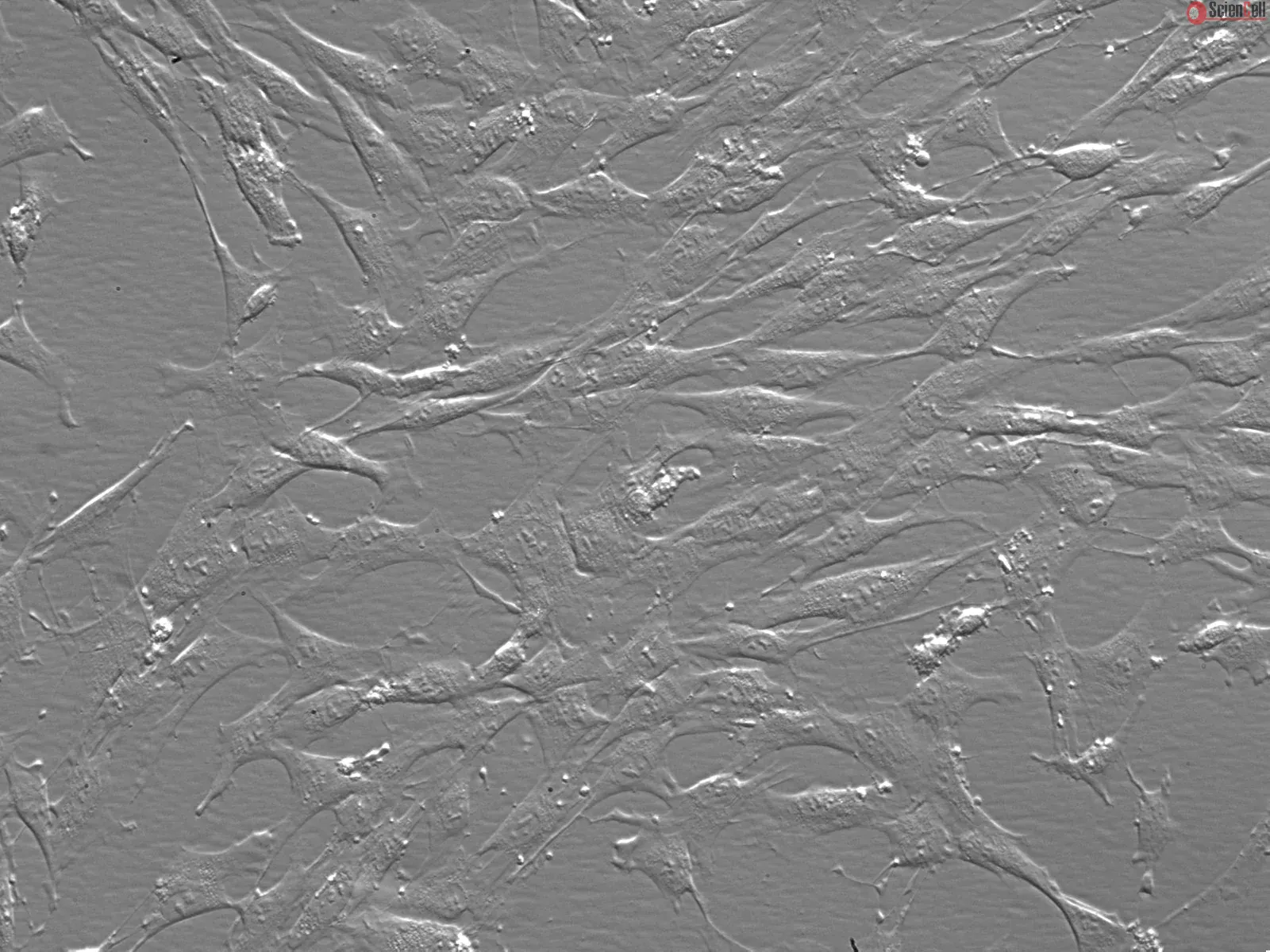
HMeF from ScienCell Research Laboratories are isolated from human mesentery. HMeF are cryopreserved at passage one and delivered frozen. Each vial contains >5 x 10⁵ cells in 1 ml volume. HMeF are characterized by their spindle morphology and immunofluorescence with antibody specific to fibronectin. HMeF are negative for HIV-1, HBV, HCV, mycoplasma, bacteria, yeast, and fungi. HMeF are guaranteed to further expand for 15 population doublings under the conditions provided by ScienCell Research Laboratories.
Recommended Medium
It is recommended to use Fibroblast Medium (FM, Cat. #2301) for culturing HMeF in vitro.
| Catalog No. | 2860 |
|---|---|
| Country of Manufacture | United States |
| Product Code | HMeF |
| Size/Quantity | 5 x 10^5 cells/vial |
| Product use | This product is for research use only. It is not approved for human or animal use, or for application in in vitro diagnostic procedures. |
| Storage | Upon receiving, directly and immediately transfer the cells from dry ice to liquid nitrogen, and keep the cells in liquid nitrogen until they are needed for experiments. |
| Shipping | Dry ice. |
Product Sheets

Search for a Certificate of Analysis by Lot Number below:
Find answers to common questions about ScienCell products, cell culture, handling, and research applications.
No Publication available at this time.