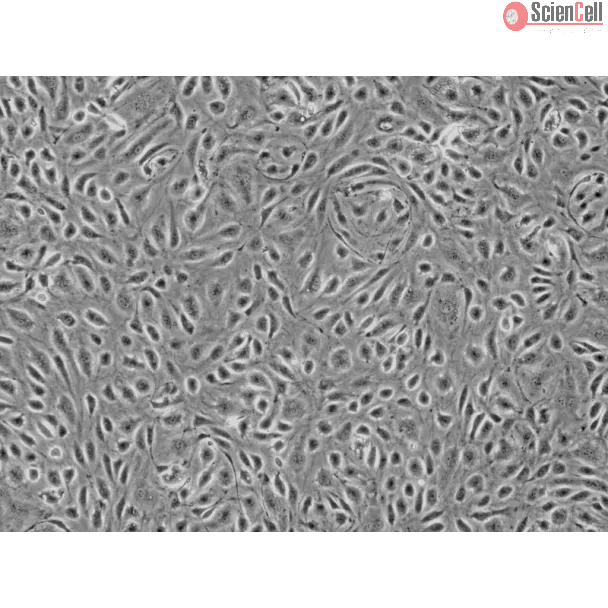
Human Colonic Microvascular Endothelial Cells
Isolated from human colonic tissue. HCoMEC are cryopreserved at passage one and delivered frozen. Each vial contains >5 x 10⁵ cells in 1 ml volume.
Endothelial cells lining the microvasculature are known to play a critical “gatekeeper” role in the inflammatory process through their ability to recruit circulating immune cells into tissues and foci of inflammation. Studies show that intestinal microvascular endothelial cells exhibit a strong immune response to LPS challenge and play a critical regulatory role in gut inflammation. Pharmacological inhibition of NOS in activated intestinal microvascular endothelial cells resulted in a significant increase in leukocytes binding. Gene expression profile studies revealed that intestinal endothelial cells express biotinidase, which is involved in biotin recycling. Human colonic microvascular endothelial cell (HCoMEC) cultures have enabled scientists to perform systematic analyses of cytokine profiles with regard to mRNA expression and protein secretion, and to compare these data with cytokine profiles from other endothelial cells.
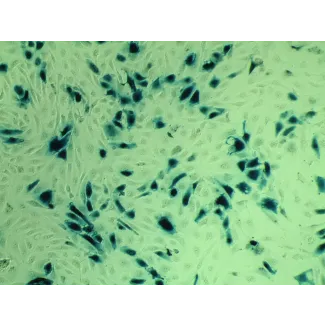
HCoMEC from ScienCell Research Laboratories are isolated from human colonic tissue. HCoMEC are cryopreserved at passage one and delivered frozen. Each vial contains >5 x 10⁵ cells in 1 ml volume. HCoMEC are characterized by immunofluorescence with antibodies specific to vWF/Factor VIII and/or CD31 (PECAM1). HCoMEC are negative for HIV-1, HBV, HCV, mycoplasma, bacteria, yeast and fungi. HCoMEC are guaranteed to further expand for 5 population doublings under the conditions provided by ScienCell Research Laboratories
Recommended Medium
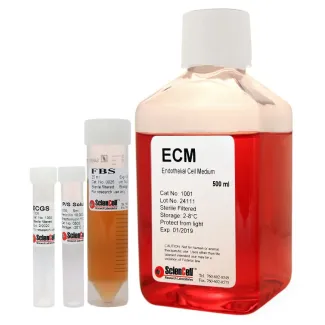
It is recommended to use Endothelial Cell Medium (ECM, Cat. #1001) for culturing HCoMEC in vitro.
| Catalog No. | 2930 |
|---|---|
| Country of Manufacture | United States |
| Product Code | HCoMEC |
| Size/Quantity | 5 x 10^5 cells/vial. |
| Product use | HCoMEC are for research use only. They are not approved for human or animal use, or for application in in vitro diagnostic procedures. |
| Storage | Upon receiving, directly and immediately transfer the cells from dry ice to liquid nitrogen and keep the cells in liquid nitrogen until they are needed for experiments. |
| Shipping | Dry ice. |
Product Sheets

Search for a Certificate of Analysis by Lot Number below:
Find answers to common questions about ScienCell products, cell culture, handling, and research applications.
No Publication available at this time.