人睾丸内皮细胞
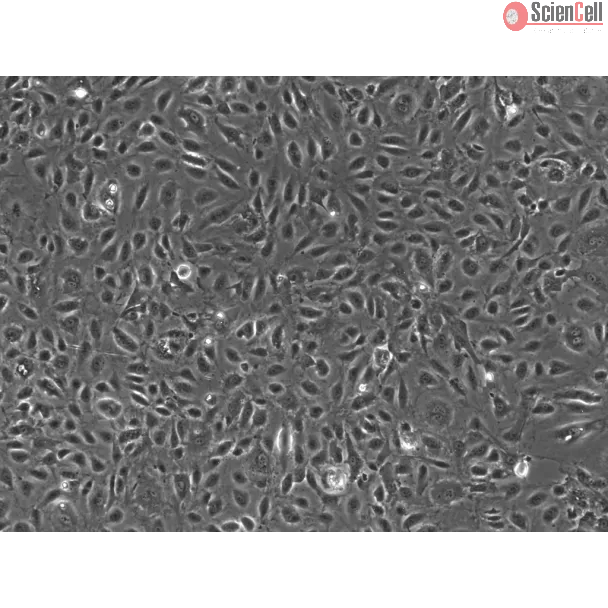
ScienCell Research Laboratories 的人睾丸内皮细胞(HTEC)分离自人睾丸组织。HTEC 以第 1 代(P1)冻存,并以冷冻状态运输。每瓶含有 >5 × 10⁵ 个细胞,体积为 1 ml。
Testicular Endothelial Cells (TEC), located in the mesonephros, migrate in the developing embryo from the mesonephros to form the testis vasculature during the process of testis cord formation. The migrating endothelial cells are also essential because they initiate cord formation by creating partitions for the Sertoli and Germ cells. Recent studies have shown that disrupting testis vascular development blocks testis cord formation and thereby prevents proper structural development of the testis. In addition, studies suggest that testicular endothelial cells have similar properties to brain endothelial cells and contribute to the establishment of the blood-testis barrier (BTB). Cultured Human TEC (HTEC) are a useful in vitro model to understand vascular defects in testis dysgenesis and may provide new insight for treatment of male reproductive disorders.
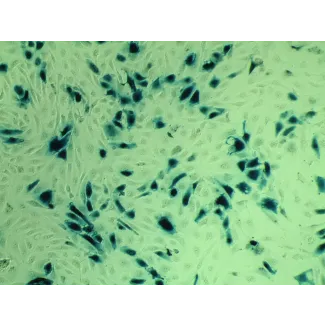
HTEC from ScienCell Research Laboratories are isolated from human testis. HTEC are cryopreserved at passage one and delivered frozen. Each vial contains >5 x 10⁵ cells in 1 ml volume. HTEC are characterized by immunofluorescence with antibodies specific to vWF/Factor VIII and/or CD31 (PECAM1). HTEC are negative for HIV-1, HBV, HCV, mycoplasma, bacteria, yeast, and fungi. HTEC are guaranteed to further expand for 5 population doublings under the conditions provided by ScienCell Research Laboratories.
Recommended Medium
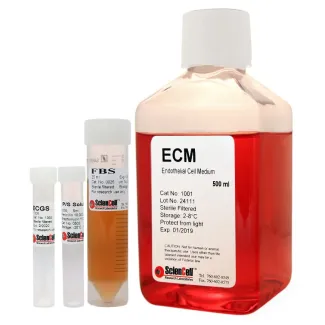
It is recommended to use Endothelial Cell Medium (ECM, Cat. #1001) for culturing HTEC in vitro.
睾丸内皮细胞(TEC)位于中肾,在胚胎发育过程中,随着睾丸索的形成,这些细胞会从中肾迁移至睾丸,并参与构建睾丸血管系统。迁移的内皮细胞对睾丸索的形成也至关重要,因为它们通过形成组织分隔,为支持细胞(Sertoli 细胞)和生殖细胞的排列与定位提供结构基础。近期研究表明,干扰睾丸血管系统的发育会阻碍睾丸索形成,进而影响睾丸的正常结构发育。此外,研究发现睾丸内皮细胞与脑内皮细胞具有相似的生物学特性,并参与血-睾屏障(BTB)的形成。培养的人睾丸内皮细胞(HTEC)可作为研究睾丸发育异常相关血管缺陷的体外模型,并有助于深入了解男性生殖系统疾病的治疗机制。
ScienCell Research Laboratories 的人睾丸内皮细胞(HTEC)分离自人睾丸组织。HTEC 以第 1 代(P1)冻存,并以冷冻状态运输。每瓶含有 >5 × 10⁵ 个细胞,体积为 1 ml。HTEC 采用针对血管性血友病因子(vWF)/凝血因子 VIII 和/或 CD31(PECAM1)的特异性抗体进行免疫荧光鉴定。HTEC 经检测对 HIV-1、HBV、HCV、支原体、细菌、酵母菌和真菌均呈阴性。在 ScienCell Research Laboratories 提供的培养条件下,HTEC 可进一步扩增 5 个群体倍增(population doublings)。
推荐培养基
推荐使用内皮细胞培养基(Endothelial Cell Medium,ECM,产品编号:1001)在体外培养 HTEC。
| 目录编号 | 4500 |
|---|---|
| 制造国家 | 美国 |
| 产品编码 | HTEC |
| 规格/数量 | 5 x 10^5 cells/vial. |
| 产品用途 | 本产品仅供研究使用。未经批准,不得用于人体、动物或体外诊断程序。 |
| 储存 | 收到后,立即将细胞从干冰转移到液氮中,并在液氮中保存,直到需要进行实验。 |
| 运输 | 干冰。 |
Product Sheets

Search for a Certificate of Analysis by Lot Number below:
Find answers to common questions about ScienCell products, cell culture, handling, and research applications.
ScienCell Research Laboratories (SRL) takes pride in being a resource for researchers all over the world. The publications listed here are not meant as an endorsement or confirmation of the reliability of the products.