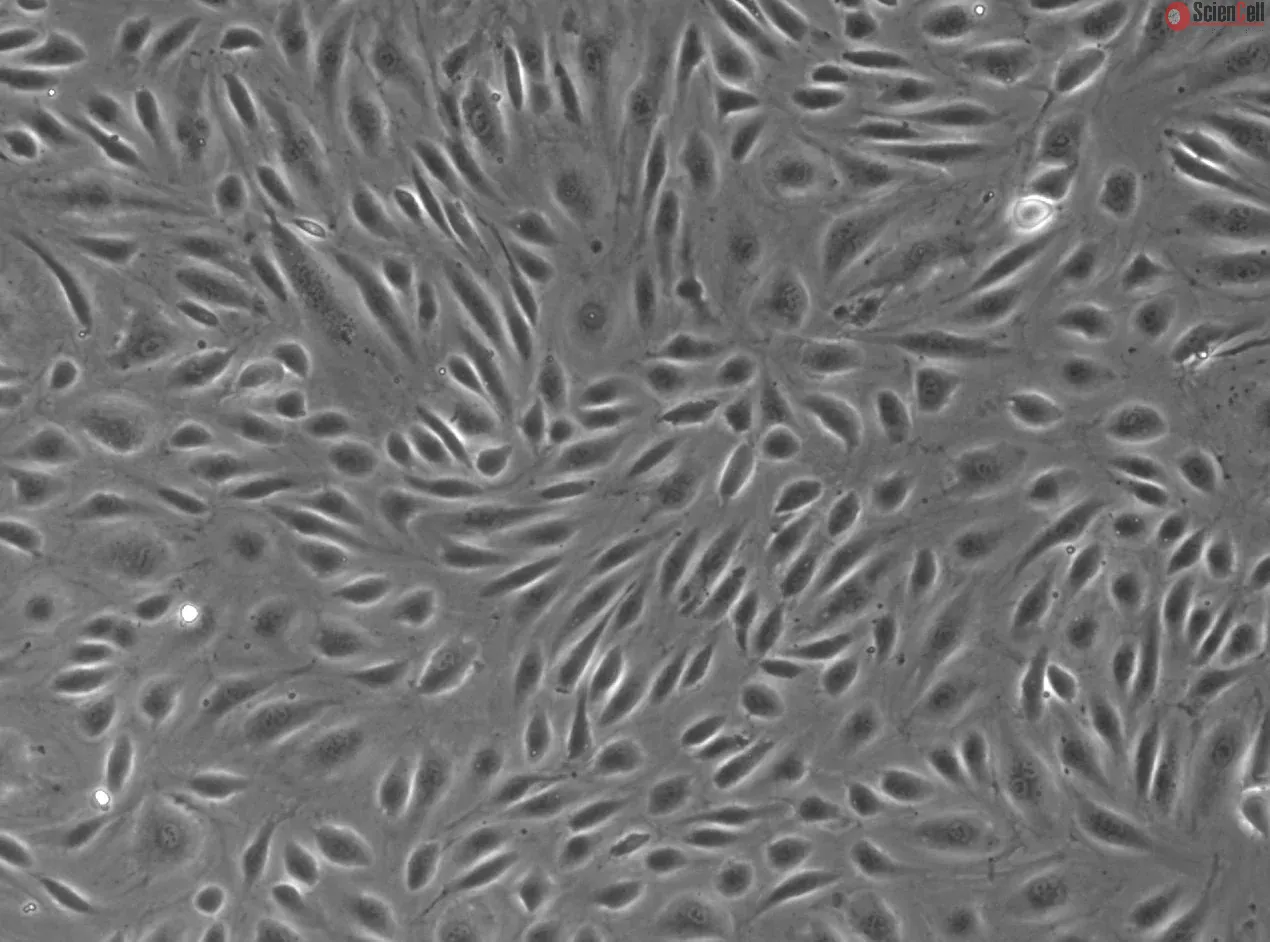
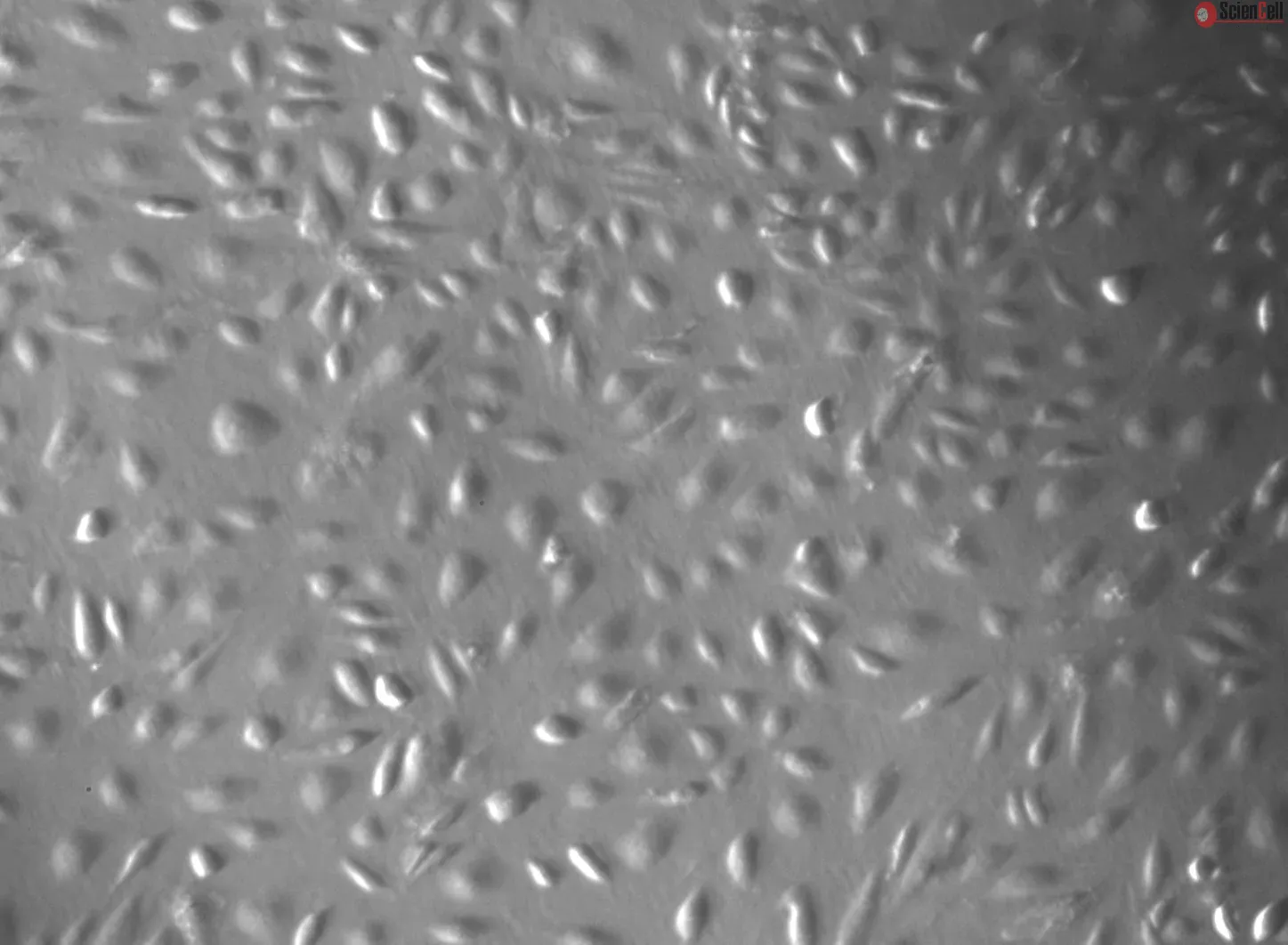
人胎盘血管内皮细胞
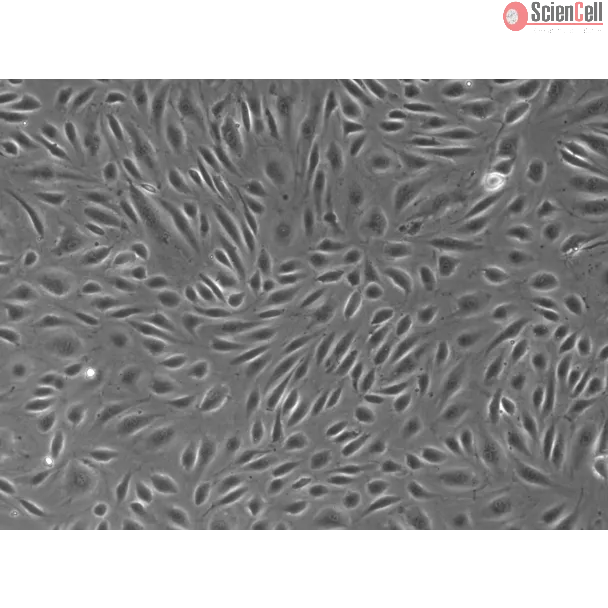
分离自人胎盘。人胎盘血管内皮细胞(HPVEC) 在第一代(P1)进行冻存,并以冷冻状态提供。每瓶含有 >5 × 10⁵ 个细胞,体积为 1 mL。
The human placenta is a well vascularized organ that plays an essential role in fetal development by providing nutrients to the fetus, producing pregnancy hormones, excreting waste, and protecting the fetus from harmful substances. The placenta is comprised of an extensive vascular network that when fully developed covers a surface area of 15m2. During pregnancy, the placental vasculature undergoes widespread remodeling, in part due to endothelial cell proliferation and elongation. Vascular defects due to endothelial cell dysfunction in the placenta can contribute to the development of disorders such as placental insufficiency, intrauterine growth restriction, and pre-eclampsia. Human Placental Vascular Endothelial Cells (HPVEC) are an excellent in vitro model to study vascular defects in the placenta and elucidate the mechanisms of angiogenesis and vasculogenesis.
HPVEC from ScienCell Research Laboratories are isolated from human placenta. HPVEC are cryopreserved at passage one and delivered frozen. Each vial contains >5 x 10⁵ cells in 1 ml volume. HPVEC are characterized by immunofluorescence with antibodies specific to vWF/Factor VIII and/or CD31 (PECAM1). HPVEC are negative for HIV-1, HBV, HCV, mycoplasma, bacteria, yeast and fungi. HPVEC are guaranteed to further expand for 10 population doublings under the conditions provided by ScienCell Research Laboratories.
Recommended Medium
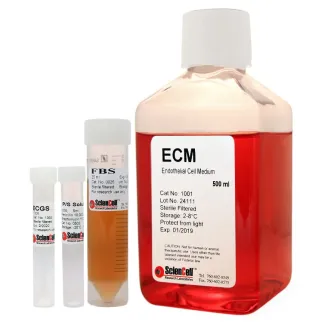
It is recommended to use Endothelial Cell Medium (ECM, Cat. #1001) for culturing HPVEC in vitro.
人胎盘是一个血管高度丰富的器官,通过为胎儿提供营养、产生妊娠激素、排出代谢废物以及保护胎儿免受有害物质影响,在胎儿发育过程中发挥重要作用。胎盘由广泛的血管网络组成,发育成熟后其血管网络覆盖的表面积可达 15 m2。妊娠期间,胎盘血管系统会发生广泛重塑,部分原因是内皮细胞增殖和延伸。胎盘内皮细胞功能障碍导致的血管缺陷可能参与胎盘功能不全、胎儿宫内生长受限和子痫前期等疾病的发生。人胎盘血管内皮细胞(HPVEC)是研究胎盘血管缺陷以及阐明血管生成和血管发生机制的优秀体外模型。
ScienCell Research Laboratories 的 HPVEC 分离自人胎盘,于第一代(P1)进行冻存,并以冷冻状态提供。每瓶含有 >5 × 10⁵ 个细胞,体积为 1 mL。HPVEC 通过免疫荧光法,采用针对 vWF/因子 VIII 和/或 CD31(PECAM1)的特异性抗体进行表征。HPVEC 经检测为 HIV-1、HBV、HCV、支原体、细菌、酵母菌和真菌阴性。在 ScienCell Research Laboratories 提供的培养条件下,HPVEC 可进一步扩增至少 10 个群体倍增。
推荐培养基
建议使用内皮细胞培养基(ECM,产品编号 1001)进行 HPVEC 的体外培养。
| 目录编号 | 7100 |
|---|---|
| 制造国家 | 美国 |
| 产品编码 | HPVEC |
| 规格/数量 | 5 x 10^5 cells/vial |
| 产品用途 | 本产品仅供研究使用。未经批准,不得用于人体、动物或体外诊断程序。 |
| 储存 | 收到后请立即将细胞从干冰直接转移至液氮中,并在进行细胞培养实验前始终保存在液氮中。 |
| 运输 | 干冰。 |

No Publication available at this time.