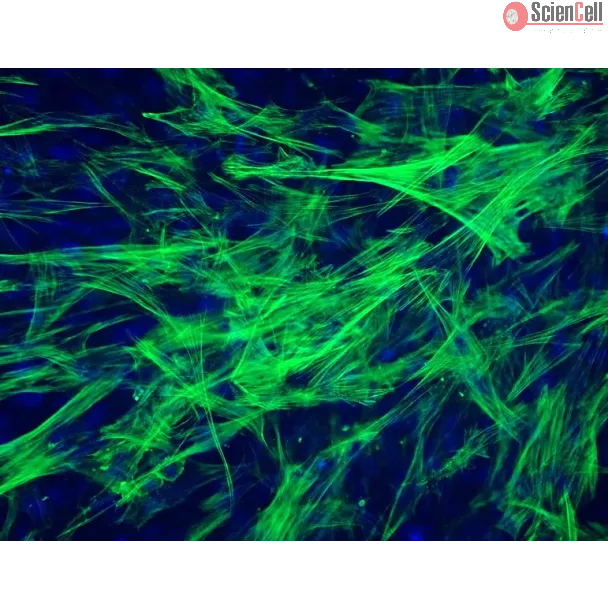
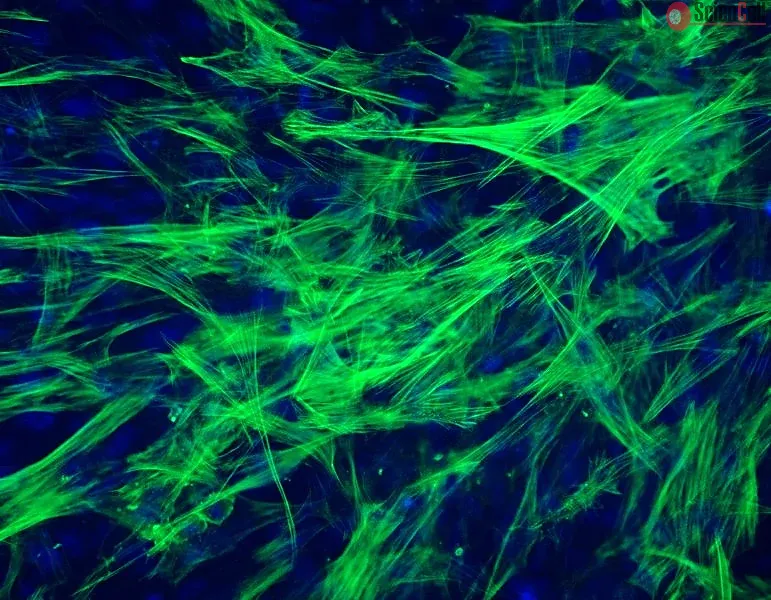
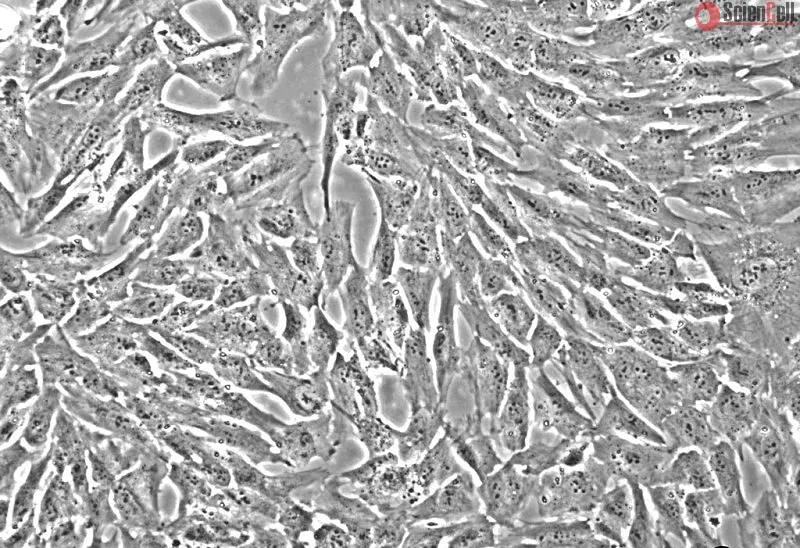
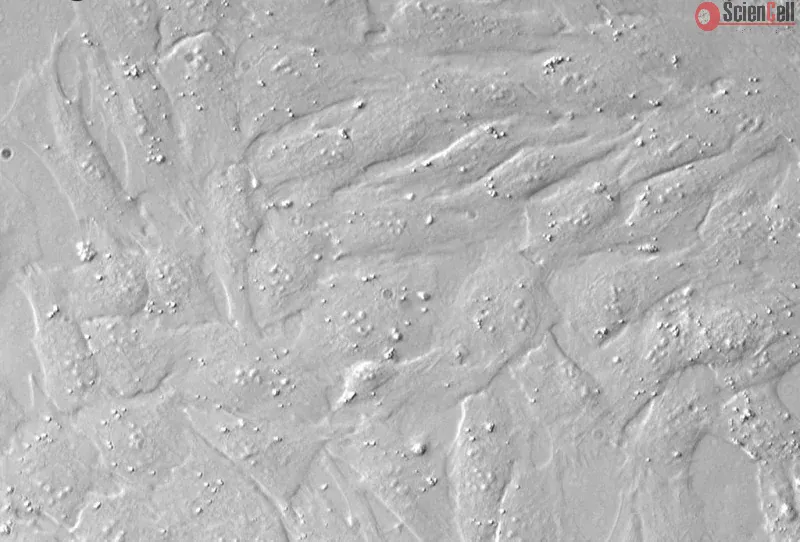
平滑肌收缩是胃肠道运动的基本事件。虽然许多与兴奋-收缩偶联相关的生化机制尚未完全明确,但已知胞质 Ca2+ 是偶联现象中不可或缺的关键因子。人肠道的炎症会导致平滑肌特异性肌动蛋白的水平升高,从而促进平滑肌层的增厚。肌动蛋白的增加可能影响收缩力的产生,并进一步表明平滑肌细胞在炎症状态下具有较强的可塑性。研究还表明,人肠道平滑肌细胞(HISMC)在受到 IL-1β 和 TNF-α 的刺激后会释放 IL-6,这可能在全身系统性炎症反应中发挥重要作用。HISMC 的可获取性为研究人肠道平滑肌的收缩与增殖反应提供了更切实可行的途径。
ScienCell Research Laboratories 的 HISMC 来源于人肠组织。HISMC 在第一代时进行冻存,并以冷冻状态运输。每管包含 >5 x 10⁵ 个细胞,体积为 1 毫升。HISMC 经免疫荧光染色鉴定,具有 α-平滑肌肌动蛋白(α-SMA)阳性特征。HISMC 检测为 HIV-1、HBV、HCV、支原体、细菌、酵母和真菌阴性。根据 ScienCell Research Laboratories 提供的条件,HISMC 可持续扩增至少 15 代群体倍增。
推荐培养基
建议使用平滑肌细胞培养基(Smooth Muscle Cell Medium,SMCM,目录号:#1101)进行体外培养。
Product Sheets
 2910
2910
Search for a Certificate of Analysis by Lot Number below:
Background Gastroschisis (GS) is a congenital abdominal wall defect that results in the development of GS-related intestinal dysfunction (GRID). Transforming growth facto... More
Background Gastroschisis (GS) is a congenital abdominal wall defect that results in the development of GS-related intestinal dysfunction (GRID). Transforming growth factor-β, a pro-inflammatory cytokine, has been shown to cause organ dysfunction through alterations in vascular and airway smooth muscle. The purpose of this study was to evaluate the effects of TGF-β3 on intestinal smooth muscle function and contractile gene expression. Methods Archived human intestinal tissue was analyzed using immunohistochemistry and RT-PCR for TGF-β isoforms and markers of smooth muscle gene and micro-RNA contractile phenotype. Intestinal motility was measured in neonatal rats ± TGF-β3 (0.2 and 1 mg/kg). Human intestinal smooth muscle cells (hiSMCs) were incubated with fetal bovine serum ±100 ng/ml of TGF-β 3 isoforms for 6, 24 and 72 h. The effects of TGF-β3 on motility, hiSMC contractility and hiSMC contractile phenotype gene and micro-RNA expression were measured using transit, collagen gel contraction assay and RT-PCR analysis. Data are expressed as mean ± SEM, ANOVA (n = 6–7/group). Results GS infants had increased immunostaining of TGF-β3 and elevated levels of micro-RNA 143 & 145 in the intestinal smooth muscle. Rats had significantly decreased intestinal transit when exposed to TGF-β3 in a dose-dependent manner compared with Sham animals. TGF-β3 significantly increased hiSMC gel contraction and contractile protein gene and micro-RNA expression. Conclusion TGF-β3 contributed to intestinal dysfunction at the organ level, increased contraction at the cellular level and elevated contractile gene expression at the molecular level. A hyper-contractile response may play a role in the persistent intestinal dysfunction seen in GRID. Keywords: Gastroschisis, Intestinal dysfunction, Smooth muscle, Contraction Less
ScienCell Research Laboratories (SRL) takes pride in being a resource for researchers all over the world. The publications listed here are not meant as an endorsement or confirmation of the reliability of the products.