人脉络丛内皮细胞
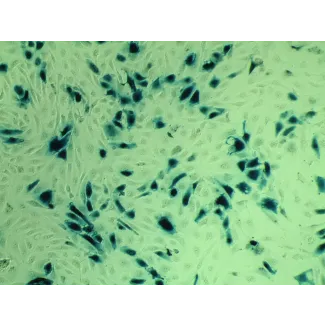
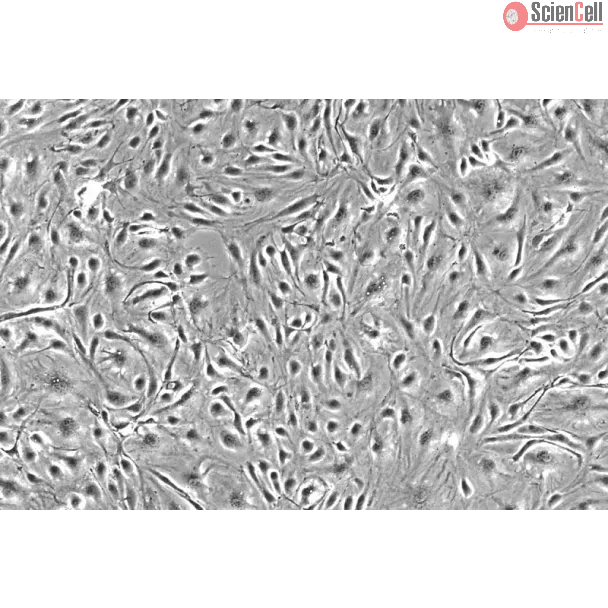
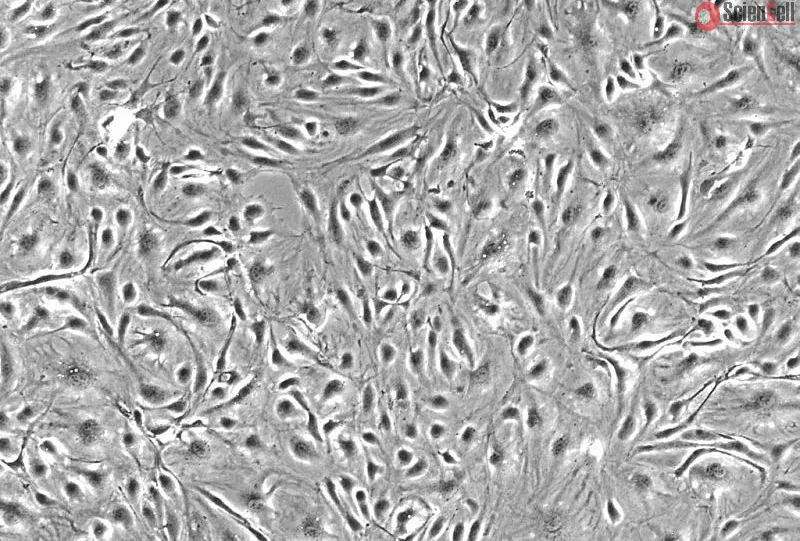
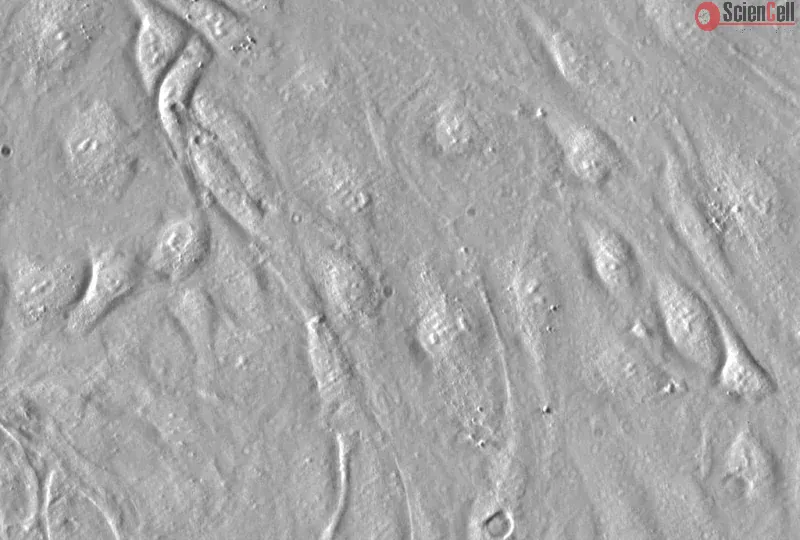
ScienCell Research Laboratories 的人脉络丛内皮细胞(HCPEC) 分离自人脑,冻存于第一代(P1),并以冷冻状态提供。每瓶含有 >5 × 10⁵ 个细胞,体积为 1 mL。
本产品供应有限,仅面向美国境内客户销售。如需了解更多信息,请联系 sales@sciencellonline.com
The choroid plexus is located in the ventricles of the brain where cerebrospinal fluid (CSF) is produced. It participates in brain development, maturation, aging, endocrine regulation, neuroimmune interactions, and pathogenesis of certain neurodegenerative diseases. The choroid plexus consists of a network of capillaries enclosed by a single layer of epithelial cells that together form the blood-CSF barrier. Capillaries in the choroid plexus contain a single layer of endothelial cells interrupted by “pores” which exhibit a diaphragm between the lumen and the interstitial space. Studies have shown that choroid plexus endothelial cells express high levels of Glut1 glucose transporter, which supports the idea that epithelial and endothelial cells in the choroid plexus provide a metabolic work capability for maintaining ionic gradients
and secretory functions across the blood-CSF barrier.
HCPEC from ScienCell Research Laboratories are isolated from human brain. HCPEC are cryopreserved at passage one and delivered frozen. Each vial contains >5 x 10⁵ cells in 1 ml volume. HCPEC are characterized by immunofluorescence with antibodies specific to VWF/Factor VIII and/or CD31 (PECAM1). HCPEC are negative for HIV-1, HBV, HCV, mycoplasma, bacteria, yeast, and fungi. HCPEC are guaranteed to further culture under the conditions provided by ScienCell Research Laboratories; however, HCPEC are not recommended for expanding or long-term cultures due to limited expansion capacity.
Recommended Medium
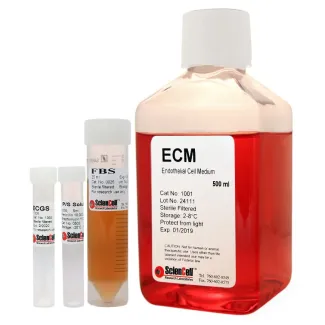
It is recommended to use Endothelial Cell Medium (ECM, Cat. #1001) for culturing HCPEC in vitro.
脉络丛位于脑室内,是脑脊液(CSF)的产生部位。脉络丛参与脑的发育、成熟和衰老,以及内分泌调节、神经免疫相互作用和某些神经退行性疾病的发生发展。脉络丛由毛细血管网络和包裹其表面的单层上皮细胞组成,共同构成血-脑脊液屏障。脉络丛毛细血管由单层内皮细胞构成,内皮细胞上存在带有隔膜的“孔”,形成血管腔与间质之间的通道。研究表明,脉络丛内皮细胞高水平表达 Glut1 葡萄糖转运蛋白,这支持了这样一种观点:脉络丛中的上皮细胞和内皮细胞能够为维持血-脑脊液屏障两侧的离子梯度及分泌功能提供代谢支持。
ScienCell Research Laboratories 的 HCPEC 分离自人脑,冻存于第一代(P1),并以冷冻状态提供。每瓶含有 >5 × 10⁵ 个细胞,体积为 1 mL。HCPEC 通过免疫荧光法,采用针对 VWF/因子 VIII 和/或 CD31(PECAM1)的特异性抗体进行表征。HCPEC 经检测为 HIV-1、HBV、HCV、支原体、细菌、酵母菌和真菌阴性。在 ScienCell Research Laboratories 提供的培养条件下,HCPEC 可继续进行培养;但是,由于其扩增能力有限,不建议用于扩增培养或长期培养。
推荐培养基
建议使用内皮细胞培养基(ECM,产品编号 1001)进行 HCPEC 的体外培养。
| 目录编号 | 1300 |
|---|---|
| 制造国家 | 美国 |
| 产品编码 | HCPEC |
| 规格/数量 | 5 x 10^5 cells/vial. |
| 产品用途 | 本产品仅供研究使用。未经批准,不得用于人体、动物或体外诊断程序。 |
| 储存 | 收到后,立即将细胞从干冰转移到液氮中,并在液氮中保存,直到需要进行实验。 |
| 运输 | 干冰。 |
Product Sheets

Search for a Certificate of Analysis by Lot Number below:
Find answers to common questions about ScienCell products, cell culture, handling, and research applications.
No Publication available at this time.