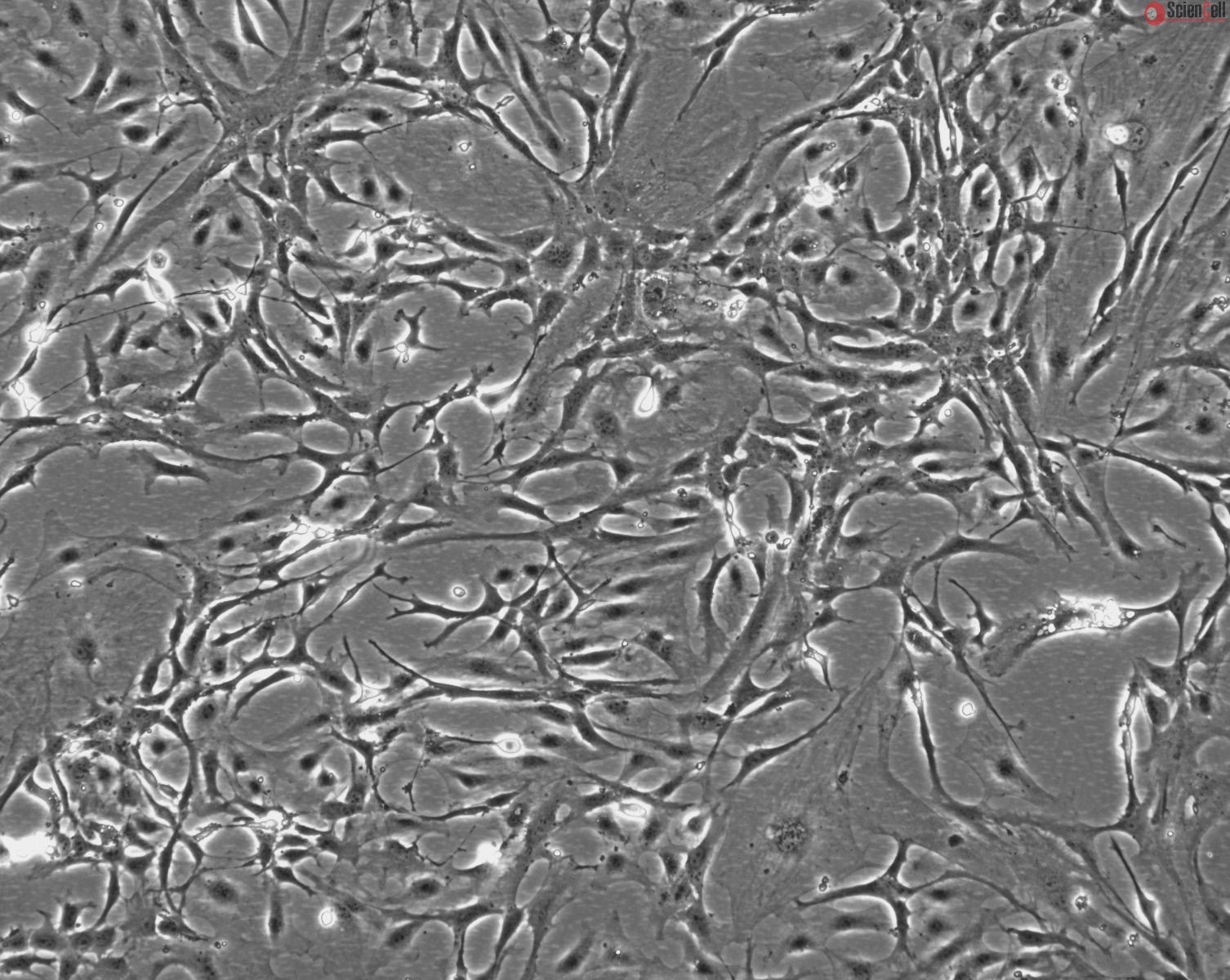
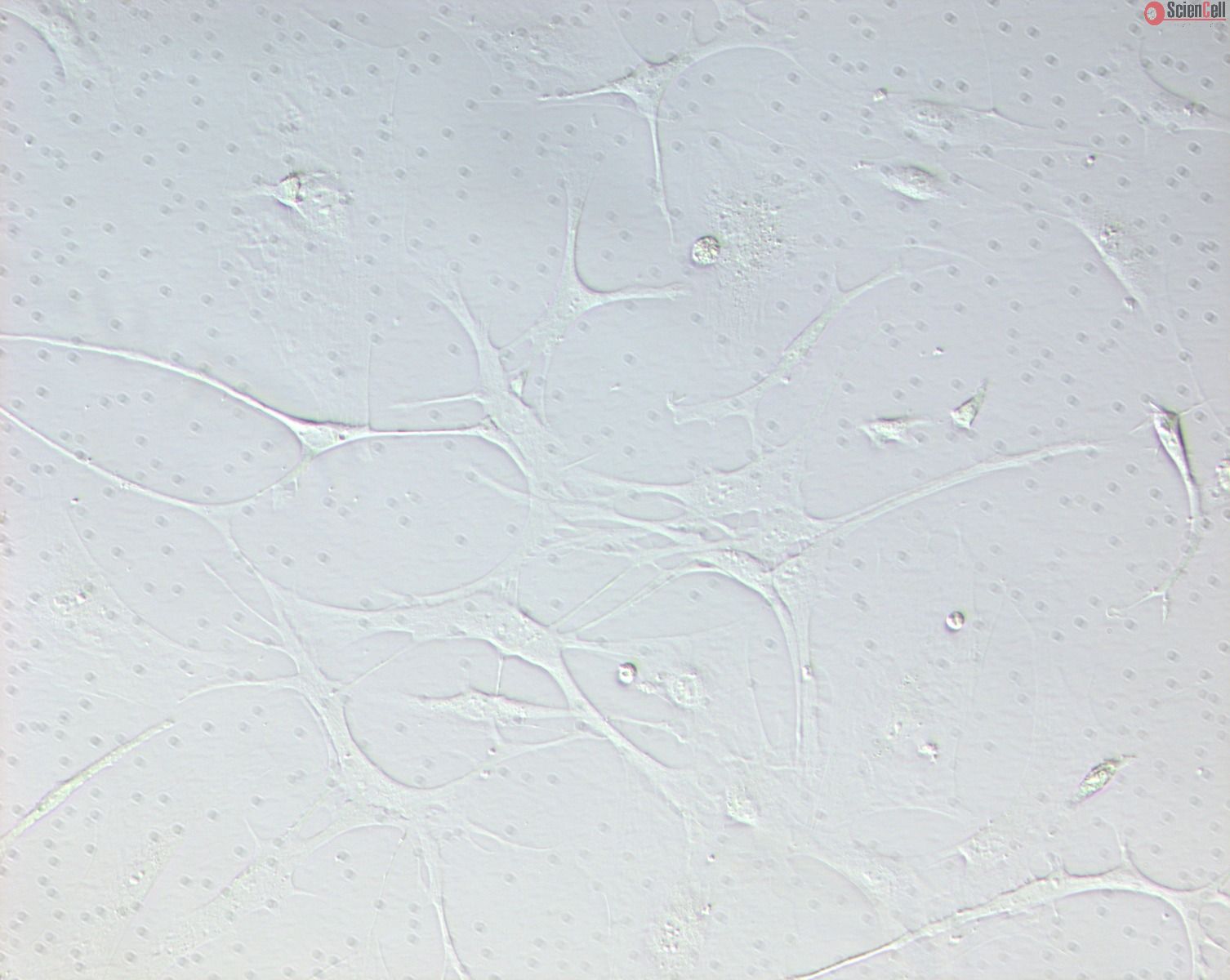
Mouse Pituitary Cells from C57BL/6
Located at the base of the brain, the pea-sized pituitary gland is critical for regulating growth, development, and the function of target organs and other endocrine glands. The process of pituitary development serves as a prime example of cell specification. The anterior pituitary is comprised of six major cell types responsible for secreting eight distinct hormones: growth hormone, prolactin, thyrotrophin stimulating hormone, adrenocorticotrophic hormone, leutinizing hormone, follicle stimulating hormone, melanocyte stimulating hormone, and endorphin, which are distributed within specific glandular regions. Research has shown that many pituitary cell types express natriuretic peptide receptors and are responsive to natriuretic peptides, leading to cGMP accumulation. Mouse Pituitary Cells (MPC) provide a valuable model for enhancing our understanding of pituitary gland diseases.
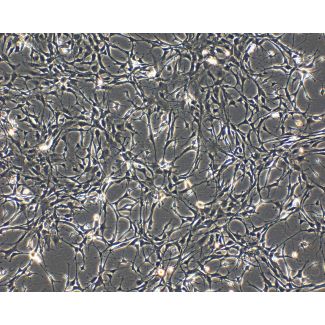
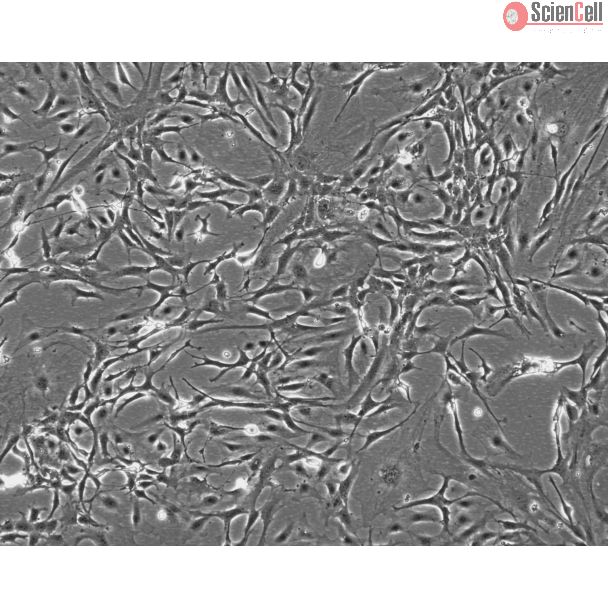
MPC from ScienCell Research Laboratories are isolated from postnatal day 8 C57BL/6 mouse pituitary. MPC are cryopreserved at P0 and delivered frozen. Each vial contains >5 x 10⁵ cells in 1 ml volume. MPC are negative for mycoplasma, bacteria, yeast and fungi. MPC are guaranteed to further culture in the conditions provided by ScienCell Research Laboratories; however, MPC are not recommended for expanding or long-term cultures due to limited expansion capacity.
Recommended Medium
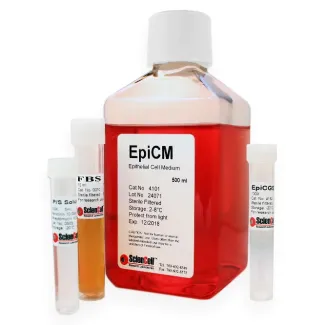
It is recommended to use Epithelial Cell Medium (EpiCM, Cat. #4101) for the culturing of MPC in vitro.
| Catalog No. | M1220-57 |
|---|---|
| Country of Manufacture | United States |
| Product Code | MPC |
| Size/Quantity | 5 x 10^5 cells/vial |
| Product use | This product is for research use only. It is not approved for human or animal use, or for application in in vitro diagnostic procedures. |
| Storage | Upon receiving, directly and immediately transfer the cells from dry ice to liquid nitrogen and keep the cells in liquid nitrogen until they are needed for experiments. |
| Shipping | Dry ice. |
Product Sheets

Search for a Certificate of Analysis by Lot Number below:
Find answers to common questions about ScienCell products, cell culture, handling, and research applications.
No Publication available at this time.
,-1-mg-ml--2.jpg)