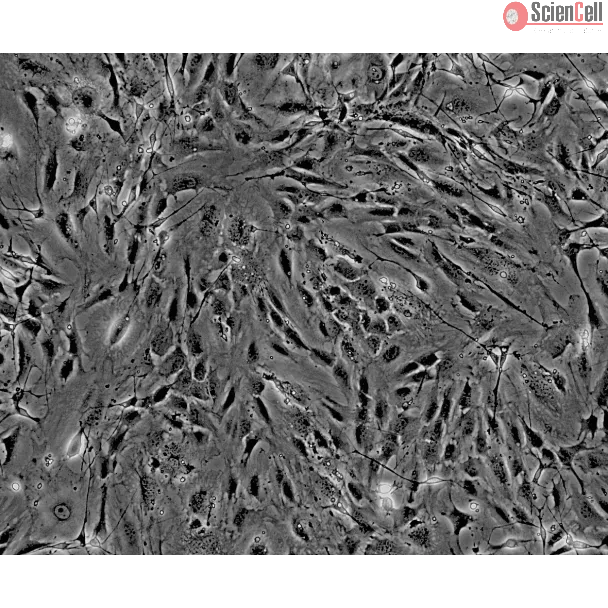
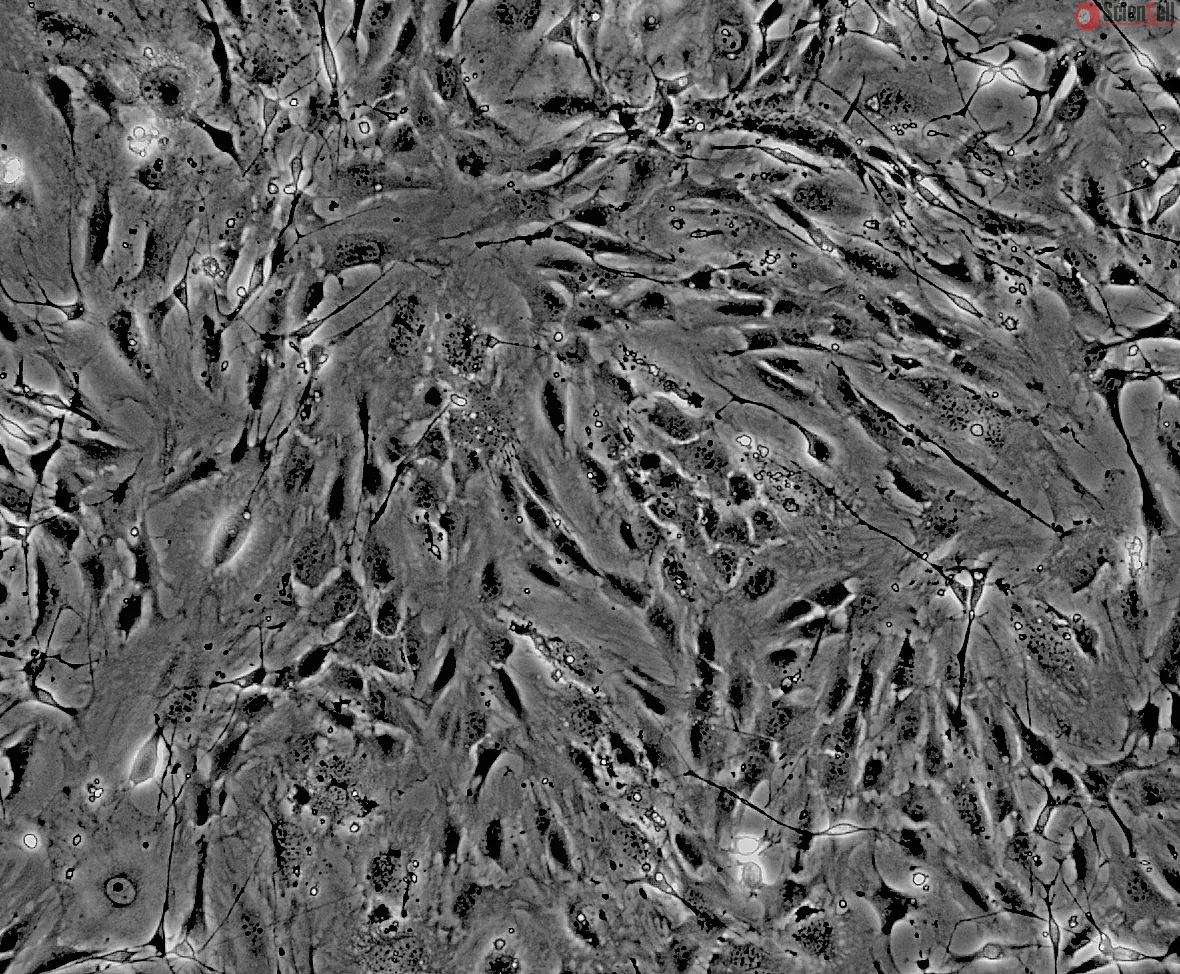
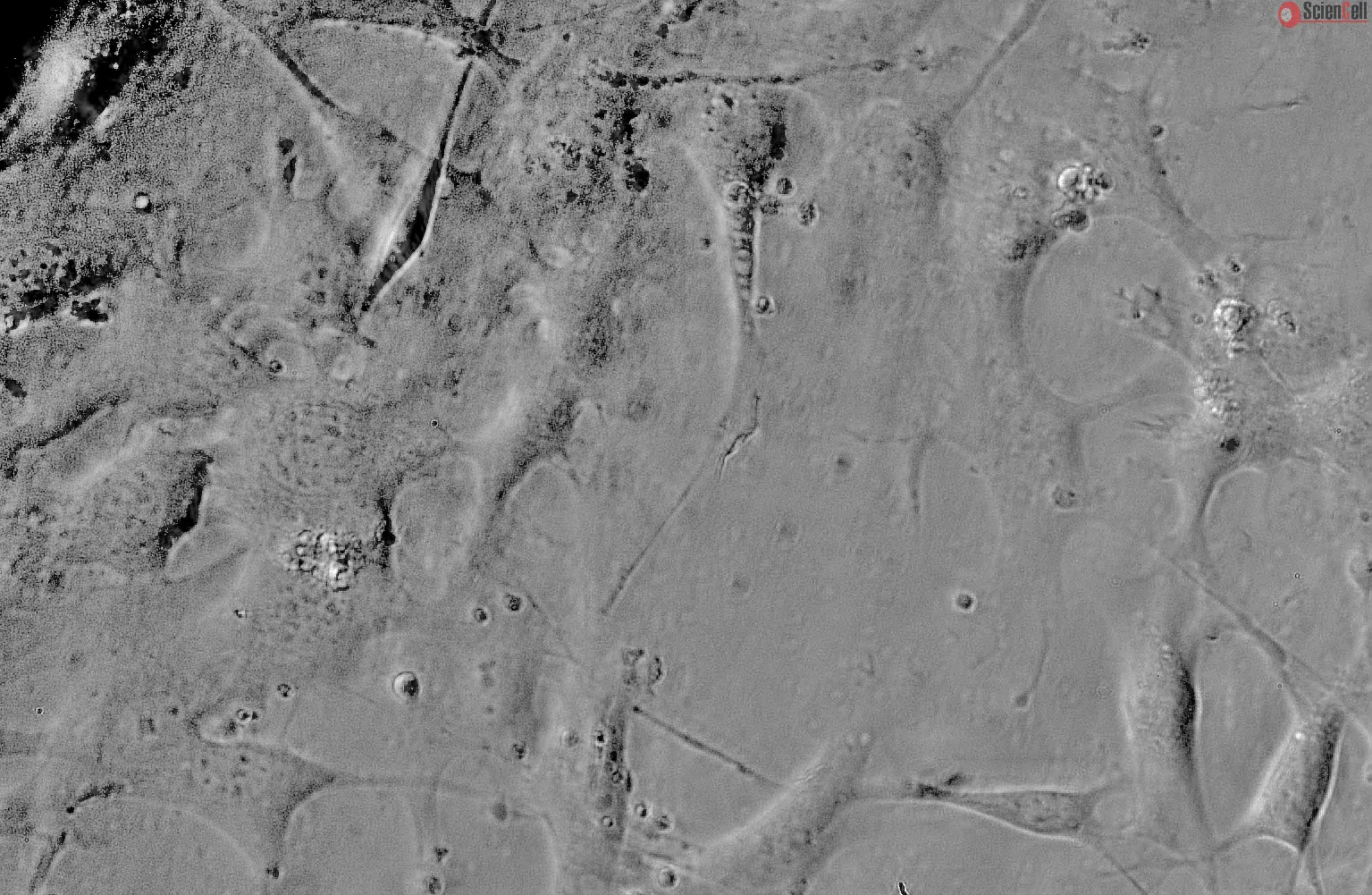
Mouse Perineurial Fibroblasts from CD1
Perineurial fibroblasts are of mesenchymal origin and form the perineurium. The perineurium plays an important role in maintaining the integrity of the internal peripheral nerve environment by creating a physical barrier that, under physiologic condition, limits the entry of biologically active proteins, infectious agents, and blood-borne cells into the nerve bundles. The perineurial fibroblasts are characterized by distinct ultrastructural features, including non-branching thin cytoplasmic processes coated by an external lamina and joined at their ends by a tight junction, few organelles, actin and vimentin filaments, and numerous pinocytotic vesicles. Perineurial fibroblasts are initially recruited from the surrounding mesenchyme to form a loose, permeable sheath around axons and Schwann cells, where they are separated by the extracellular matrix. These cells later undergo a mesenchymal-to-epithelial transition to form tight junctions and organize into the perineurium. Perineurial fibroblasts are immunoreactive for vimentin and epithelial membrane antigen but not for the Schwann cell marker S-100.
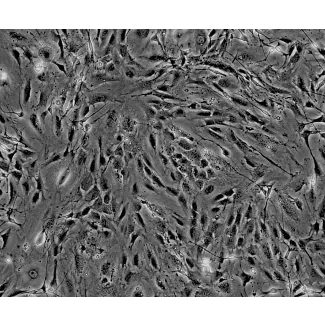
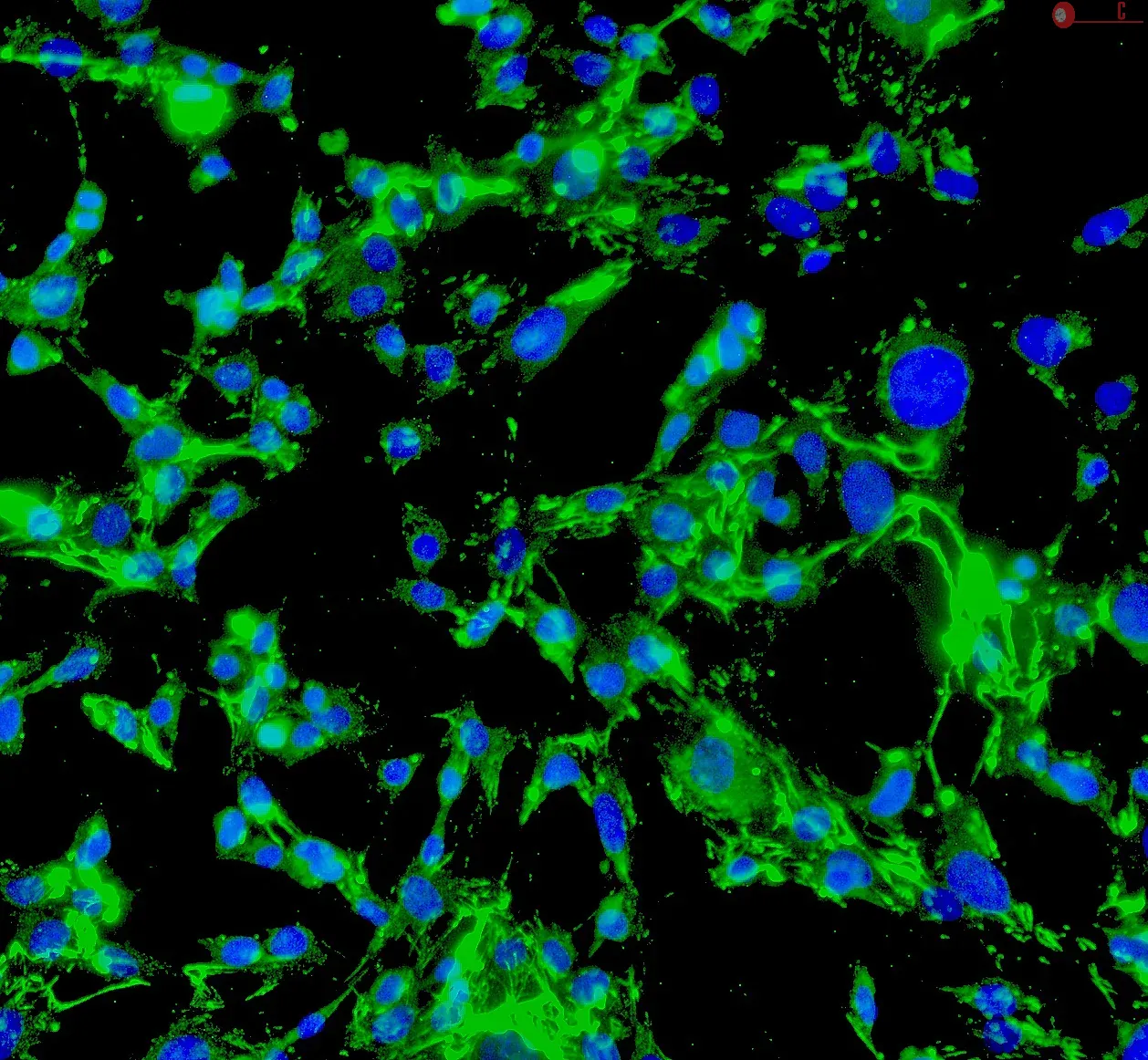
MPNF from ScienCell Research Laboratories are isolated from postnatal day 8 CD-1 mouse nerve. MPNF are cryopreserved at passage one and delivered frozen. Each vial contains >5 x 10⁵ cells in 1 ml volume. MPNF are characterized by immunofluorescence with antibodies specific to vimentin and/or fibronectin. MPNF are negative for mycoplasma, bacteria, yeast, and fungi. MPNF are guaranteed to further expand for 5 population doublings under the conditions provided by ScienCell Research Laboratories.
Recommended Medium
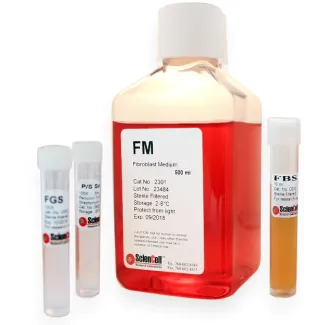
It is recommended to use Fibroblast Medium (FM, Cat. #2301) for culturing MPNF in vitro.
| Catalog No. | M1710 |
|---|---|
| Country of Manufacture | United States |
| Product Code | MPNF |
| Size/Quantity | 5 x 10^5 cells/vial |
| Product use | This product is for research use only. It is not approved for use in humans, animals, or in vitro diagnostic procedures. |
| Storage | Upon receiving, directly and immediately transfer the cells from dry ice to liquid nitrogen and keep the cells in liquid nitrogen until they are needed for experiments. |
| Shipping | Dry ice. |
Product Sheets

Search for a Certificate of Analysis by Lot Number below:
Find answers to common questions about ScienCell products, cell culture, handling, and research applications.
No Publication available at this time.
,-1-mg-ml--2.jpg)