The most abundant cell type in lung interstitium is fibroblasts. They resemble ordinary fibroblasts but have some distinguishing features, such as long branching processes and gap junctions. HPF main function is to produce type III collagen, elastin, and proteoglycans of the extracellular matrix of the alveolar septa. Pulmonary fibroblasts (PF) play an important role in the repair and remodeling processes following injury. The controlled accumulation of fibroblasts to sites of inflammation is crucial to effective tissue repair after injury. Either inadequate or excessive accumulation of fibroblasts could result in abnormal tissue function. For example, the excess proliferation of fibroblasts contributes to the adventitial thickening observed during the development of hypoxia-induced pulmonary hypertension.
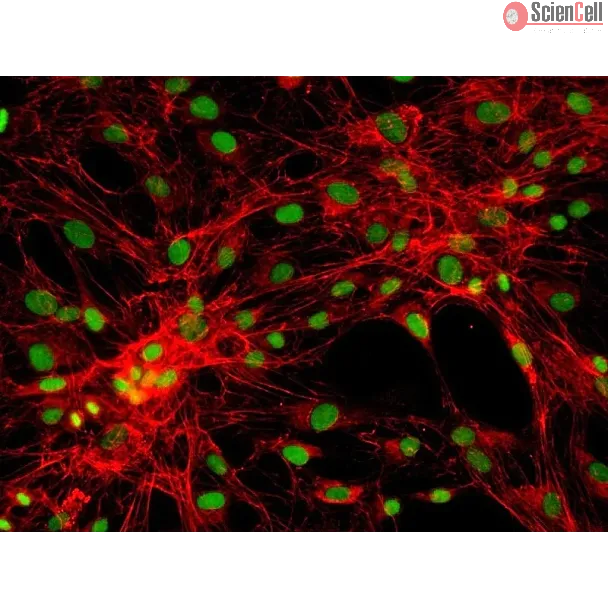
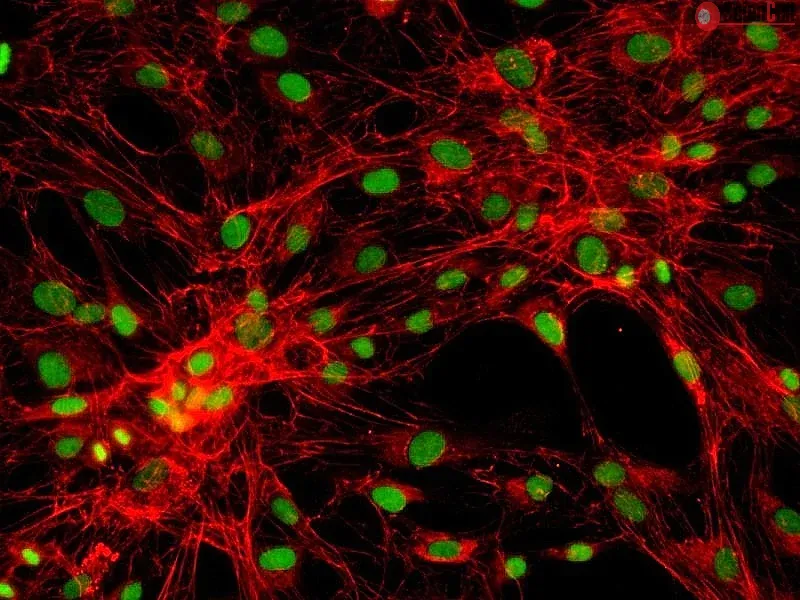
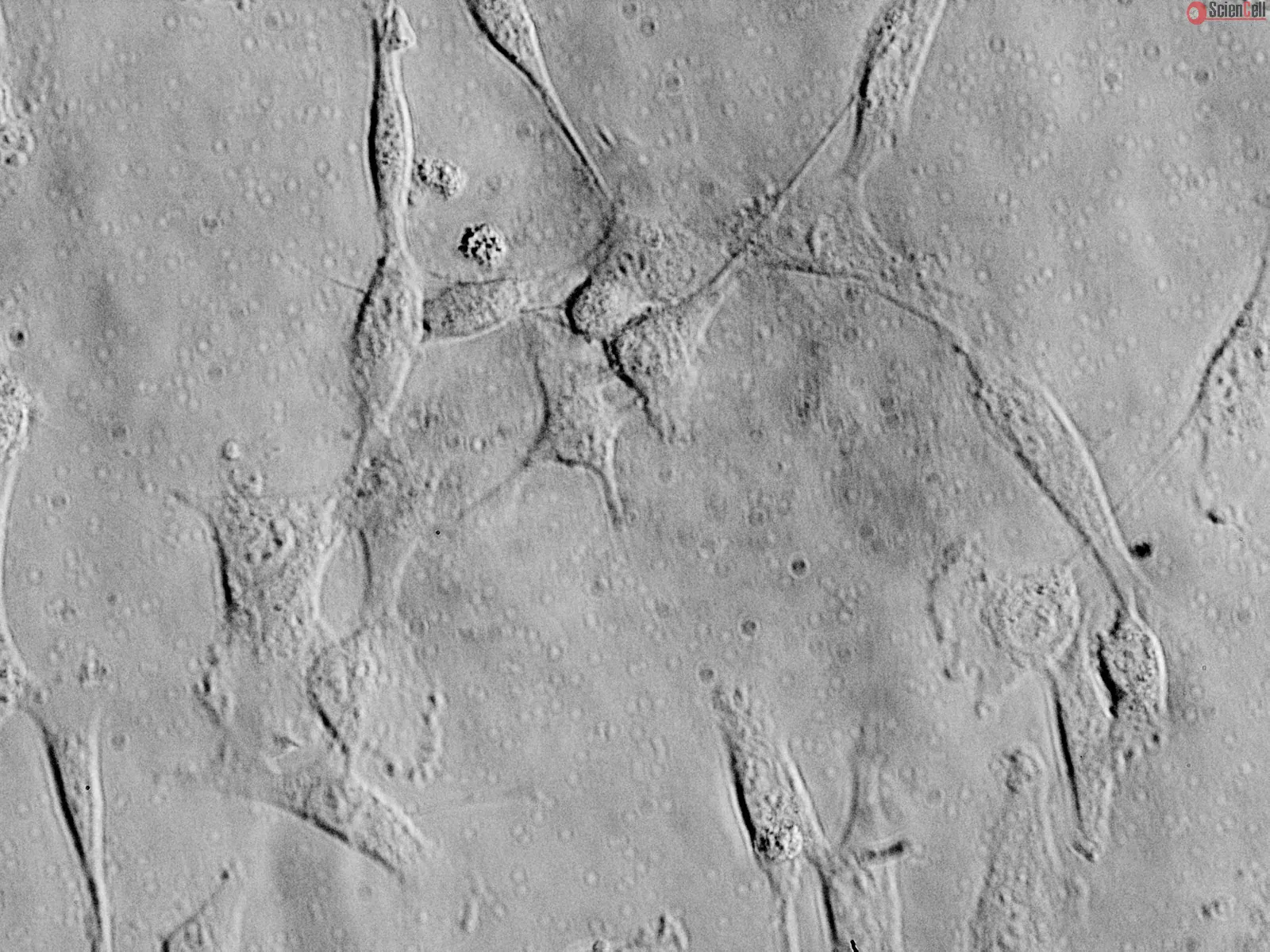
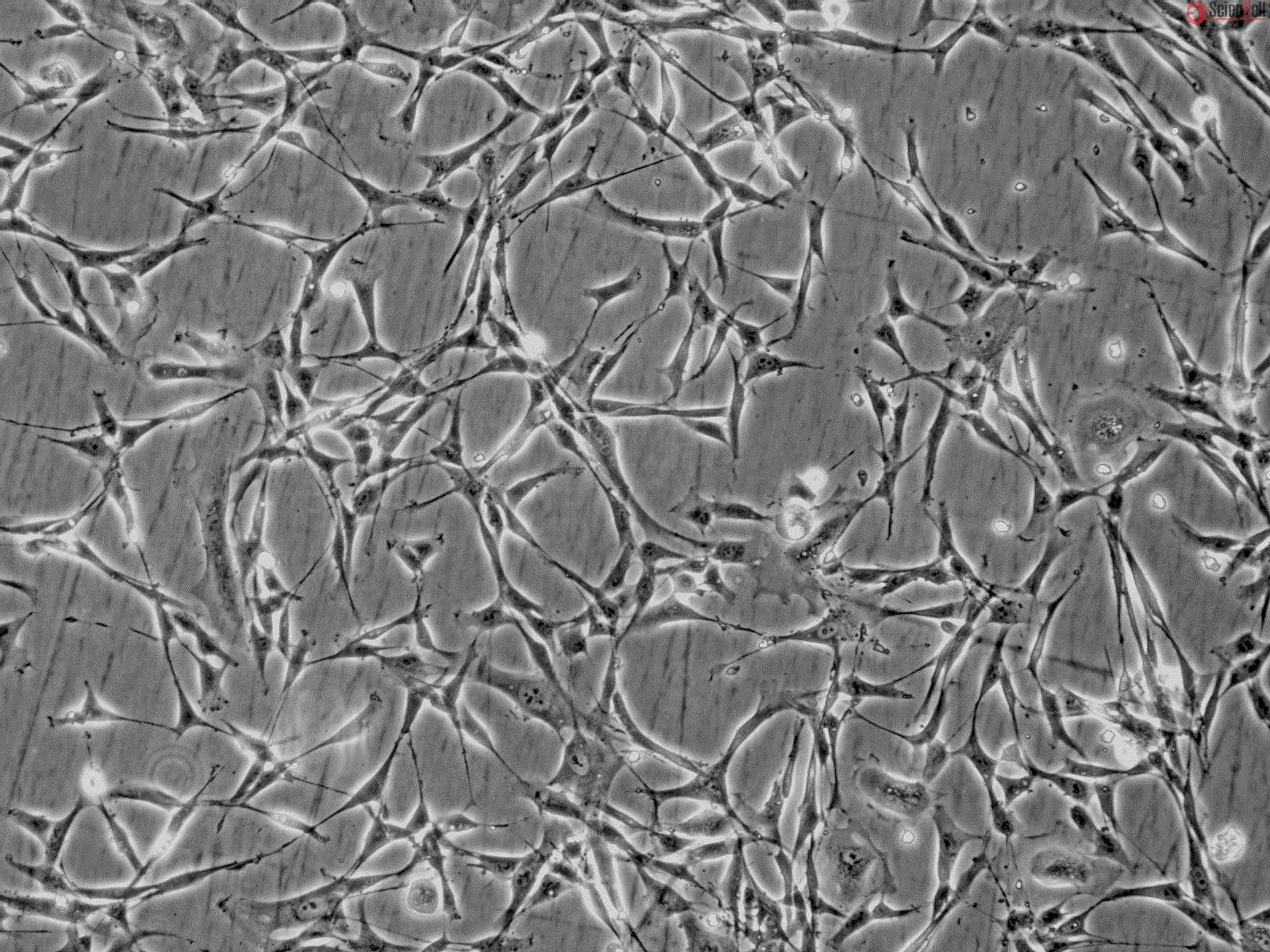
HPF-a from ScienCell Research Laboratories are isolated from adult human lung tissue. HPF-a are cryopreserved at passage one and delivered frozen. Each vial contains >5 x 10⁵ cells in 1 ml volume. HPF-a are characterized by immunofluorescence with antibody specific to fibronectin. HPF-a are negative for HIV-1, HBV, HCV, mycoplasma, bacteria, yeast and fungi. HPF-a are guaranteed to further expand for 15 population doublings under the conditions provided by ScienCell Research Laboratories.
Recommended Medium
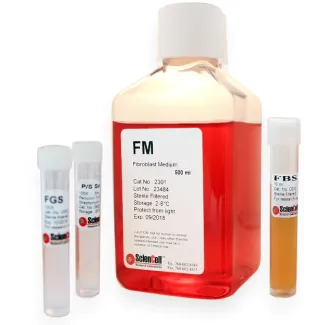
It is recommended to use Fibroblast Medium (FM, Cat. #2301) for the culturing of HPF-a in vitro.
Product Sheets
 3310
3310
Search for a Certificate of Analysis by Lot Number below:
Due to tumor heterogeneity, most believe that effective treatments should be tailored to the features of an individual tumor or tumor subclass. It is still unclear, howev... More
Due to tumor heterogeneity, most believe that effective treatments should be tailored to the features of an individual tumor or tumor subclass. It is still unclear, however, what information should be considered for optimal disease stratification, and most prior work focuses on tumor genomics. Here, we focus on the tumor microenvironment. Using a large‐scale coculture assay optimized to measure drug‐induced cell death, we identify tumor–stroma interactions that modulate drug sensitivity. Our data show that the chemo‐insensitivity typically associated with aggressive subtypes of breast cancer is not observed if these cells are grown in 2D or 3D monoculture, but is manifested when these cells are cocultured with stromal cells, such as fibroblasts. Furthermore, we find that fibroblasts influence drug responses in two distinct and divergent manners, associated with the tissue from which the fibroblasts were harvested. These divergent phenotypes occur regardless of the drug tested and result from modulation of apoptotic priming within tumor cells. Our study highlights unexpected diversity in tumor–stroma interactions, and we reveal new principles that dictate how fibroblasts alter tumor drug responses. Less
Autophagy, a type II programmed cell death, is essential for cell survival under stress, e.g. lung injury, and bone marrow-derived mesenchymal stem cells (BM-MSCs) have g... More
Autophagy, a type II programmed cell death, is essential for cell survival under stress, e.g. lung injury, and bone marrow-derived mesenchymal stem cells (BM-MSCs) have great potential for cell therapy. However, the mechanisms underlying the BM-MSC activation of autophagy to provide a therapeutic effect in ischaemia/reperfusion-induced lung injury (IRI) remain unclear. Thus, we investigate the activation of autophagy in IRI following transplantation with BM-MSCs. Seventy mice were pre-treated with BM-MSCs before they underwent lung IRI surgery in vivo. Human pulmonary micro-vascular endothelial cells (HPMVECs) were pre-conditioned with BM-MSCs by oxygen-glucose deprivation/reoxygenation (OGD) in vitro. Expression markers for autophagy and the phosphoinositide 3-kinase/protein kinase B (PI3K/Akt) signalling pathway were analysed. In IRI-treated mice, administration of BM-MSCs significantly attenuated lung injury and inflammation, and increased the level of autophagy. In OGD-treated HPMVECs, co-culture with BM-MSCs attenuated endothelial permeability by decreasing the level of cell death and enhanced autophagic activation. Moreover, administration of BM-MSCs decreased the level of PI3K class I and p-Akt while the expression of PI3K class III was increased. Finally, BM-MSCs-induced autophagic activity was prevented using the inhibitor LY294002. Administration of BM-MSCs attenuated lung injury by improving the autophagy level via the PI3K/Akt signalling pathway. These findings provide further understanding of the mechanisms related to BM-MSCs and will help to develop new cell-based therapeutic strategies in lung injury. Less
ScienCell Research Laboratories (SRL) takes pride in being a resource for researchers all over the world. The publications listed here are not meant as an endorsement or confirmation of the reliability of the products.

,-1-mg-ml--2.jpg)