Filamin A (FLNA) is a high molecular weight cytoskeleton protein important for cell locomotion. A relationship between FLNA mutations and pulmonary arterial hypertension ... More
Filamin A (FLNA) is a high molecular weight cytoskeleton protein important for cell locomotion. A relationship between FLNA mutations and pulmonary arterial hypertension (PAH) has previously been reported; however, the detailed mechanism remains unclear. The present study aimed to explore the role of FLNA in vascular smooth muscle cells during the development of PAH. Smooth muscle cell (SMC)‑specific FLNA‑deficient mice were generated and the mice were then exposed to hypoxia for 28 days to build the mouse model of PAH. Human pulmonary arterial smooth muscle cells (PASMCs) were also cultured and transfected with FLNA small interfering RNA or overexpression plasmids to investigate the effects of FLNA on PASMC proliferation and migration. Notably, compared with control individuals, the expression levels of FLNA were increased in lung tissues from patients with PAH, and it was obviously expressed in the PASMCs of pulmonary arterioles. FLNA deficiency in SMCs attenuated hypoxia‑induced pulmonary hypertension and pulmonary vascular remodeling. In vitro studies suggested that absence of FLNA impaired PASMC proliferation and migration, and produced lower levels of phosphorylated (p)‑PAK‑1 and RAC1 activity. However, FLNA overexpression promoted PASMC proliferation and migration, and increased the expression levels of p‑PAK‑1 and RAC1 activity. The present study highlights the role of FLNA in pulmonary vascular remodeling; therefore, it could serve as a potential target for the treatment of PAH. Less
Beta-3 adrenergic receptor (β3AR) agonists have been shown to produce vasodilation and prevention of ventricular remodeling in different conditions. Given that these bio... More
Beta-3 adrenergic receptor (β3AR) agonists have been shown to produce vasodilation and prevention of ventricular remodeling in different conditions. Given that these biological functions are critical in pulmonary hypertension (PH), we aimed to demonstrate a beneficial effect of β3AR agonists in PH. An experimental study in pigs (n = 34) with chronic PH created by pulmonary vein banding was designed to evaluate the acute hemodynamic effect and the long-term effect of β3AR agonists on hemodynamics, vascular remodeling and RV performance in chronic PH. Ex vivo human experiments were performed to explore the expression of β3AR mRNA and the vasodilator response of β3AR agonists in pulmonary arteries. Single intravenous administration of the β3AR agonist BRL37344 produced a significant acute reduction in PVR, and two-weeks treatment with two different β3AR selective agonists, intravenous BRL37344 or oral mirabegron, resulted in a significant reduction in PVR (median of −2.0 Wood units/m2 for BRL37344 vs. +1.5 for vehicle, p = 0.04; and −1.8 Wood units/m2 for mirabegron vs. +1.6 for vehicle, p = 0.002) associated with a significant improvement in magnetic resonance-measured RV performance. Histological markers of pulmonary vascular proliferation (p27 and Ki67) were significantly attenuated in β3AR agonists-treated pigs. β3AR was expressed in human pulmonary arteries and β3AR agonists produced vasodilatation. β3AR agonists produced a significant reduction in PVR and improved RV performance in experimental PH, emerging as a potential novel approach for treating patients with chronic PH. Less
The aim of the present study was to determine the effect of an ATP-sensitive K+ (KATP) channel opener iptakalim (IPT) on the proliferation and apoptosis of human pulmonar... More
The aim of the present study was to determine the effect of an ATP-sensitive K+ (KATP) channel opener iptakalim (IPT) on the proliferation and apoptosis of human pulmonary artery smooth muscle cells (HPASMCs), and examine the potential value of IPT to hypoxic pulmonary hypertension (HPH) at a cellular level. HPASMCs were divided into the control, ET-1, ET-1+IPT and ET-1+IPT+glibenclamide (GLI) groups. GLI was administered 30 min prior to ET-1 and IPT. The 4 groups were incubated with corresponding reagents for 24 h. Cell viability was evaluated using a CCK-8 assay, cell proliferation by 5-ethynyl-2'-deoxyuridine (EdU) incorporation assay, and cell apoptosis via the expression of apoptosis-related proteins, i.e., Bcl-2-associated X protein (Bax) and B-cell lymphoma 2 (Bcl-2) using western blotting. We incubated HPASMCs with varying concentrations of ET-1 for 24, 48 and 72 h, and found that cell survival rate was increased in a dose-dependent manner (P<0.05) rather than in a time-dependent manner (P>0.05). After co-incubation of HPASMCs with varying concentrations of IPT and ET-1 for 24 h, the cell survival rate was decreased in a dose-dependent manner. The cell survival rate in the IPT+ET-1 group was significantly lower than that in the ET-1 group (P<0.05). The cell viability (P<0.05) and proliferation (P<0.05) in the ET-1 group were higher than those in the control group, and the expression of Bax/Bcl-2 was lower than the control group (P<0.05). The cell viability (P<0.05) and proliferation (P<0.05) in the ET-1+IPT group were lower than those in the ET-1 group, and the expression of Bax/Bcl-2 was higher than that in the ET-1 group (P<0.05). The cell viability (P<0.05) and proliferation (P<0.05) in the ET-1+IPT+GLI group were higher than those in the ET-1+IPT group, and the expression of Bax/Bcl-2 was lower than that in the ET-1+IPT group (P<0.05). In conclusion, IPT inhibited ET-1‑induced HPASMC proliferation and promoted cell apoptosis. Thus, it may play an important role in the treatment of HPH. Less
Hypoxic pulmonary hypertension (PH) is a common disease characterized by a disturbance to the balance of apoptosis and cell proliferation in pulmonary artery smooth muscl... More
Hypoxic pulmonary hypertension (PH) is a common disease characterized by a disturbance to the balance of apoptosis and cell proliferation in pulmonary artery smooth muscle cells (PASMCs). The anti-apoptotic protein, survivin, has been observed to be upregulated in pulmonary arteries (PAs) of chronic hypoxia-induced PH rats. The present study aimed to investigate the therapeutic potential of sepantronium bromide (YM155), a selective survivin inhibitor, on hypoxic human PASMCs and examine the potential underlying mechanisms. Cultured human PASMCs (HPASMCs) were randomly divided into the following groups: i) Normoxia (N); ii) normoxia + 100 nmol/l YM155 (NY100); iii) hypoxia (H); iv) hypoxia + 1 nmol/l YM155 (HY1); v) hypoxia + 10 nmol/l YM155 (HY10); and hypoxia + 100 nmol/l YM155 (HY100) groups. The cells were exposed to the different conditions for 24 h, according to the group. Cell viability was then determined using a Cell Counting Kit‑8 assay, and apoptosis was detected using a terminal deoxynucleotidyl transferase-mediated deoxyuridine triphosphate nick end labeling assay. The expression levels of survivin were determined using reverse transcription-quantitative polymerase chain reaction (RT-qPCR), immunocytochemistry and Western blot analyses. The expression levels of the voltage-dependent K+ (Kv) channels, Kv1.5 and Kv2.1, were measured using RT-qPCR and Western blotting. Cell proliferation in the hypoxic PASMCs was significantly increased by hypoxia, however, apoptosis of the HPASMCs was suppressed, the expression of survivin were upregulated and the expression levels of Kv1.5 and Kv2.1 were downregulated. YM155 treatment ameliorated the hypoxia‑induced increase in cell proliferation and expression of survivin in a concentration‑dependent manner, increased apoptosis, and increased the expression levels of Kv1.5 and Kv2.1 (P<0.05). By contrast, YM155 treatment in normoxic HPASMCs had no significant effects on proliferation, apoptosis, or the expression levels of survivin and Kv channels in the PASMCs. The present study is the first, to the best of our knowledge, to demonstrate that YM155, a selective survivin inhibitor, has a beneficial therapeutic effect on hypoxic HPASMCs, and that YM155 induces a pro‑apoptotic effect by downregulating the apoptosis inhibitor, survivin, possibly through a Kv channel-mediated mechanism. Less
Rationale: Pericytes are perivascular cells localized to capillaries that promote vessel maturation and their absence can contribute to vessel loss. Whether impaired peri... More
Rationale: Pericytes are perivascular cells localized to capillaries that promote vessel maturation and their absence can contribute to vessel loss. Whether impaired pericyte interaction with endothelial cells contributes to small vessel loss in pulmonary arterial hypertension (PAH) is unclear. Objective: To measure the ability of PAH pericytes to associate with pulmonary microvascular endothelial cells (PMVECs) in vitro and in vivo. Methods and Results: Using 3G5 specific IgG-coated magnetic beads, we isolated pericytes from lungs of healthy and PAH patients followed by lineage validation. When seeded with healthy PMVECs, PAH pericytes failed to associate with endothelial tubes, resulting in smaller vascular networks compared to those seen with healthy pericytes. Following demonstration of abnormal polarization towards endothelium via live imaging and wound-healing studies, we screened PAH pericytes for abnormalities in the Wnt/planar cell polarity (PCP) pathway, which has been shown to regulate cell motility and polarity in the pulmonary vasculature. We found that PAH pericytes have reduced expression of frizzled 7 (Fzd7) and cdc42, two genes critical for Wnt/PCP activation. Simultaneous knockdown of Fzd7 and cdc42 in healthy pericytes resulted in reduced motility and polarization towards PMVECs both in vitro and in a murine model of angiogenesis, whereas restoration of both genes in PAH pericytes resulted in improved endothelial-pericyte association and larger vascular networks. Conclusions: These studies suggest that the motility and polarity of pericytes during pulmonary angiogenesis is regulated by Wnt/PCP activation. Therapies targeting Wnt/PCP in pericytes could help prevent vessel loss in PAH. Less
A key feature of pulmonary hypertension (PH) is the remodeling of small pulmonary arteries due to abnormal pulmonary artery smooth muscle cell (PASMC) proliferation and r... More
A key feature of pulmonary hypertension (PH) is the remodeling of small pulmonary arteries due to abnormal pulmonary artery smooth muscle cell (PASMC) proliferation and resistance to apoptosis. However, the cellular mechanisms underlying how PASMCs in the pathological condition of pulmonary hypertension become resistant to apoptosis remain unknown. It was recently reported that lipocalin 2 (Lcn2) is up-regulated in a wide array of malignant conditions, which facilitates tumorigenesis partly by inhibiting cell apoptosis. In this study, we observed that the expression levels of Lcn2 were significantly elevated in a rat PH model induced with monocrotaline and in patients with congenital heart disease-associated PH (CHD-PH) when compared with respective control. Therefore, we hypothesize that Lcn2 could regulate human PASMC (HPASMC) apoptosis through a mechanism. By the detection of DNA fragmentation using the TUNEL assay, the detection of Annexin V/PI-positive cells using flow cytometry, and the detection of cleaved caspase-3 and caspase-3 activity, we observed that Lcn2 significantly inhibited HPASMC apoptosis induced by serum withdrawal and H2O2 treatment. We also observed that Lcn2 down-regulated the proapoptotic protein Bax, decreased the levels of cellular ROS, and up-regulated the expression of superoxide dismutases (SOD1 and SOD2). In conclusion, Lcn2 significantly inhibits HPASMC apoptosis induced by oxidative stress via decreased intracellular ROS and elevated SODs. Up-regulation of Lcn2 in a rat PH model and CHD-PH patients may be involved in the pathological process of PH. Keywords: apoptosis, oxidative stress, Lipocalin-2 (Lcn2), SOD, ROS, pulmonary hypertension (PH) Less
HMGB1 is a necessary and critical mediator of acute lung injury and can act as a chemoattractant and anti-apoptosis factor in injury or repair in diseases. In this study ... More
HMGB1 is a necessary and critical mediator of acute lung injury and can act as a chemoattractant and anti-apoptosis factor in injury or repair in diseases. In this study we sought to determine whether HMGB1 is involved in the remodeling of pulmonary artery and investigate the mechanism. A rat model of pulmonary artery remodeling was successful induced with LPS infusion and the increasing of pulmonary arteries media was obviously inhibited in rats treated with thrice inject of HMGB1 neutralizing antibody. The percent of areas of tunica media to total artery wall was (0.53±0.15), (0.81±0.10) and (0.59±0.11) in control, LPS and antibody group respectively (p<0.05). Meanwhile, treatment with HMGB1 neutralizing antibody not only decreased the level of HMGB1 mRNA and protein significantly, but inhibited the expression of PCAN and Bcl-2 as well. On the contrary, Bax, a gen which represented the apoptosis, revealed an absolutely reversed trend to Bcl-2 in pulmonary arteries. Experiments in vitro showed that HMGB1 could stimulate the proliferation of hPASMC in MTT test and increase the number of migrated cells in a concentration-dependent manner in chemotaxis assay using modified Boyden chambers. In conclusion, data from this study support the concept that HMGB1 is involved in the remodeling of pulmonary artery by enhancing proliferation and migration of smooth muscle cell. Inhibiting HMGB1 may be a new target to deal with the remodeling of pulmonary artery. Keywords: HMGB1, pulmonary artery remodeling, proliferation, migration, apoptosis Less
A key feature of pulmonary hypertension (PH) is the remodeling of small pulmonary arteries due to abnormal pulmonary artery smooth muscle cell (PASMC) proliferation and r... More
A key feature of pulmonary hypertension (PH) is the remodeling of small pulmonary arteries due to abnormal pulmonary artery smooth muscle cell (PASMC) proliferation and resistance to apoptosis. However, the cellular mechanisms underlying how PASMCs in the pathological condition of pulmonary hypertension become resistant to apoptosis remain unknown. It was recently reported that lipocalin 2 (Lcn2) is up-regulated in a wide array of malignant conditions, which facilitates tumorigenesis partly by inhibiting cell apoptosis. In this study, we observed that the expression levels of Lcn2 were significantly elevated in a rat PH model induced with monocrotaline and in patients with congenital heart disease-associated PH (CHD-PH) when compared with respective control. Therefore, we hypothesize that Lcn2 could regulate human PASMC (HPASMC) apoptosis through a mechanism. By the detection of DNA fragmentation using the TUNEL assay, the detection of Annexin V/PI-positive cells using flow cytometry, and the detection of cleaved caspase-3 and caspase-3 activity, we observed that Lcn2 significantly inhibited HPASMC apoptosis induced by serum withdrawal and H2O2 treatment. We also observed that Lcn2 down-regulated the proapoptotic protein Bax, decreased the levels of cellular ROS, and up-regulated the expression of superoxide dismutases (SOD1 and SOD2). In conclusion, Lcn2 significantly inhibits HPASMC apoptosis induced by oxidative stress via decreased intracellular ROS and elevated SODs. Up-regulation of Lcn2 in a rat PH model and CHD-PH patients may be involved in the pathological process of PH. Keywords: apoptosis, oxidative stress, Lipocalin-2 (Lcn2), SOD, ROS, pulmonary hypertension (PH) Less
Background: Pulmonary arterial hypertension remains a devastating disease without a cure. The major complication of this disease is the abnormal growth of vascular cells,... More
Background: Pulmonary arterial hypertension remains a devastating disease without a cure. The major complication of this disease is the abnormal growth of vascular cells, resulting in pulmonary vascular remodeling. Thus, agents, which affect the remodeled vessels by killing unwanted cells, should improve treatment strategies. The present study reports that antitumor drugs selectively kill vascular cells in remodeled pulmonary vessels in rat models of pulmonary hypertension. Methods and results: After developing pulmonary vascular remodeling in chronic hypoxia or chronic hypoxia/SU-5416 models, rats were injected with antitumor drugs including proteasome inhibitors (bortezomib and MG-132) and daunorubicin. Within 1 to 3 days, these agents reduced the media and intima thickness of remodeled pulmonary vascular walls, but not the thickness of normal pulmonary vessels. These drugs also promoted apoptotic and autophagic death of vascular cells in the remodeled vessels, but not in normal vessels. We provide evidence that the upregulation of annexin A1, leading to GATA4-dependent downregulation of Bcl-xL, is a mechanism for specific apoptotic killing, and for the role of parkin in defining specificity of autophagic killing of remodeled vascular cells. The reversal of pulmonary vascular remodeling increased the capacity of vasodilators to reduce pulmonary arterial pressure. Conclusions: These results suggest that antitumor drugs can specifically kill cells in remodeled pulmonary vascular walls and may be useful for improving the efficacy of current therapeutic strategies to treat pulmonary arterial hypertension. Keywords: apoptosis; autophagy; blood pressure; pulmonary hypertension; vascular remodeling. Less
Background: Pulmonary arterial hypertension remains a devastating disease without a cure. The major complication of this disease is the abnormal growth of vascular cells,... More
Background: Pulmonary arterial hypertension remains a devastating disease without a cure. The major complication of this disease is the abnormal growth of vascular cells, resulting in pulmonary vascular remodeling. Thus, agents, which affect the remodeled vessels by killing unwanted cells, should improve treatment strategies. The present study reports that antitumor drugs selectively kill vascular cells in remodeled pulmonary vessels in rat models of pulmonary hypertension. Methods and results: After developing pulmonary vascular remodeling in chronic hypoxia or chronic hypoxia/SU-5416 models, rats were injected with antitumor drugs including proteasome inhibitors (bortezomib and MG-132) and daunorubicin. Within 1 to 3 days, these agents reduced the media and intima thickness of remodeled pulmonary vascular walls, but not the thickness of normal pulmonary vessels. These drugs also promoted apoptotic and autophagic death of vascular cells in the remodeled vessels, but not in normal vessels. We provide evidence that the upregulation of annexin A1, leading to GATA4-dependent downregulation of Bcl-xL, is a mechanism for specific apoptotic killing, and for the role of parkin in defining specificity of autophagic killing of remodeled vascular cells. The reversal of pulmonary vascular remodeling increased the capacity of vasodilators to reduce pulmonary arterial pressure. Conclusions: These results suggest that antitumor drugs can specifically kill cells in remodeled pulmonary vascular walls and may be useful for improving the efficacy of current therapeutic strategies to treat pulmonary arterial hypertension. Keywords: apoptosis; autophagy; blood pressure; pulmonary hypertension; vascular remodeling. Less
HMGB1 is a necessary and critical mediator of acute lung injury and can act as a chemoattractant and anti-apoptosis factor in injury or repair in diseases. In this study ... More
HMGB1 is a necessary and critical mediator of acute lung injury and can act as a chemoattractant and anti-apoptosis factor in injury or repair in diseases. In this study we sought to determine whether HMGB1 is involved in the remodeling of pulmonary artery and investigate the mechanism. A rat model of pulmonary artery remodeling was successful induced with LPS infusion and the increasing of pulmonary arteries media was obviously inhibited in rats treated with thrice inject of HMGB1 neutralizing antibody. The percent of areas of tunica media to total artery wall was (0.53±0.15), (0.81±0.10) and (0.59±0.11) in control, LPS and antibody group respectively (p<0.05). Meanwhile, treatment with HMGB1 neutralizing antibody not only decreased the level of HMGB1 mRNA and protein significantly, but inhibited the expression of PCAN and Bcl-2 as well. On the contrary, Bax, a gen which represented the apoptosis, revealed an absolutely reversed trend to Bcl-2 in pulmonary arteries. Experiments in vitro showed that HMGB1 could stimulate the proliferation of hPASMC in MTT test and increase the number of migrated cells in a concentration-dependent manner in chemotaxis assay using modified Boyden chambers. In conclusion, data from this study support the concept that HMGB1 is involved in the remodeling of pulmonary artery by enhancing proliferation and migration of smooth muscle cell. Inhibiting HMGB1 may be a new target to deal with the remodeling of pulmonary artery. Keywords: HMGB1, pulmonary artery remodeling, proliferation, migration, apoptosis Less
Persistent activation of nuclear factor κB (NF-κB) has been associated with the development of asthma. Galangin, the active pharmacological ingredient from Alpinia gala... More
Persistent activation of nuclear factor κB (NF-κB) has been associated with the development of asthma. Galangin, the active pharmacological ingredient from Alpinia galanga, is reported to have a variety of anti-inflammatory properties in vitro via negative regulation of NF-κB. This study aimed to investigate whether galangin can abrogate ovalbumin- (OVA-) induced airway inflammation by negative regulation of NF-κB. BALB/c mice sensitized and challenged with OVA developed airway hyperresponsiveness (AHR) and inflammation. Galangin dose dependently inhibited OVA-induced increases in total cell counts, eosinophil counts, and interleukin-(IL-) 4, IL-5, and IL-13 levels in bronchoalveolar lavage fluid, and reduced serum level of OVA-specific IgE. Galangin also attenuated AHR, reduced eosinophil infiltration and goblet cell hyperplasia, and reduced expression of inducible nitric oxide synthase and vascular cell adhesion protein-1 (VCAM-1) levels in lung tissue. Additionally, galangin blocked inhibitor of κB degradation, phosphorylation of the p65 subunit of NF-κB, and p65 nuclear translocation from lung tissues of OVA-sensitized mice. Similarly, in normal human airway smooth muscle cells, galangin blocked tumor necrosis factor-α induced p65 nuclear translocation and expression of monocyte chemoattractant protein-1, eotaxin, CXCL10, and VCAM-1. These results suggest that galangin can attenuate ovalbumin-induced airway inflammation by inhibiting the NF-κB pathway. Less
The hedgehog signal pathway plays a crucial role in the angiogenesis and vascular remodeling. However, the function of this pathway in the pulmonary vascular smooth cell ... More
The hedgehog signal pathway plays a crucial role in the angiogenesis and vascular remodeling. However, the function of this pathway in the pulmonary vascular smooth cell proliferation in response to hypoxia remains unknown. In this study, we have demonstrated that the main components of the hedgehog pathway, including sonic hedgehog (SHH), patched1 (PTCH1), smoothened (SMO), GLI and hypoxia-inducible factor 1 (HIF1) are expressed in the human pulmonary arterial smooth muscle cells (HPASMCs). Interestingly, hypoxia significantly enhanced the expression of SHH and HIF1, facilitated the translocation of GLI1 into the nuclei, and promoted the proliferation of HPASMCs. Furthermore, direct activation of the SHH pathway through incubation with the purified recombinant human SHH or with purmorphamine and SAG, two Smo agonists, also enhanced the proliferation of HPASMCs. Importantly, the treatment with anti-SHH and anti-HIF1 antibodies or cyclopamine, a specific SMO inhibitor, markedly inhibited the nuclear translocation of GLI1 and cell proliferation in the HPASMCs induced by hypoxia and activation of the SHH pathway. Moreover, the treatment with cyclopamine increased apoptosis in the hypoxic HPASMCs. These data strongly demonstrate for the first time that the SHH signaling plays a crucial role in the regulation of HPASMC growth in response to hypoxia. Less
Mutations in bone morphogenetic protein (BMP) receptor II (BMPRII) are associated with pulmonary artery endothelial cell (PAEC) apoptosis and the loss of small vessels se... More
Mutations in bone morphogenetic protein (BMP) receptor II (BMPRII) are associated with pulmonary artery endothelial cell (PAEC) apoptosis and the loss of small vessels seen in idiopathic pulmonary arterial hypertension. Given the low penetrance of BMPRII mutations, abnormalities in other converging signaling pathways may be necessary for disease development. We hypothesized that BMPRII supports normal PAEC function by recruiting Wingless (Wnt) signaling pathways to promote proliferation, survival, and motility. In this study, we report that BMP-2, via BMPRII-mediated inhibition of GSK3-β, induces β-catenin (β-C) accumulation and transcriptional activity necessary for PAEC survival and proliferation. At the same time, BMP-2 mediates phosphorylated Smad1 (pSmad1) or, with loss of BMPRII, pSmad3-dependent recruitment of Disheveled (Dvl) to promote RhoA–Rac1 signaling necessary for motility. Finally, using an angiogenesis assay in severe combined immunodeficient mice, we demonstrate that both β-C– and Dvl-mediated RhoA–Rac1 activation are necessary for vascular growth in vivo. These findings suggest that the recruitment of both canonical and noncanonical Wnt pathways is required in BMP-2–mediated angiogenesis. Less
The nitric oxide/soluble guanylyl cyclase (sGC) signal transduction pathway plays an important role in smooth muscle relaxation and phenotypic regulation. However, the tr... More
The nitric oxide/soluble guanylyl cyclase (sGC) signal transduction pathway plays an important role in smooth muscle relaxation and phenotypic regulation. However, the transcriptional regulation of sGC gene expression is largely unknown. It has been shown that sGC expression increases in pulmonary arteries from chronic hypoxia-induced pulmonary hypertensive animals. Since the transcription factor NFATc3 is required for the upregulation of the smooth muscle hypertrophic/differentiation marker α-actin in pulmonary artery smooth muscle cells from chronically hypoxic mice, we hypothesized that NFATc3 is required for the regulation of sGC-α1 expression during chronic hypoxia. Exposure to chronic hypoxia for 2 days induced a decrease in sGC-α1 expression in mouse pulmonary arteries. This reduction was independent of NFATc3 but mediated by nuclear accumulation of the mRNA-stabilizing protein human antigen R (HuR). Consistent with our hypothesis, chronic hypoxia (21 days) upregulated pulmonary artery sGC-α1 expression, bringing it back to the level of the normoxic controls. This response was prevented in NFATc3 knockout and cyclosporin (calcineurin/NFATc inhibitor)-treated mice. Furthermore, we identified effective binding sites for NFATc in the mouse sGC-α1 promoter. Activation of NFATc3 increased sGC-α1 promoter activity in human embryonic derived kidney cells, rat aortic-derived smooth muscle cells, and human pulmonary artery smooth muscle cells. Our results suggest that NFATc3 and HuR are important regulators of sGC-α1 expression in pulmonary vascular smooth muscle cells during chronic hypoxia-induced pulmonary hypertension. Less
Gene delivery into human hepatocytes remains a critical issue for the development of liver-directed gene therapy. Gene delivery based on non-viral vectors is an attractiv... More
Gene delivery into human hepatocytes remains a critical issue for the development of liver-directed gene therapy. Gene delivery based on non-viral vectors is an attractive approach relative to viral vectors. In this report, novel delivery system of preS/liposome/DNA virus-like particle (VLP) was developed for gene transfection into hepatocytes in vivo and in vitro. Plasmid pCMVbeta, expressing beta-galactosidase, was encapsulated with cationic liposome, and then the histidine-tagged preS domain of hepatitis B virus was coated on the surface of liposome/DNA to form preS/liposome/ DNA VLP. Transfection efficiencies of preS/liposome/DNA, liposome/DNA, naked DNA and preS were analyzed using several different human cell lines. The highest transfection efficiency was found using preS/liposome/DNA VLP as the transfection reagent in human hepatocyte (HH) cell line. Results show that preS domain of hepatitis B virus coated on liposome/DNA can be used for highly efficient gene transfection into human hepatocytes. Moreover, the target characteristic of preS/liposome/DNA was analyzed in vivo. After preS/liposome/DNA VLP was injected into immunocompromised (Nude) mice via the tail vein, most of beta-galactosidase was expressed in the liver; however, no significant target expression was found with the injection of liposome/ DNA or naked DNA. Our results show that preS/liposome/DNA VLP can be used as a novel liver-specific gene delivery system. Less
We evolved muscarinic receptors in yeast to generate a family of G protein-coupled receptors (GPCRs) that are activated solely by a pharmacologically inert drug-like and ... More
We evolved muscarinic receptors in yeast to generate a family of G protein-coupled receptors (GPCRs) that are activated solely by a pharmacologically inert drug-like and bioavailable compound (clozapine-N-oxide). Subsequent screening in human cell lines facilitated the creation of a family of muscarinic acetylcholine GPCRs suitable for in vitro and in situ studies. We subsequently created lines of telomerase-immortalized human pulmonary artery smooth muscle cells stably expressing all five family members and found that each one faithfully recapitulated the signaling phenotype of the parent receptor. We also expressed a G(i)-coupled designer receptor in hippocampal neurons (hM(4)D) and demonstrated its ability to induce membrane hyperpolarization and neuronal silencing. We have thus devised a facile approach for designing families of GPCRs with engineered ligand specificities. Such reverse-engineered GPCRs will prove to be powerful tools for selectively modulating signal-transduction pathways in vitro and in vivo. Less

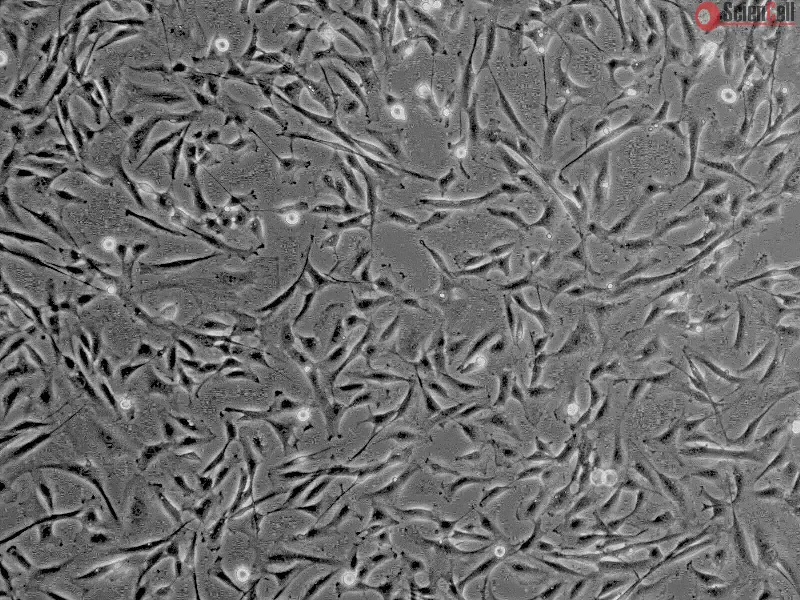
![Human Pulmonary Artery Smooth Muscle Cells [HPASMC] - Immunostaining for α-SMA, 400x.](https://sciencellonline.com/media/catalog/product/cache/1/608x608/human-pulmonary-artery-smooth-muscle-cells.webp)
![Human Pulmonary Artery Smooth Muscle Cells [HPASMC] - Immunostaining for α-SMA, 400x.](https://sciencellonline.com/media/catalog/product/cache/1/original/human-pulmonary-artery-smooth-muscle-cells.webp)


,-1-mg-ml--2.jpg)