The outer root sheath (ORS) of the hair follicle surrounds the hair fiber and inner root sheath. It is derived from the epidermis by downward growth. The ORS consists of basal, prickle cells and granular layers near the opening of the follicle onto the skin surface, and modified glycogen-rich prickle cells in the deeper parts of the follicle. The ORS contains several cell populations which play a role in certain functions of the hair follicle, such as serving as a sensory organ and an immunologic sentinel of the skin. A previous study showed that the ORS contains nestinexpressing stem cells, with a variable location of the nestin-expressing stem cells based on the hair cycle. The ORS further represents an alternate source of keratinocytes, which are suitable for skin replacement.
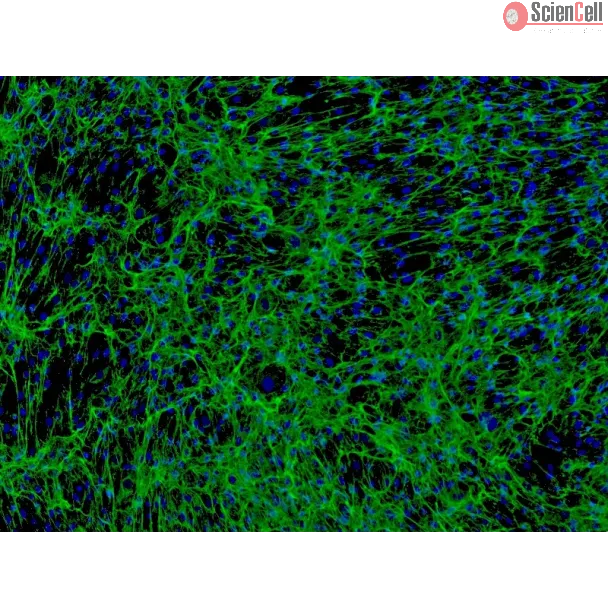
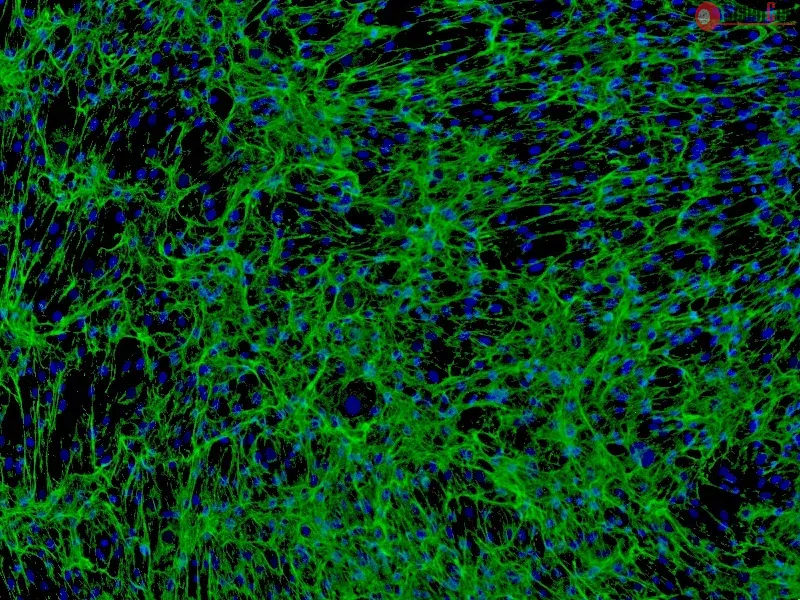
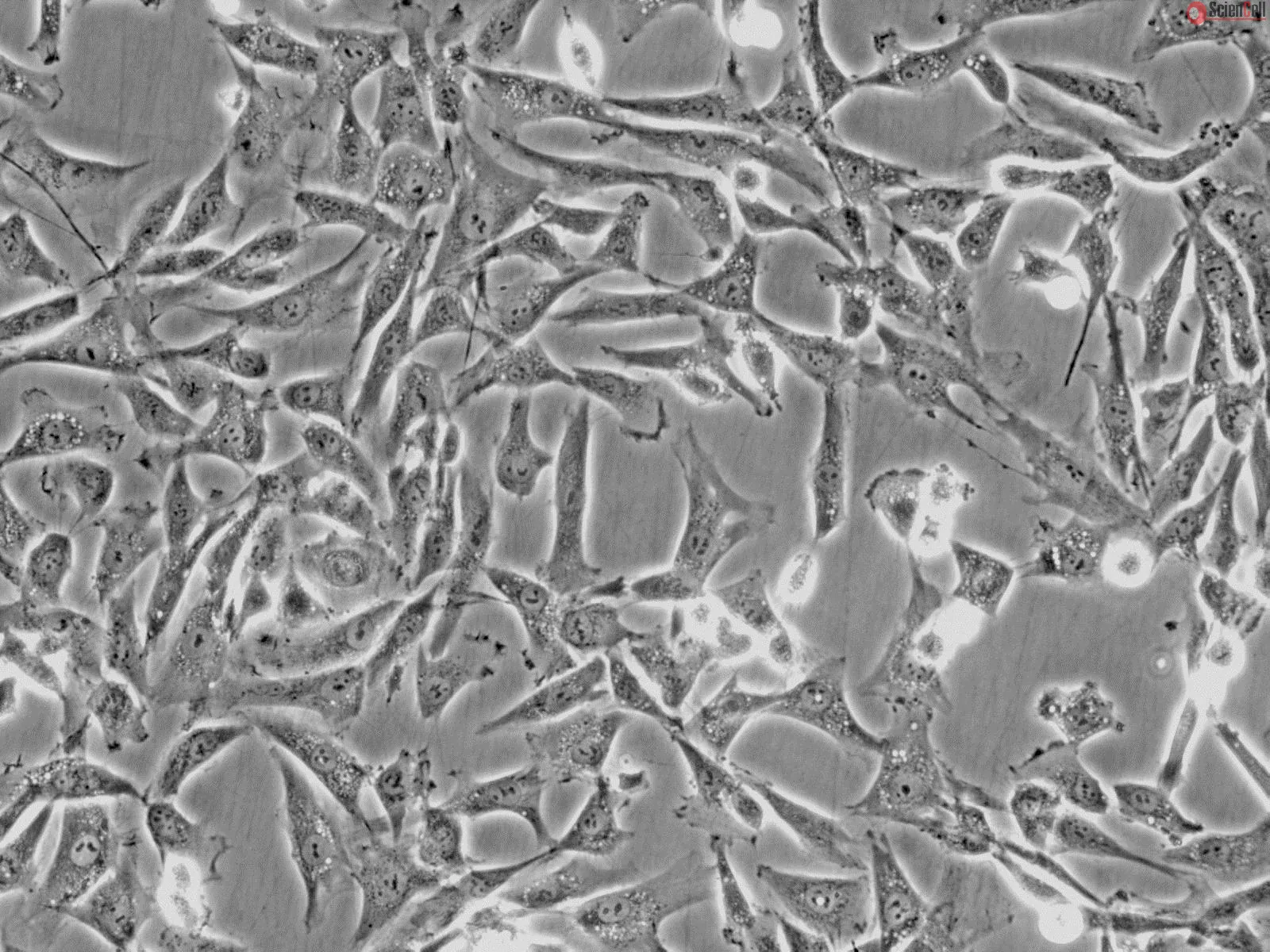
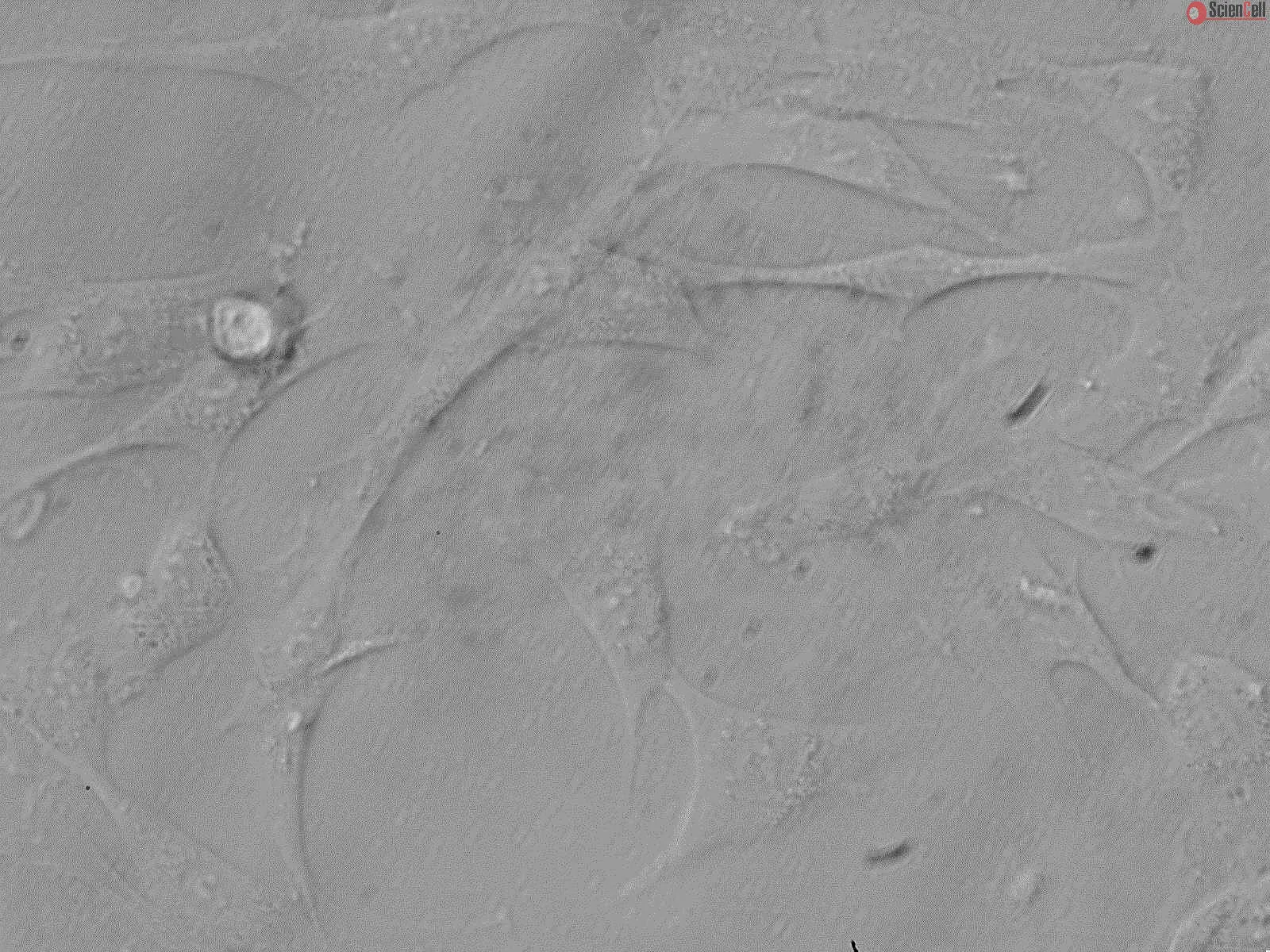
HHORSC from ScienCell Research Laboratories are isolated from human scalp. HHORSC are cryopreserved at passage one and delivered frozen. Each vial contains >5 x 10⁵ cells in 1 ml volume. HHORSC are characterized by their mesenchymal cell morphology and immunofluorescence with antibodies specific to fibronectin and/or CD105. HHORSC are negative for HIV-1, HBV, HCV, mycoplasma, bacteria, yeast, and fungi. HHORSC are guaranteed to further expand for 10 population doublings under the conditions provided by ScienCell Research Laboratories.
Recommended Medium
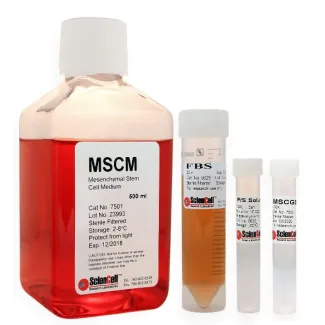
It is recommended to use Mesenchymal Stem Cell Medium (MSCM, Cat. #7501) for culturing HHORSC in vitro.
Product Sheets
 2420
2420
Search for a Certificate of Analysis by Lot Number below:
The keratin-associated proteins (KAPs) are the structural proteins of hair fibers and are thought to play an important role in determining the physical properties of hair... More
The keratin-associated proteins (KAPs) are the structural proteins of hair fibers and are thought to play an important role in determining the physical properties of hair fibers. These proteins are activated in a striking sequential and spatial pattern in the keratinocytes of hair fibers. Thus, it is important to elucidate the mechanism that underlies the specific transcriptional activity of these genes. In this study, sheep KRTAP 3–3 and KRTAP11-1 genes were found to be highly expressed in wool follicles in a tissue-specific manner. Subsequently, the promoter regions of the two genes that contained the 5′ flanking/5′ untranslated regions and the coding regions were cloned. Using an in vivo transgenic approach, we found that the promoter regions from the two genes exhibited transcriptional activity in hair fibers. A much stronger and more uniformly expressed green fluorescent signal was observed in the KRTAP11-1-ZsGreen1 transgenic mice. In situ hybridization revealed the symmetrical expression of sheep KRTAP11-1 in the entire wool cortex. Consistently, immunohistochemical analysis demonstrated that the pattern of ZsGreen1 expression in the hair cortex of transgenic mice matches that of the endogenous KRTAP11-1 gene, indicating that the cloned promoter region contains elements that are sufficient to govern the wool cortex-specific transcription of KRTAP11-1. Furthermore, regulatory regions in the 5′ upstream sequence of the sheep KRTAP11-1 gene that may regulate the observed hair keratinocyte specificity were identified using in vivo reporter assays. Less
Primary cicatricial alopecia (PCA) is a group of inflammatory hair disorders that cause scarring and permanent hair loss. Previous studies have implicated PPARγ, a trans... More
Primary cicatricial alopecia (PCA) is a group of inflammatory hair disorders that cause scarring and permanent hair loss. Previous studies have implicated PPARγ, a transcription factor that integrates lipogenic and inflammatory signals, in the pathogenesis of PCA. However, it is unknown what triggers the inflammatory response in these disorders, whether the inflammation is a primary or secondary event in disease pathogenesis, and whether the inflammatory reaction reflects an autoimmune process. In this paper, we show that the cholesterol biosynthetic pathway is impaired in the skin and hair follicles of PCA patients. Treatment of hair follicle cells with BM15766, a cholesterol biosynthesis inhibitor, or 7-dehydrocholesterol (7-DHC), a sterol precursor, stimulates the expression of pro-inflammatory chemokine genes. Painting of mouse skin with 7-DHC or BM15766 inhibits hair growth, causes follicular plugging and induces the infiltration of inflammatory cells into the interfollicular dermis. Our results demonstrate that cholesterologenic changes within hair follicle cells trigger an innate immune response that is associated with the induction of toll-like receptor (TLR) and interferon (IFN) gene expression, and the recruitment of macrophages that surround the hair follicles and initiate their destruction. These findings reveal a previously unsuspected role for cholesterol precursors in PCA pathogenesis and identify a novel link between sterols and inflammation that may prove transformative in the diagnosis and treatment of these disorders. Less
Primary cicatricial or scarring alopecias (CA) are a group of inflammatory hair disorders of unknown pathogenesis characterized by the permanent destruction of the hair f... More
Primary cicatricial or scarring alopecias (CA) are a group of inflammatory hair disorders of unknown pathogenesis characterized by the permanent destruction of the hair follicle. The current treatment options are ineffective in controlling disease progression largely because the molecular basis for CA is not understood. Microarray analysis of the lymphocytic CA, Lichen planopilaris (LPP), compared to normal scalp biopsies identified decreased expression of genes required for lipid metabolism and peroxisome biogenesis. Immunohistochemical analysis showed progressive loss of peroxisomes, proinflammatory lipid accumulation, and infiltration of inflammatory cells followed by destruction of the pilosebaceous unit. The expression of peroxisome proliferator-activated receptor (PPAR) gamma, a transcription factor that regulates these processes, is significantly decreased in LPP. Specific agonists of PPARgamma are effective in inducing peroxisomal and lipid metabolic gene expression in human keratinocytes. Finally, targeted deletion of PPARgamma in follicular stem cells in mice causes a skin and hair phenotype that emulates scarring alopecia. These studies suggest that PPARgamma is crucial for healthy pilosebaceous units and it is the loss of this function that triggers the pathogenesis of LPP. We propose that PPARgamma-targeted therapy may represent a new strategy in the treatment of these disorders. Less
ScienCell Research Laboratories (SRL) takes pride in being a resource for researchers all over the world. The publications listed here are not meant as an endorsement or confirmation of the reliability of the products.

,-1-mg-ml--2.jpg)