Human Adrenal Fibroblasts
The adrenal gland plays an essential role in regulating homeostasis in the body through the secretion of corticosteroid and androgen hormones. Fibroblasts are mesenchymal cells derived from the embryonic mesoderm. They have been extensively used for a wide range of cellular and molecular studies, as they are one of the easiest types of cells to grow in culture. Their durability makes them amenable to a variety of manipulations ranging from gene transfection to microinjection. Fibroblasts secrete a non-rigid extracellular matrix that is rich in type I and/or type III collagen. They are responsible for much of the synthesis of extracellular matrix in connective tissues and play a central role in wound healing. Many diseases are associated with fibroblasts, either because fibroblasts are implicated in their etiology or because of the fibrosis that accompanies damage to other cell types in tissues. For example, the development of bowel stenosis in Crohn’s disease patients is caused by extreme fibroblast proliferation and extracellular matrix expansion.
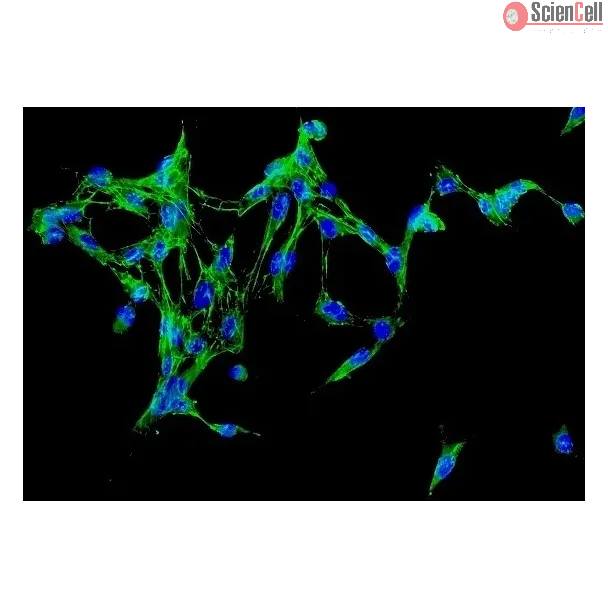
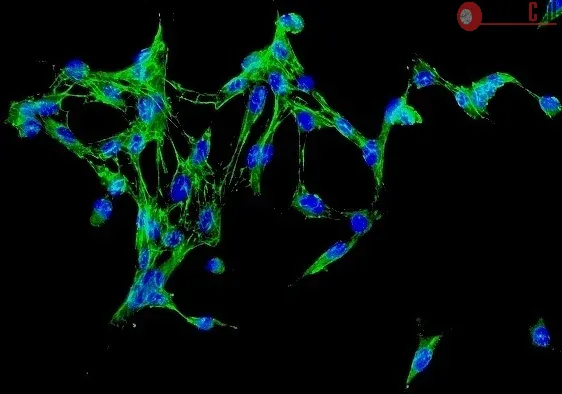
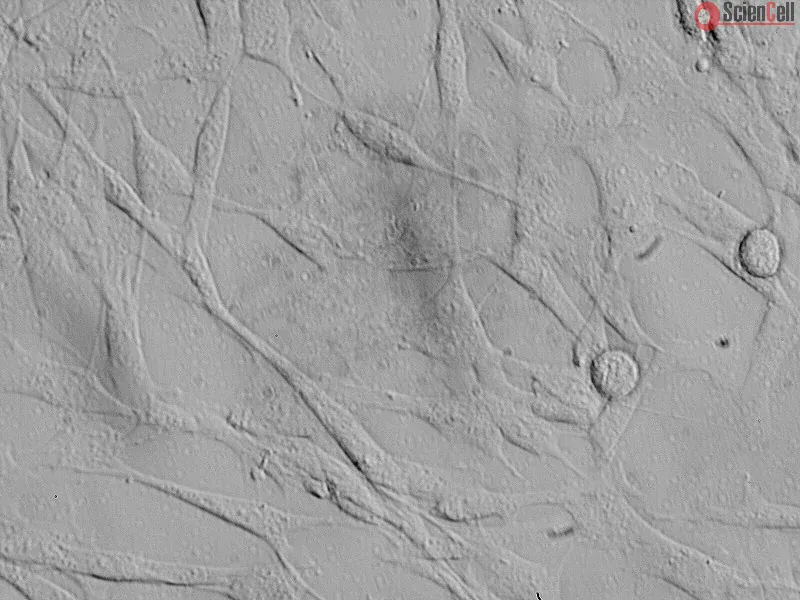
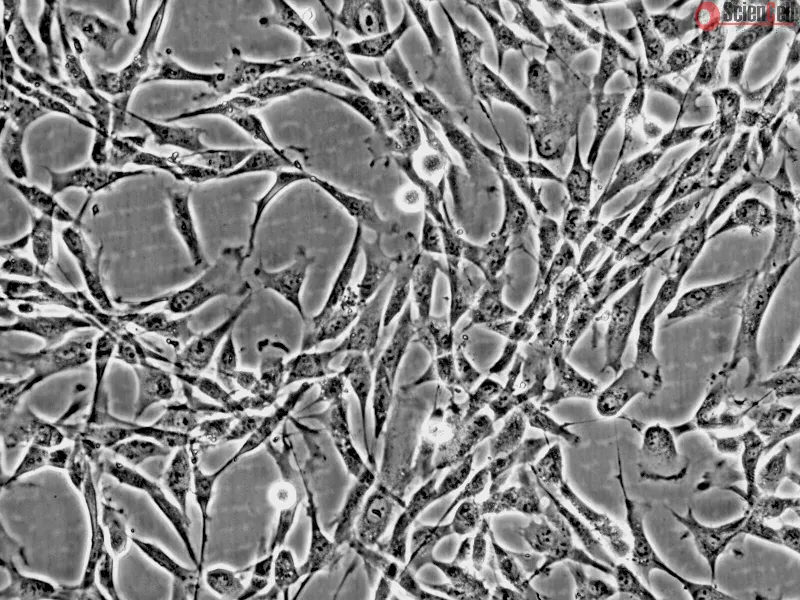
HAdF from ScienCell Research Laboratories are isolated from human adrenal tissue. HAdF are cryopreserved at passage one and delivered frozen. Each vial contains >5 x 10⁵ cells in 1 ml volume. HAdF are characterized by their spindle morphology and immunofluorescence with antibody specific to fibronectin. HAdF are negative for HIV-1, HBV, HCV, mycoplasma, bacteria, yeast and fungi. HAdF are guaranteed to further expand for 15 population doublings under the
conditions provided by ScienCell Research Laboratories.
Recommended Medium
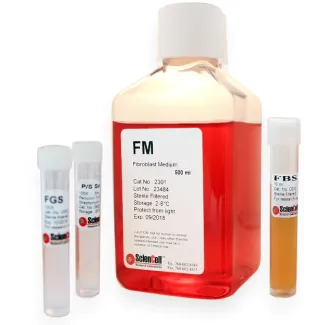
It is recommended to use Fibroblast Medium (FM, Cat. No. 2301) for the culturing of HAdF in vitro
| Catalog No. | 3630 |
|---|---|
| Country of Manufacture | United States |
| Product Code | HAdF |
| Size/Quantity | 5 x 10^5 cells/vial |
| Product use | This product is for research use only. It is not approved for use in humans, animals, or in vitro diagnostic procedures. |
| Storage | Directly and immediately transfer cells from dry ice to liquid nitrogen upon receiving and keep the cells in liquid nitrogen until cell culture needed for experiments. |
| Shipping | Dry ice. |
Product Sheets

Search for a Certificate of Analysis by Lot Number below:
Find answers to common questions about ScienCell products, cell culture, handling, and research applications.
ScienCell Research Laboratories (SRL) takes pride in being a resource for researchers all over the world. The publications listed here are not meant as an endorsement or confirmation of the reliability of the products.
,-1-mg-ml--2.jpg)