
GeneQuery™ Human Esophageal Cancer qPCR Array Kit

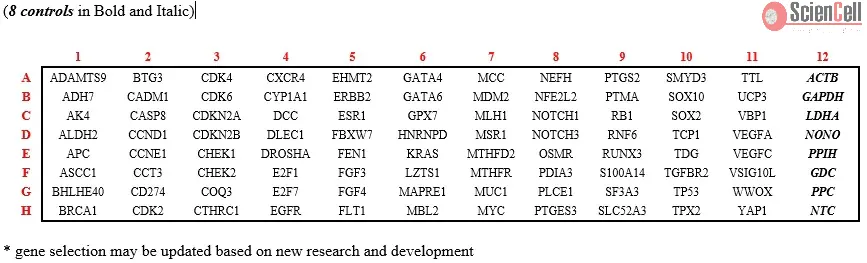
ScienCell’s GeneQuery™ Human Esophageal Cancer qPCR Array Kit (GQH-ESC) is designed to facilitate gene expression profiling of 88 key genes associated with the risks of esophageal cancer.
-
This Item:
$233.00
-
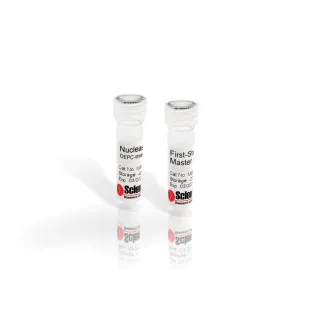
First-Strand cDNA Synthesis Master Mix, 4x
$207.00
-
GoldNStart TaqGreen qPCR Master Mix
As low as $82.00
ScienCell’s GeneQuery™ Human Esophageal Cancer qPCR Array Kit (GQH-ESC) is designed to facilitate gene expression profiling of 88 key genes associated with the risks of esophageal cancer. Esophageal cancer types include esophageal squamous cell carcinoma (ESCC) and esophageal adenocarcinoma (EAC). ESCC is the most prevalent form of esophageal cancer worldwide, while EAC is the most prevalent form in the United States. Esophageal cancer makes up about 1% of all cancers diagnosed in the United States and is even more common in other parts of the world. Brief examples of how included genes may be grouped according to their functions are shown below:
- Biomarkers with increased esophageal cancer risk: ALDH2, ASCC1, CASP8, CYP1A1, FEN1, MBL2, PTGS2, TDG, UCP3, VSIG10L
- Commonly amplified in esophageal cancer: CCND1, CCNE1, ERBB2, FGF3, FGF4, GATA4, GATA6, VEGFA
- Indicates treatment radioresistance: AK4, BRCA1, CDK6, KRAS, YAP1
- Significantly upregulated in esophageal cancer: CCT3, EHMT2, PTGES3, SOX10
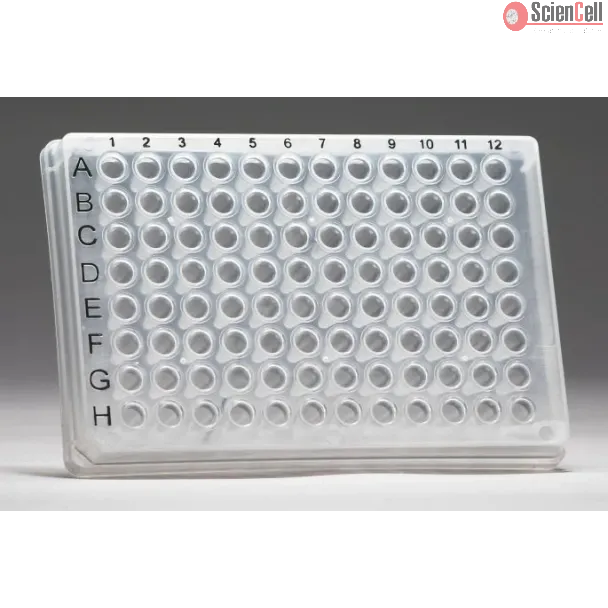
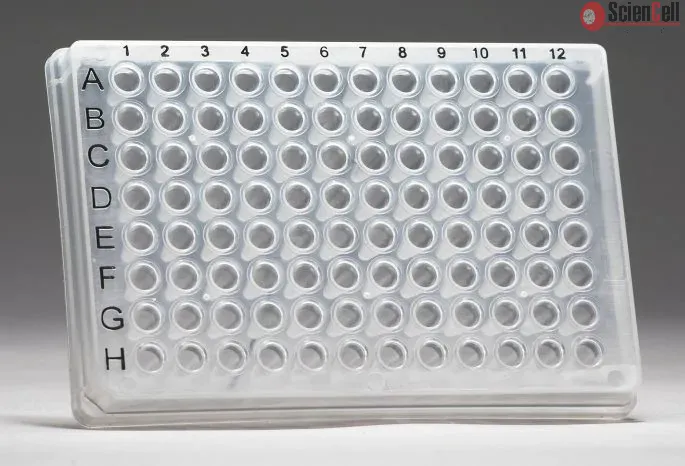
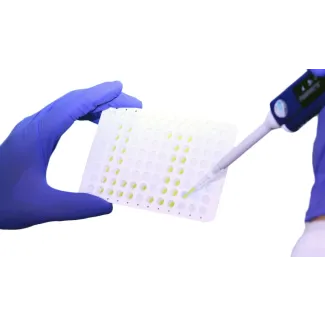
GeneQuery™ qPCR array kits are qPCR ready in a 96-well plate format, with each well containing one primer set that can specifically recognize and efficiently amplify a target gene's cDNA. The carefully designed primers ensure that: (i) the optimal annealing temperature in qPCR analysis is 65°C (with 2 mM Mg2+, and no DMSO); (ii) the primer set recognizes all known transcript variants of target gene, unless otherwise indicated; and (iii) only one gene is amplified. Each primer set has been validated by qPCR with melt curve analysis, and gel electrophoresis.
| Catalog No. | GK133 |
|---|---|
| Country of Manufacture | United States |
| Product Code | GQH-ESC |
| Size/Quantity | One 96-well plate, one 20ul reaction per well. |
| Product use | This product is for research use only. It is not approved for human or animal use, or for application in in vitro diagnostic procedures. |
| Storage | Upon receipt, the product should be stored at 4°C and is good for up to 12 months. For long-term storage (>1 year), store the product at -20°C in a manual defrost freezer |
| Shipping | Ambient Temperature. |
Product Sheets

Search for a Certificate of Analysis by Lot Number below:
Find answers to common questions about ScienCell products, cell culture, handling, and research applications.
No Publication available at this time.