Ready-to-use 3D Human Hepatic Stellate Cell Monoculture Spheroids
ScienCell's hepatic stellate cells (HSC) spheroids are great models for studying the signaling pathways that govern the hepatic stellate cell activation during liver diseases. Our data reveals that culturing HSC in a physiologically-relevant 3D environment brings these cells back to their native quiescent state.
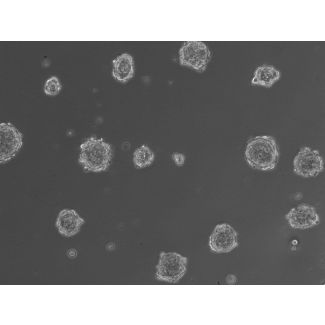
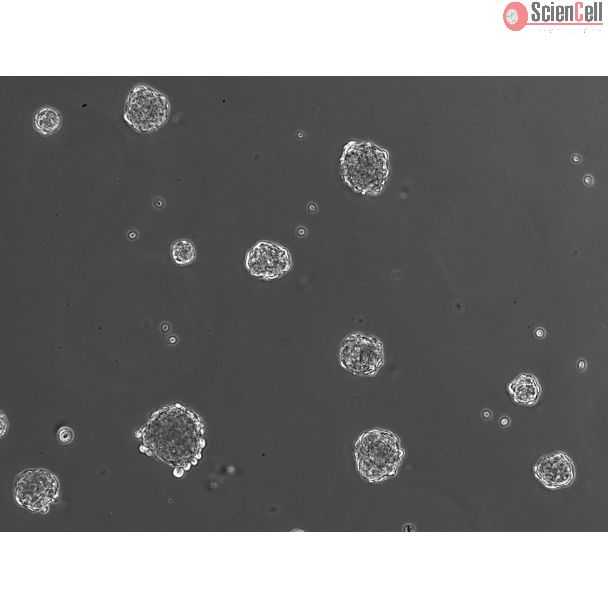
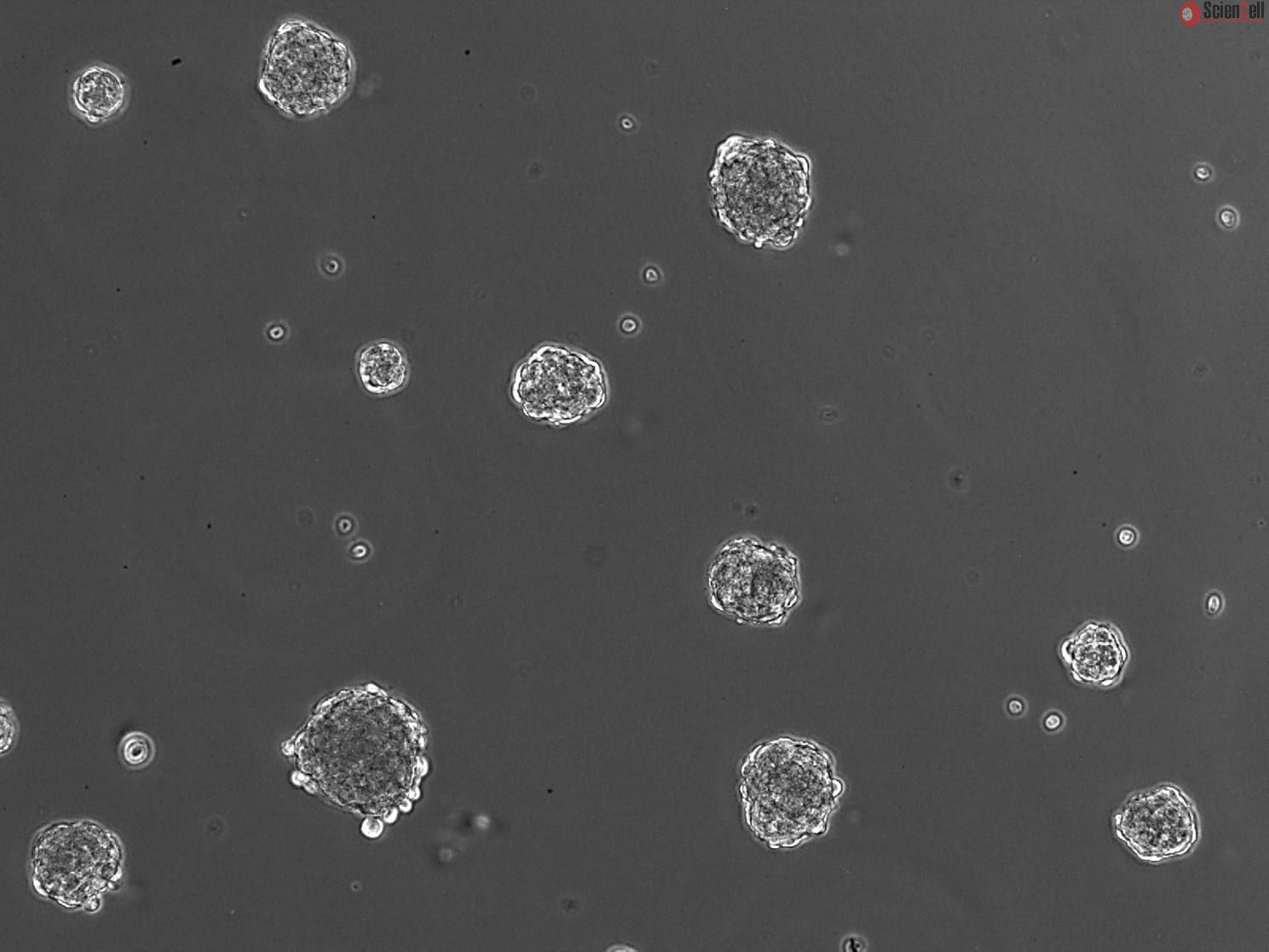
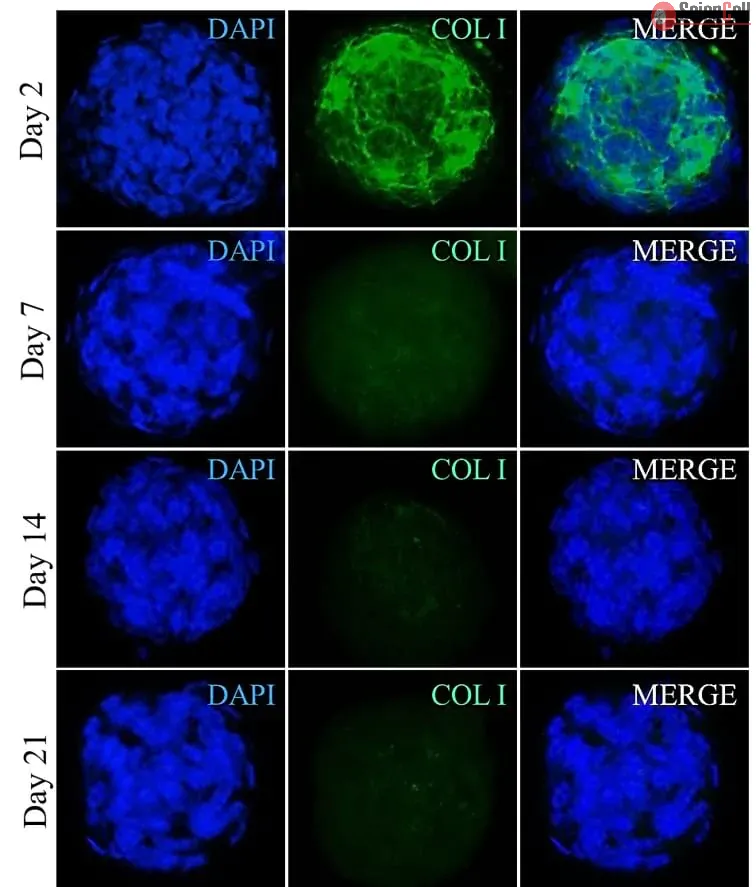
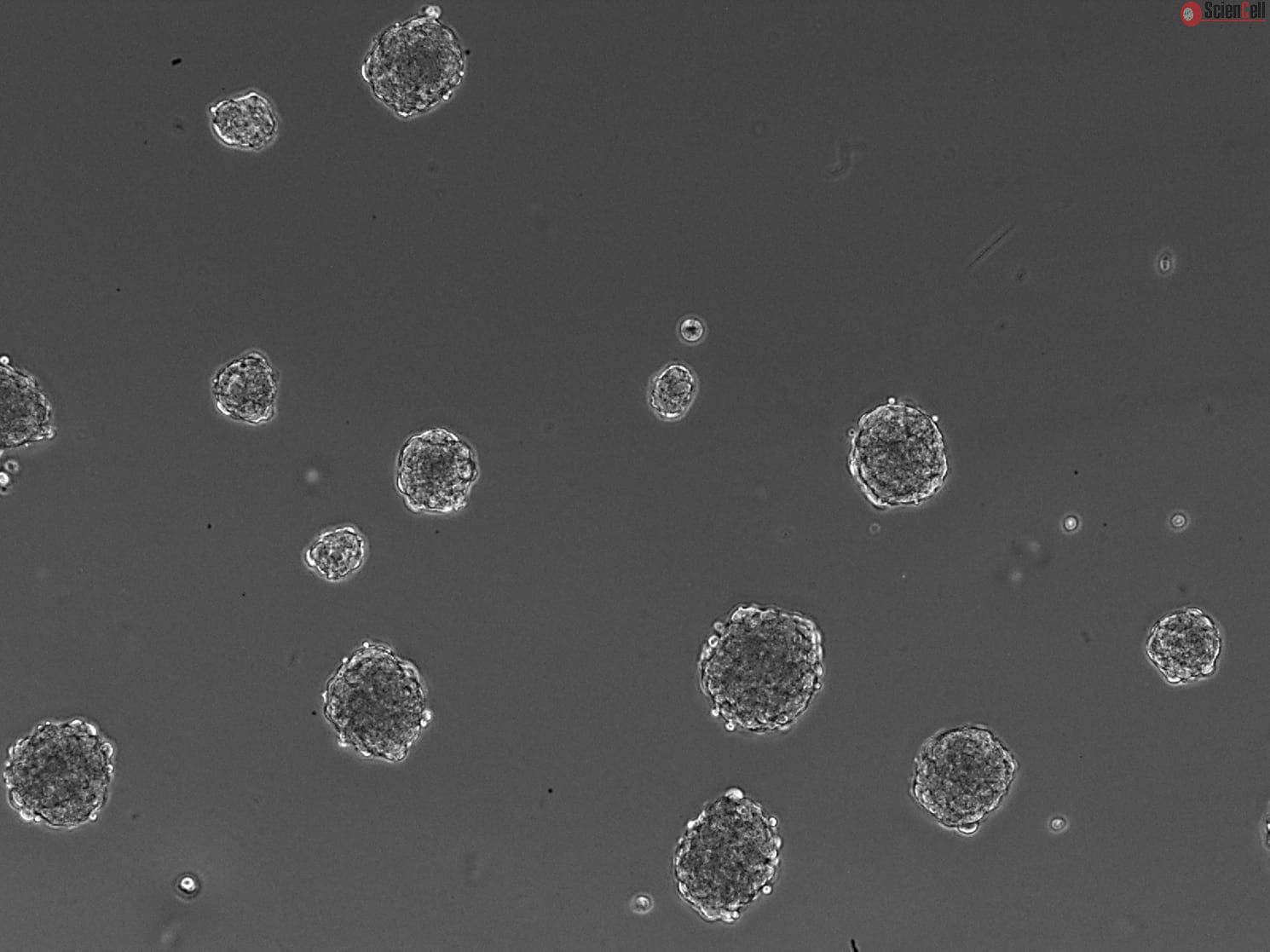
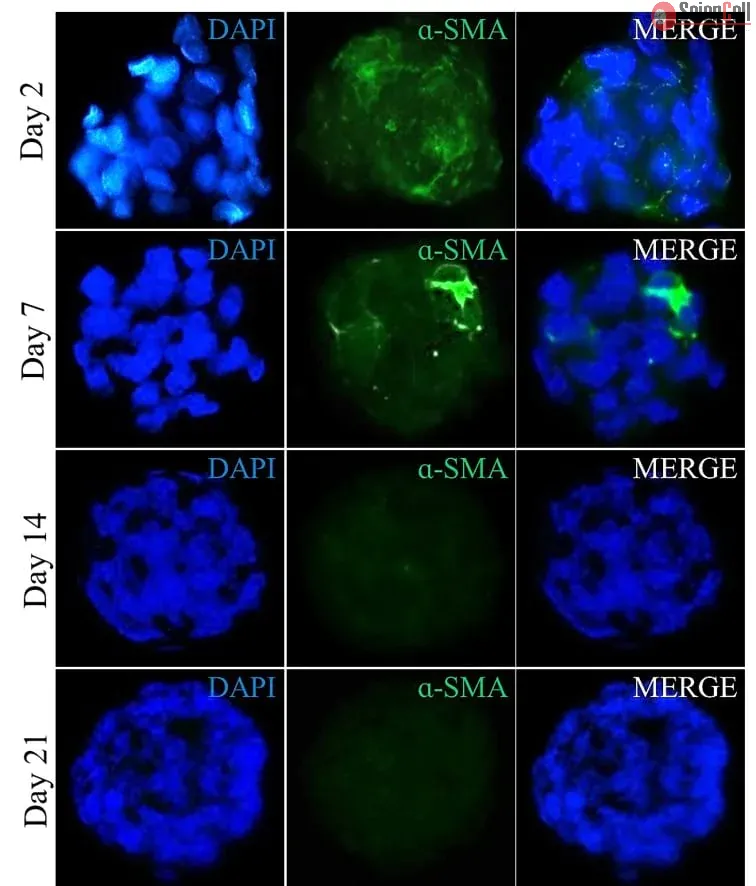
Liver fibrosis is the typical response to liver injuries. It is characterized by an excessive deposition of extracellular matrix (ECM) protein, which impairs normal liver function and can ultimately lead to cirrhosis and organ failure [1, 2]. Activated hepatic stellate cells (HSC) are the primary source of excess ECM in liver fibrosis [1, 2]. In the normal liver, HSC are in a quiescent state and store retinoids. Following liver injury, HSC are activated and transdifferentiate into a myofibroblast-like phenotype [1, 2]. At present, it is not yet clear which specific genes are responsible for initiating and maintaining the fibrotic response. The in vitro liver models are commonly used to study liver fibrosis. HSC, however, are always activated in 2D monolayer culture, impeding the investigation on the role of HSC during liver diseases. ScienCell has developed ready-to-use 3D hepatic stellate cell monoculture spheroids (SP3D-HHSteCMS) using human primary hepatic stellate cells (Fig. 1). Our immunostaining data shows the clearance of collagen deposition and the a-SMA expression after culturing HSC in 3D culture for a week (Fig. 2 and 3). Therefore, culturing HSC in a physiologically-relevant 3D environment brings these cells back to their native quiescent state. ScienCell's HSC spheroids are, therefore, great models for studying the signaling pathways that govern the hepatic stellate cell activation process during liver diseases.
| 目录编号 | SP3D-8750 |
|---|---|
| 制造国家 | 美国 |
| 产品编码 | SP3D-HHSteCMS |
| 规格/数量 | 1 Kit |
| 产品用途 | 本产品仅供研究使用。未经批准,不得用于人体、动物或体外诊断程序。 |
| 储存 | 请参阅产品说明书。 |
| 运输 | SP-8750、3D-5352、0004 和 0583 使用干冰运输。3D-5201 和(0343 或 0353 或 0383)常温运输。 |
Product Sheets

Search for a Certificate of Analysis by Lot Number below:
Find answers to common questions about ScienCell products, cell culture, handling, and research applications.
No Publication available at this time.