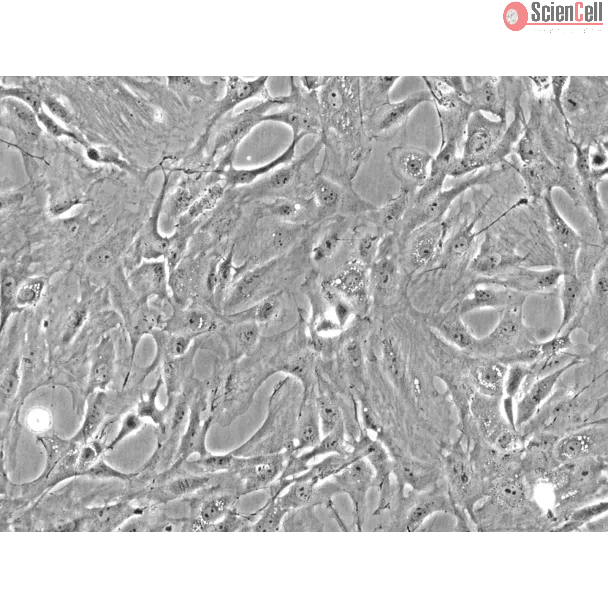
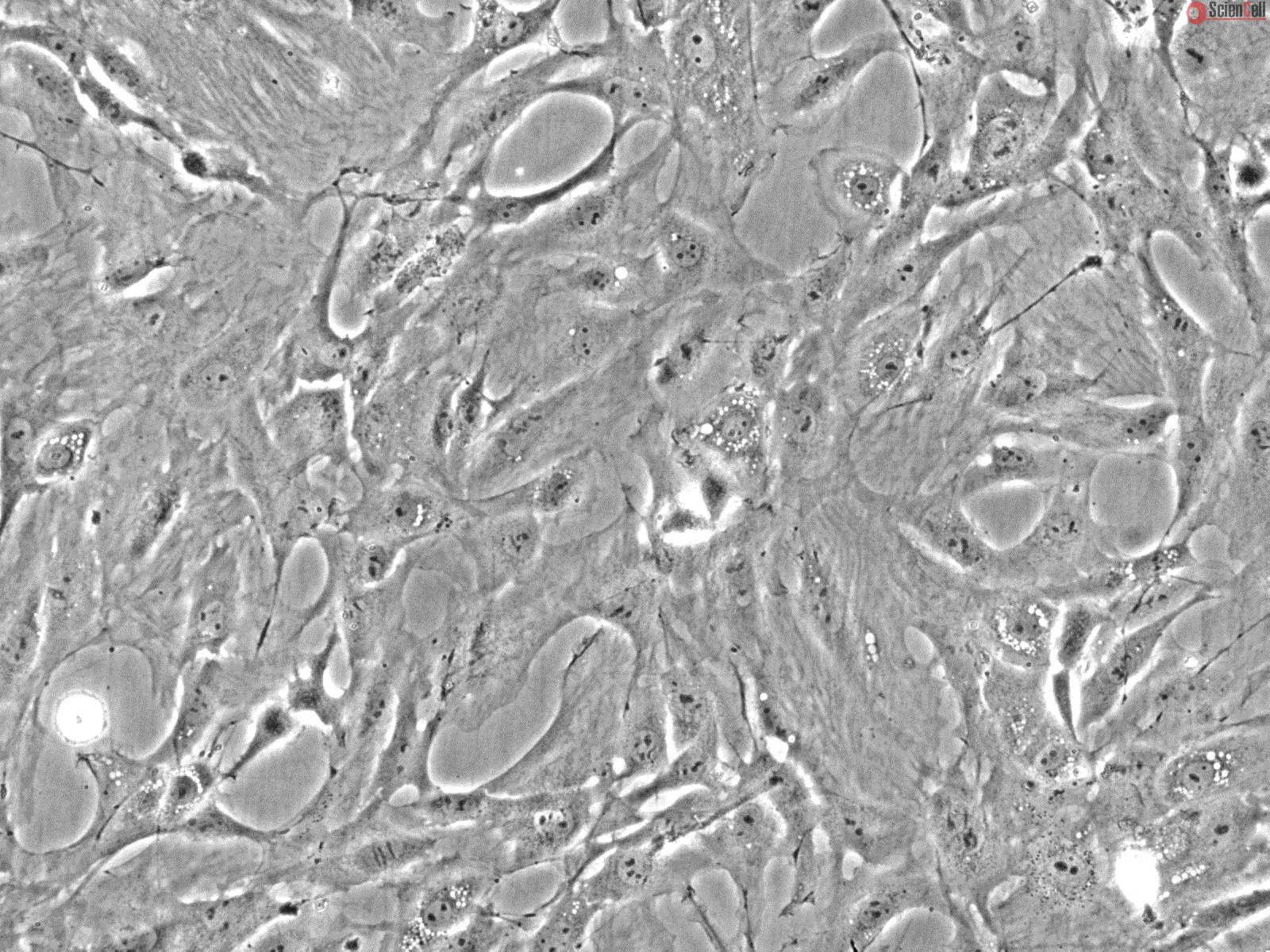
大鼠肺成纤维细胞
分离自大鼠肺。大鼠肺成纤维细胞(RPF) 在第一代(P1)时进行冻存,并以冷冻状态提供。每瓶含有 >5 × 10⁵ 个细胞,体积为 1 mL。
Related Promotion:
Get 10% off with code Fall20
*Select products only. Mention the code at checkout; discount applied to invoice.The most abundant cell type in the lung interstitium is the fibroblast. These fibroblasts resemble ordinary fibroblasts, but also possess some distinguishing features such as long, branching processes and gap junctions. Pulmonary fibroblasts function to produce type III collagen, elastin, and proteoglycans of the extracellular matrix of the alveolar septa. They play an important role in the repair and remodeling processes following tissue damage. The controlled accumulation of fibroblasts to sites of inflammation is crucial to effective tissue repair after injury. An inadequate or an excessive accumulation of fibroblasts can result in abnormal tissue function. For example, excess proliferation of fibroblasts contributes to adventitial thickening observed during the development of hypoxia-induced pulmonary hypertension.
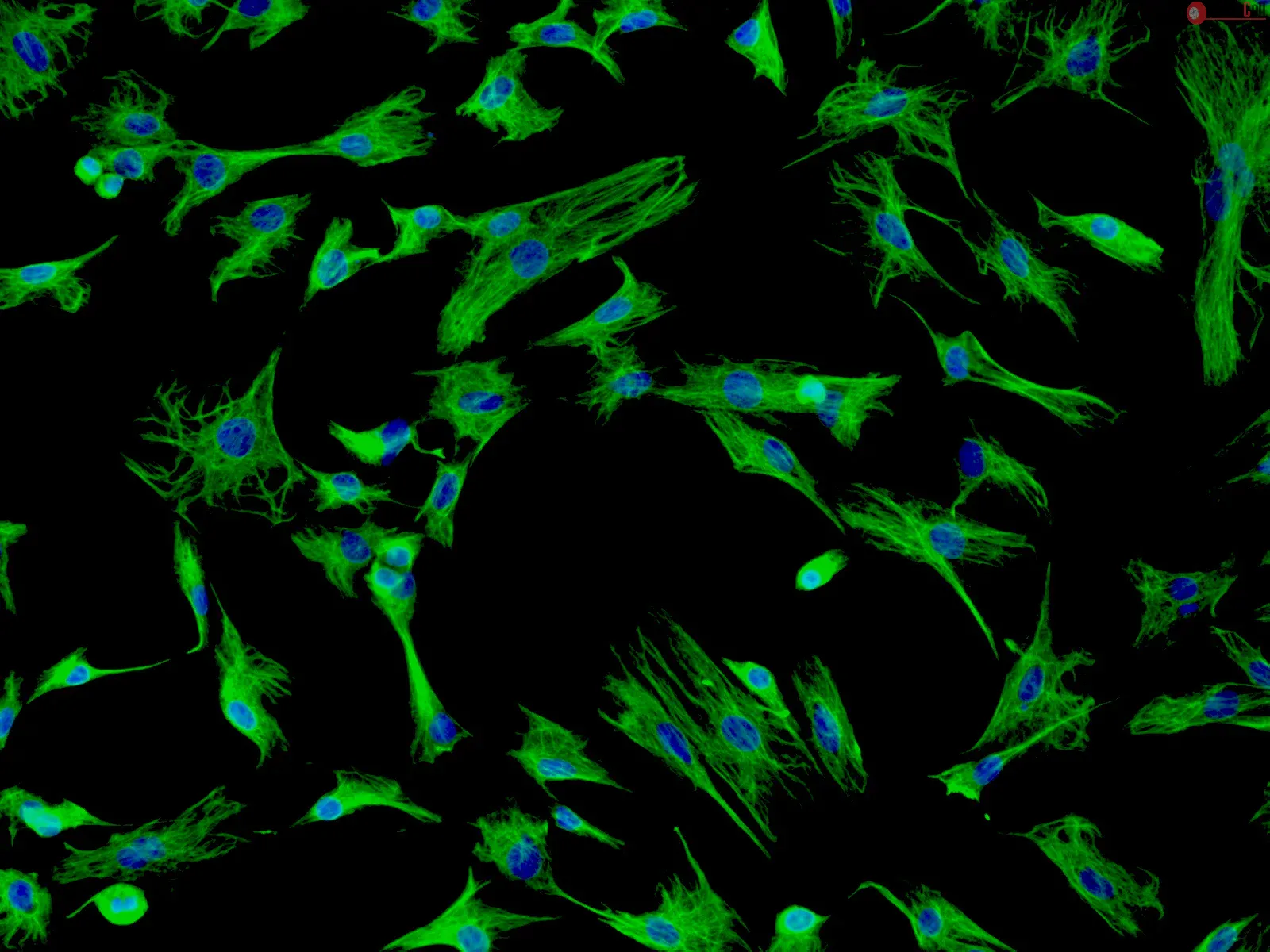
RPF from ScienCell Research Laboratories are isolated from rat lung. RPF are cryopreserved at passage one and delivered frozen. Each vial contains >5 x 10⁵ cells in 1 ml volume. RPF are characterized by immunofluorescence with antibody specific to fibronectin. RPF are negative for mycoplasma, bacteria, yeast, and fungi. HPF are guaranteed to further expand for 5 population doublings under the conditions provided by ScienCell Research Laboratories.
Recommended Medium
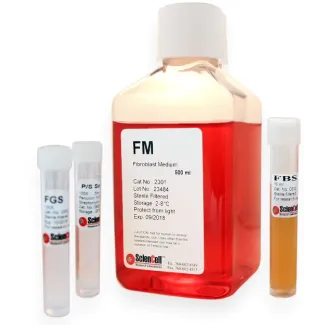
It is recommended to use Fibroblast Medium (FM, Cat. #2301) for culturing RPF in vitro.
肺间质中最丰富的细胞类型是成纤维细胞。这些成纤维细胞与普通成纤维细胞相似,但也具有一些特征,例如细长的分支状突起和缝隙连接。肺成纤维细胞负责生成肺泡隔细胞外基质中的 III 型胶原蛋白、弹性蛋白和蛋白聚糖。它们在组织损伤后的修复和重塑过程中发挥重要作用。成纤维细胞受控地聚集于炎症部位,对于损伤后的有效组织修复至关重要。成纤维细胞聚集不足或过度聚集均可能导致组织功能异常。例如,成纤维细胞过度增殖会促进缺氧诱导的肺动脉高压发生过程中所观察到的外膜增厚。
ScienCell Research Laboratories 的 大鼠肺成纤维细胞(RPF) 分离自大鼠肺,于第一代(P1)进行冻存,并以冷冻状态提供。每瓶含有 >5 × 10⁵ 个细胞,体积为 1 mL。RPF 通过免疫荧光法,采用针对纤连蛋白(fibronectin)的特异性抗体进行表征。RPF 经检测为支原体、细菌、酵母菌和真菌阴性。在 ScienCell Research Laboratories 提供的培养条件下,RPF 可进一步扩增至少 5 个群体倍增。
推荐培养基
建议使用成纤维细胞培养基(FM,产品编号 2301)进行 RPF 的体外培养。
| 目录编号 | R3300 |
|---|---|
| 制造国家 | 美国 |
| 产品编码 | RPF |
| 规格/数量 | 5 x 10^5 cells/vial |
| 产品用途 | 本产品仅供研究使用。未经批准,不得用于人体、动物或体外诊断程序。 |
| 储存 | 收到后请立即将细胞从干冰直接转移至液氮中,并在进行细胞培养实验前始终保存在液氮中。 |
| 运输 | 干冰。 |
Product Sheets

Search for a Certificate of Analysis by Lot Number below:
Find answers to common questions about ScienCell products, cell culture, handling, and research applications.
No Publication available at this time.