大鼠主动脉平滑肌细胞
大鼠主动脉平滑肌细胞(RASMC)分离自大鼠主动脉。细胞经纯化后冻存,并以冷冻状态提供。每支冻存管含 5 × 10⁵ 个以上细胞,冻存体积为 1 mL。
Related Promotion:
Get 10% off with code Fall20
*Select products only. Mention the code at checkout; discount applied to invoice.Smooth muscle cells (SMC) are primary contributors to the development of arterial disease [1]. The ability of vascular SMC to switch to a proliferative phenotype is one of the main factors in the development and progression of vascular disease. Recent studies have demonstrated that SMC express calcium channels [2], ICAM-1, and VCAM-1. The expression of ICAM-1 and VCAM-1 on SMC may contribute to the inflammatory reaction in the vascular wall and may actively be involved in the progression of vascular disease [3]. Vascular SMC in culture play an important role in vascular disease research and can be used to identify new therapeutic targets to treat arterial disease.
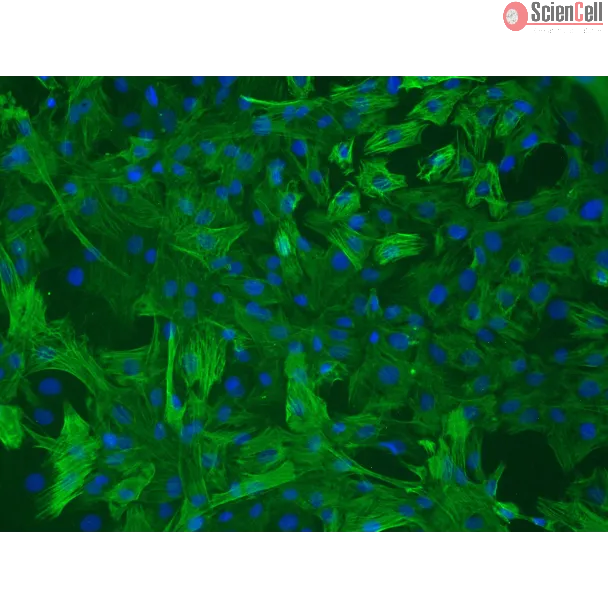
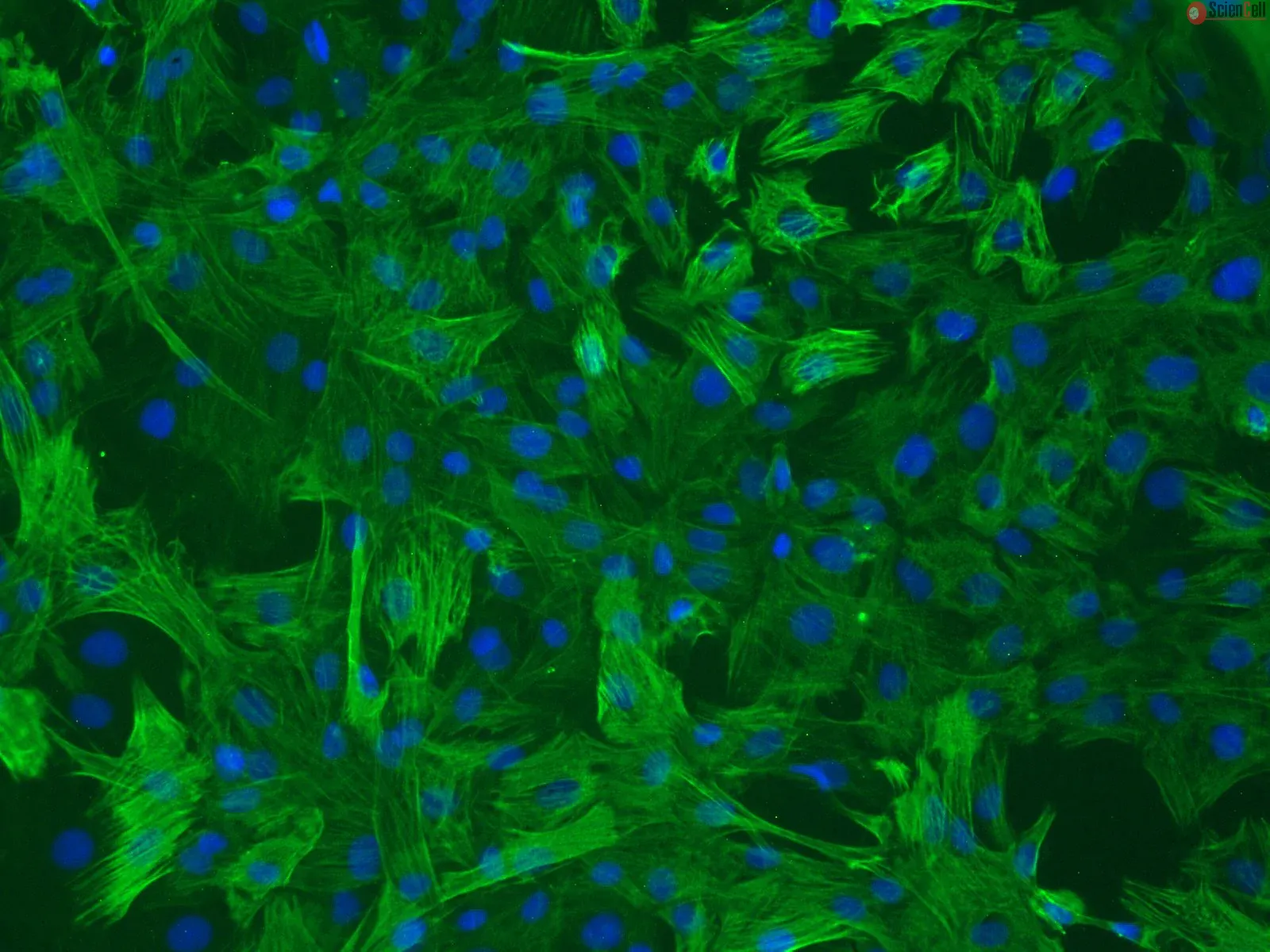
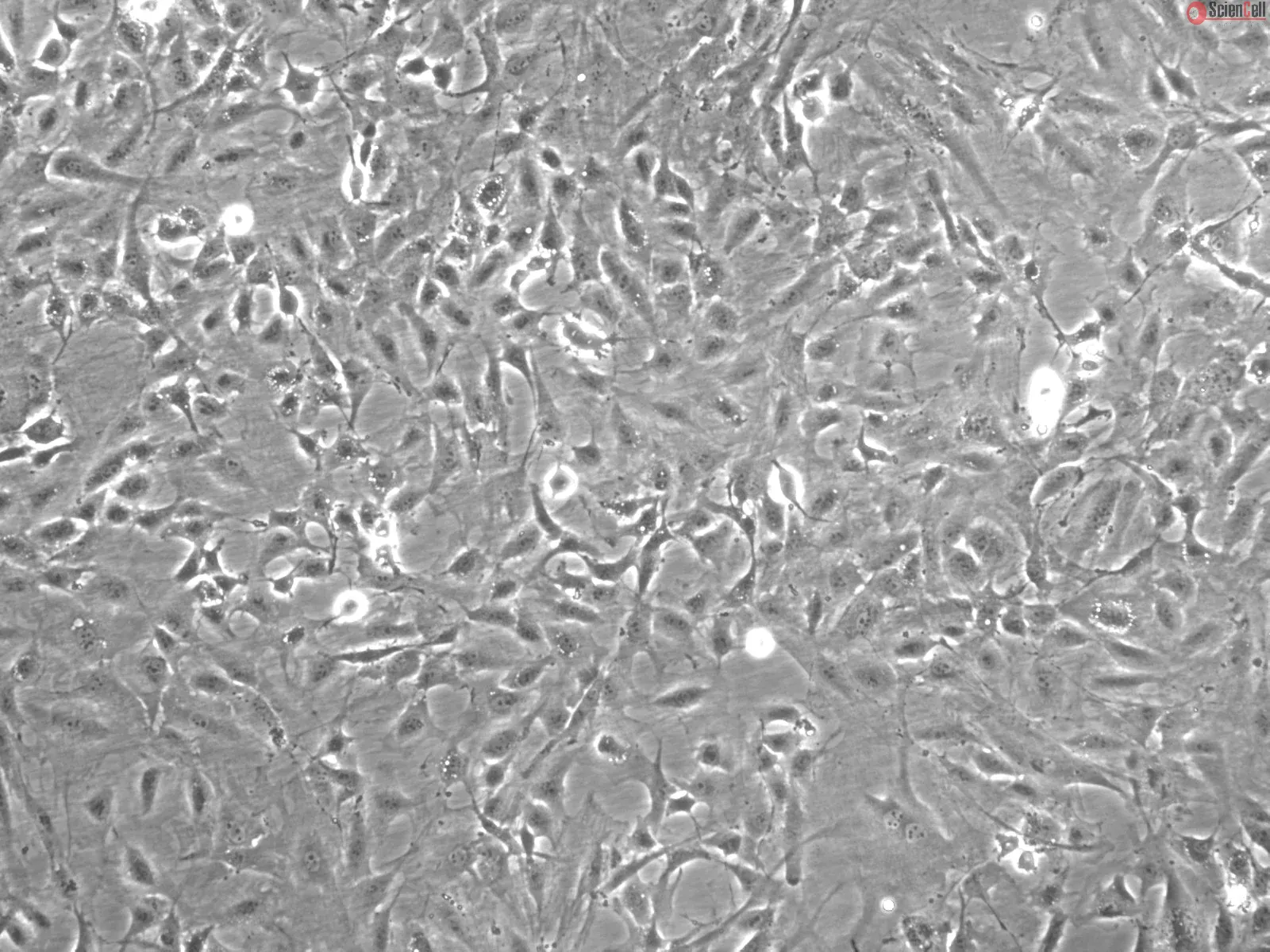
RASMC from ScienCell Research Laboratories are isolated from rat aorta. RASMC are cryopreserved after purification and delivered frozen. Each vial contains >5 x 10⁵ cells in 1 ml volume. RASMC are characterized by immunofluorescence with antibodies specific to α-smooth muscle actin. RASMC are negative for mycoplasma, bacteria, yeast, and fungi. RASMC are guaranteed to further expand for 5 population doublings under the conditions specified by ScienCell Research Laboratories.
Recommended Medium
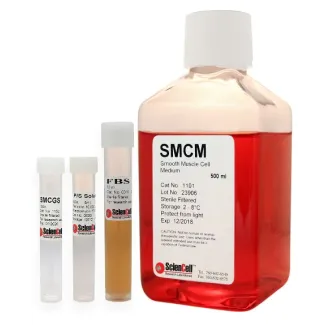
It is recommended to use Smooth Muscle Cell Medium (SMCM, Cat. #1101) for culturing RASMC in vitro.
平滑肌细胞(SMC)是动脉疾病发生发展的主要参与细胞之一[1]。血管平滑肌细胞向增殖表型转变的能力,是血管疾病发生和进展的重要因素之一。近年来的研究表明,平滑肌细胞可表达钙离子通道[2]、细胞间黏附分子-1(ICAM-1)以及血管细胞黏附分子-1(VCAM-1)。ICAM-1和VCAM-1在平滑肌细胞上的表达可能促进血管壁炎症反应,并积极参与血管疾病的进展过程[3]。体外培养的血管平滑肌细胞在血管疾病研究中发挥着重要作用,可用于发现治疗动脉疾病的新型治疗靶点。
ScienCell的大鼠主动脉平滑肌细胞(RASMC)分离自大鼠主动脉。细胞经纯化后冻存,并以冷冻状态提供。每支冻存管含5 × 10⁵个以上细胞,冻存体积为1 mL。RASMC经针对α-平滑肌肌动蛋白(α-smooth muscle actin)的特异性抗体进行免疫荧光鉴定。经检测,细胞不含支原体、细菌、酵母和真菌污染。在按照ScienCell Research Laboratories规定的培养条件下,RASMC保证可继续扩增5次群体倍增(Population Doublings)。
推荐培养基
推荐使用平滑肌细胞培养基(Smooth Muscle Cell Medium,SMCM,产品编号:1101)对RASMC进行体外培养。
| 目录编号 | R6110 |
|---|---|
| 制造国家 | 美国 |
| 产品编码 | RASMC |
| 规格/数量 | 5 x 10^5 cells/vial |
| 产品用途 | 本产品仅供研究使用。未经批准,不得用于人体、动物或体外诊断程序。 |
| 储存 | 收到后请立即将细胞从干冰直接转移至液氮中,并在进行细胞培养实验前始终保存在液氮中。 |
| 运输 | 干冰。 |
Product Sheets

Search for a Certificate of Analysis by Lot Number below:
Find answers to common questions about ScienCell products, cell culture, handling, and research applications.
No Publication available at this time.