
兔肝星状细胞
RabHSteC 由 ScienCell Research Laboratories 提供,分离自兔肝组织。RabHSteC 在第一代(P1)时进行冷冻保存,并以冻存状态交付。每瓶含有 >5 × 10⁵ 个细胞,体积为 1 ml。
Hepatic stellate cells (HSteC) are mesenchymal cells that are located between sinusoidal endothelial cells and hepatocytes in the space of Disse or perisinusoidal space and represent about 5-10% of cells in the liver. HSteC play a critical role in liver homeostasis and perform a diverse set of functions. In a normal healthy liver, stellate cells are quiescent and store vitamin A droplets. Additionally, stellate cells are involved in vasoregulation, monitoring extracellular matrix deposition, and the production of factors that stimulate hepatocyte regeneration. In response to liver damage, stellate cells receive signals from hepatocytes, hepatic sinusoidal endothelial cells, and immune cells to activate. Once given the signal to activate, HSteC transdifferentiate into myofibroblasts and produce extracellular matrix (ECM), such as collagen type I and III. Paradoxically, while stellate cells play a key role in liver repair and regeneration, they also promote the progression of liver disease by their continuous deposition of ECM. Understanding the role of HSteC in liver fibrosis will help drive the development of novel therapeutics for liver disease.
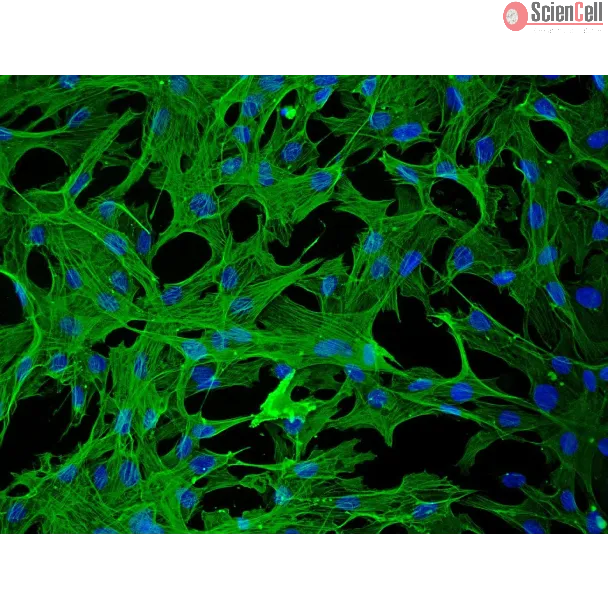
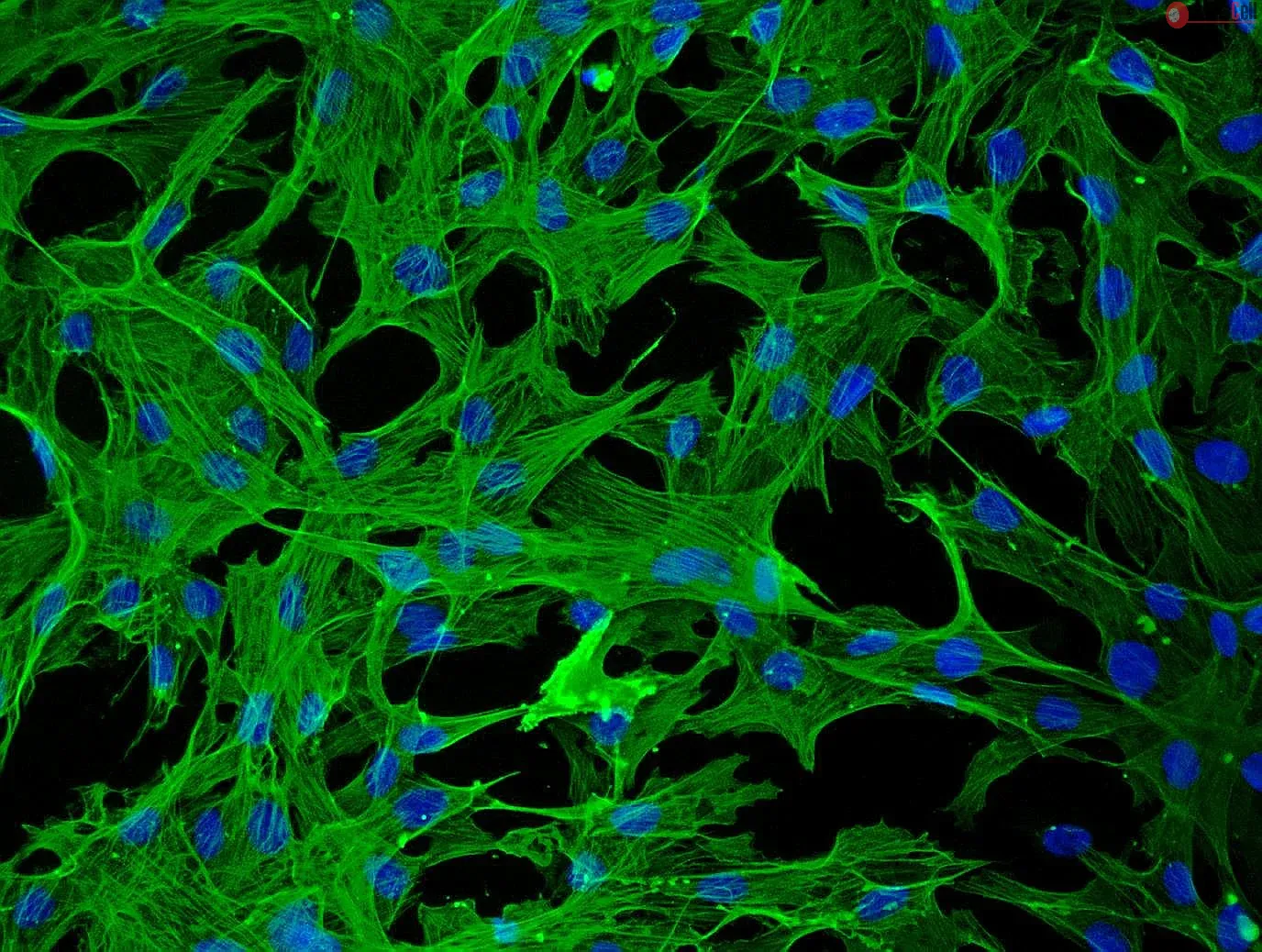
RabHSteC from ScienCell Research Laboratories are isolated from rabbit liver. RabHSteC are cryopreserved at passage one and delivered frozen. Each vial contains >5 x 10⁵ cells in 1 ml volume. RabHSteC are characterized by immunofluorescence with antibodies specific to α-smooth muscle actin. RabHSteC are negative for mycoplasma, bacteria, yeast, and fungi. RabHSteC are guaranteed to further expand for 10 population doublings under the conditions provided by ScienCell Research Laboratories.
Recommended Medium
It is recommended to use Stellate Cell Medium (SteCM, Cat. #5301) for culturing RabHSteC in vitro.
肝星状细胞(HSteC)是间充质细胞,位于肝窦内皮细胞与肝细胞之间的Disse间隙(亦称窦周间隙),约占肝脏细胞总数的 5–10%。HSteC 在维持肝脏稳态中发挥关键作用,并具有多种功能。在正常健康肝脏中,星状细胞处于静息状态,主要储存维生素A脂滴。此外,它们还参与血管张力调节、细胞外基质沉积监测,以及促进肝细胞再生相关因子的产生。当肝脏受到损伤时,肝细胞、肝窦内皮细胞及免疫细胞会向星状细胞传递信号,使其被激活。被激活后,HSteC 可发生转分化,转变为肌成纤维细胞,并产生细胞外基质(ECM),如I型和III型胶原。值得注意的是,虽然肝星状细胞在肝脏修复与再生中具有重要作用,但其持续的细胞外基质沉积也会促进肝脏疾病进展。深入理解HSteC在肝纤维化中的作用,有助于推动肝病新型治疗策略的开发。
RabHSteC 由 ScienCell Research Laboratories 提供,分离自兔肝组织。RabHSteC 在第一代(P1)时进行冷冻保存,并以冻存状态交付。每瓶含有 >5 × 10⁵ 个细胞,体积为 1 ml。RabHSteC 通过针对 α-平滑肌肌动蛋白(α-smooth muscle actin)的特异性抗体进行免疫荧光鉴定。经检测,RabHSteC 不含支原体、细菌、酵母及真菌污染。在 ScienCell Research Laboratories 提供的条件下,RabHSteC 保证可进一步扩增至 10 代倍增。
推荐培养基
建议使用 Stellate Cell Medium(SteCM,产品编号 #5301) 进行 RabHSteC 的 体外(in vitro) 培养。
| 目录编号 | Rab5300 |
|---|---|
| 制造国家 | 美国 |
| 产品编码 | RabHSteC |
| 规格/数量 | 5 x 10^5 cells/vial |
| 产品用途 | 本产品仅供研究使用。未经批准,不得用于人体、动物或体外诊断程序。 |
| 储存 | 收到后,立即将细胞从干冰转移到液氮中,并在液氮中保存,直到需要进行实验。 |
| 运输 | 干冰。 |
Product Sheets

Search for a Certificate of Analysis by Lot Number below:
Find answers to common questions about ScienCell products, cell culture, handling, and research applications.
No Publication available at this time.