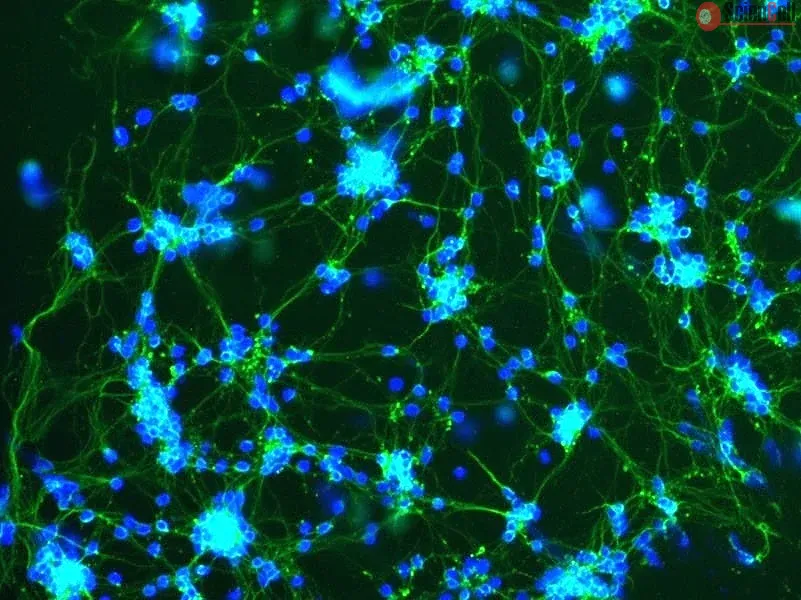
C57BL/6来源小鼠小脑颗粒细胞
The cerebellum is a structure at the base of the brain involved in balance and motor coordination. The development of the cerebellum involves a set of coordinated cell movements and two separate proliferation zones: the ventricular zone and the external granule cell layer (EGL). The EGL appears segregated during early cerebellum formation and produces only granule cells. Cerebellar granule cells (CGC) are the most abundant neurons of the brain. Their axons run as parallel fibres along the coronal axis, and the one-dimensional spread of excitation that results from this arrangement is a key assumption in theories of cerebellar function. During both in vivo and in vitro development, CGC depend on the activity of the NMDA glutamate receptor subtype for survival and full differentiation. Primary mouse CGC (MCGC) are used for studying neuronal apoptosis, Batton disease, and fetal alcohol spectrum disorders.
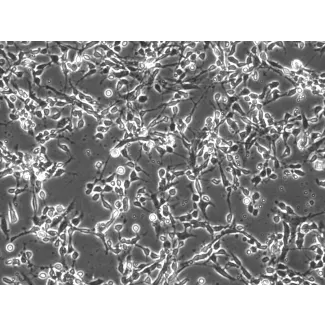
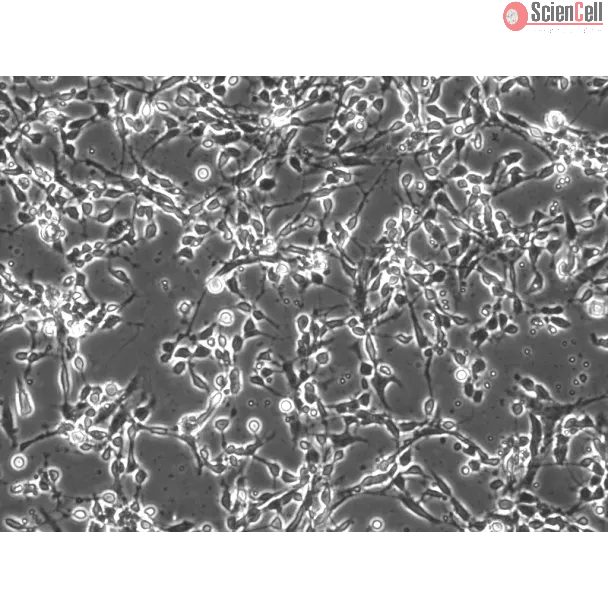
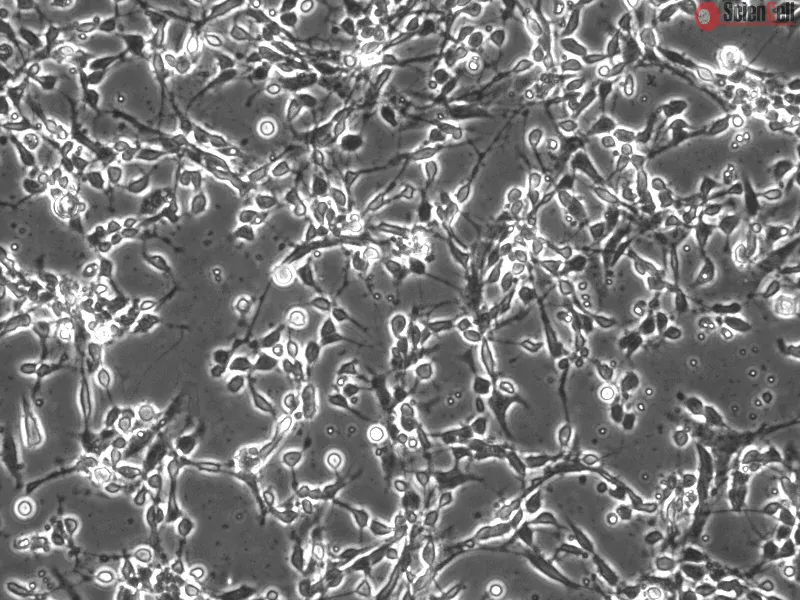
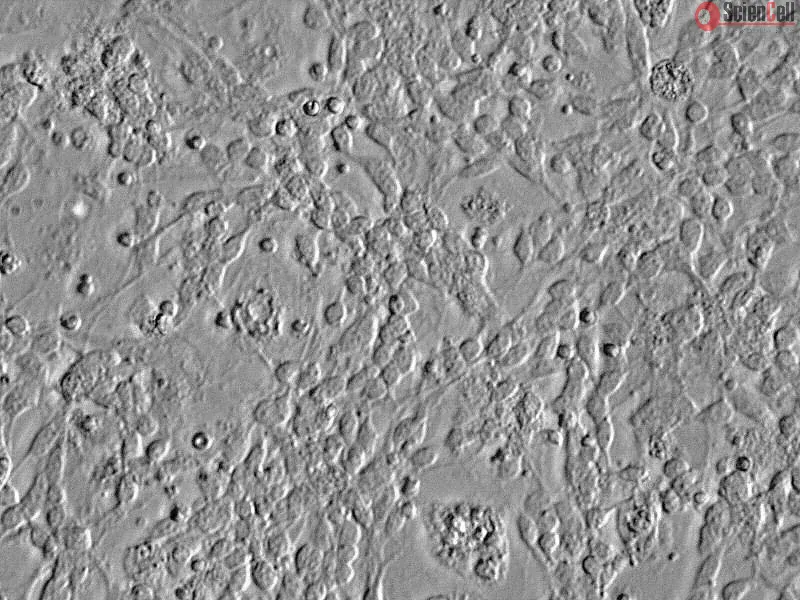
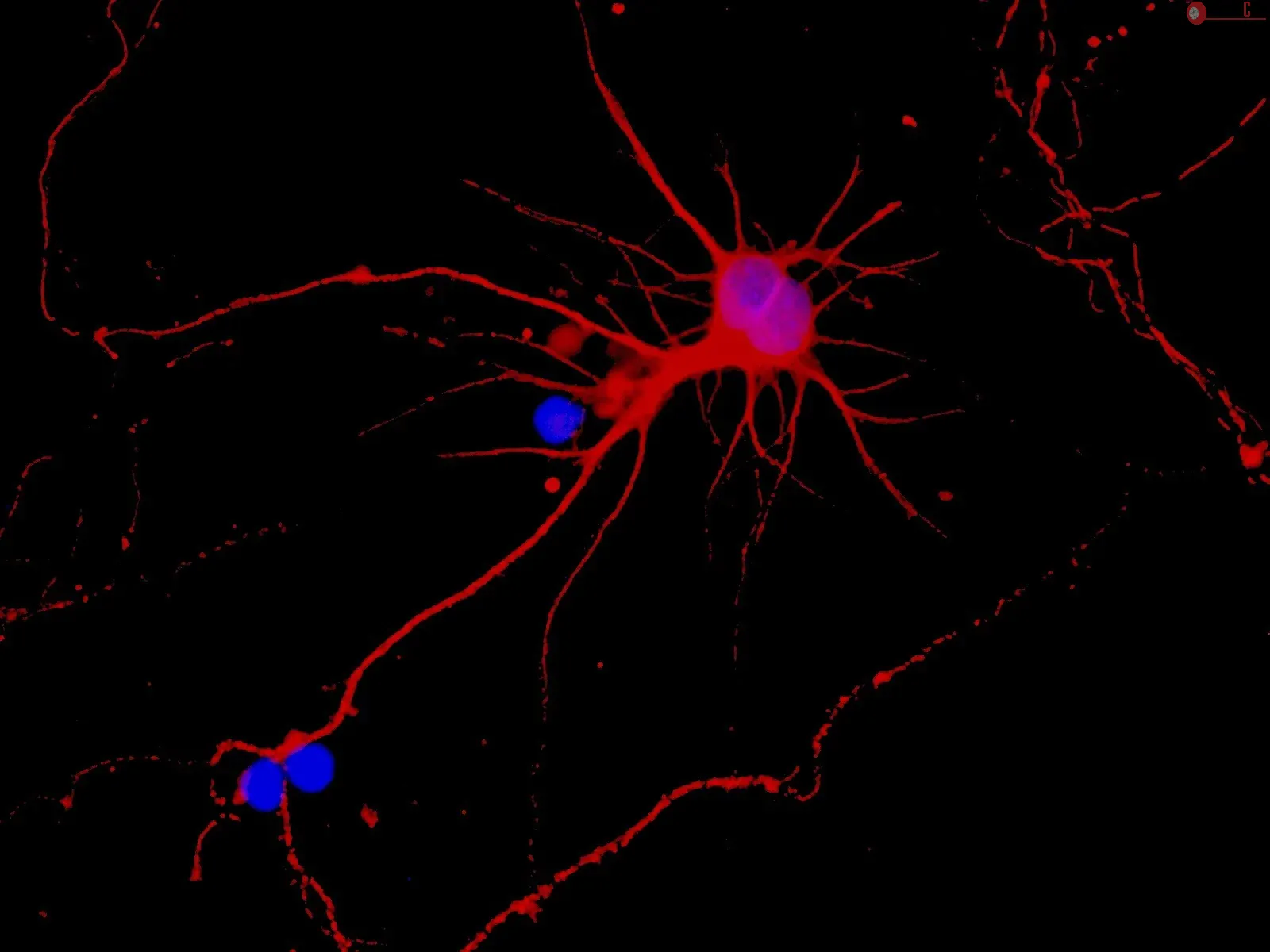
MCGC from ScienCell Research Laboratories are isolated from postnatal day 8 C57BL/6 mouse cerebellum. MCGC are cryopreserved at P0 and delivered frozen. Each vial contains >1 x 10⁶ cells in 1 ml volume. MCGC are characterized by immunofluorescence with antibodies specific to β-tubulin III. MCGC are negative for mycoplasma, bacteria, yeast, and fungi. MCGC are guaranteed to further culture under the conditions provided by ScienCell Research Laboratories; however, MCGC are not recommended for expanding or long-term cultures since the cells do not proliferate in culture.
Recommended Medium
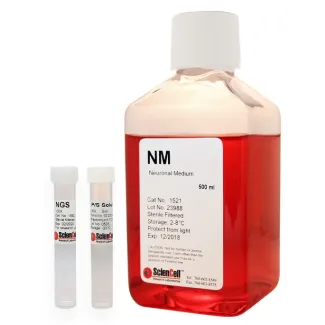
It is recommended to use Neuronal Medium (NM, Cat. #1521) for culturing MCGC in vitro.
小脑位于大脑底部,参与维持身体平衡和协调运动。小脑的发育涉及一系列协调的细胞迁移过程以及两个独立的细胞增殖区域:脑室区和外颗粒层(EGL)。在小脑早期发育过程中,外颗粒层逐渐形成,并仅产生颗粒细胞。小脑颗粒细胞(CGC)是大脑中数量最多的神经元。其轴突沿冠状轴方向延伸形成平行纤维,这种排列方式所产生的单向兴奋传播是小脑功能相关理论的重要基础。在体内和体外发育过程中,小脑颗粒细胞的存活和充分分化均依赖于NMDA型谷氨酸受体亚型的活性。原代小鼠小脑颗粒细胞(MCGC)可用于研究神经元凋亡、巴顿病和胎儿酒精谱系障碍等。
ScienCell Research Laboratories提供的小鼠小脑颗粒细胞(MCGC)分离自出生后第8天(P8)的C57BL/6小鼠小脑。MCGC在第0代(P0)时进行冻存,并以冷冻状态运输。每瓶含有超过1 × 106个细胞,体积为1 ml。MCGC采用β-III型微管蛋白(β-tubulin III)特异性抗体进行免疫荧光鉴定。经检测,MCGC不含支原体、细菌、酵母和真菌。按照ScienCell Research Laboratories提供的培养条件,MCGC可继续进行体外培养;但是,由于MCGC在培养过程中不会增殖,因此不建议用于细胞扩增或长期培养。
推荐培养基
推荐使用神经元培养基(NM,产品编号1521)进行MCGC的体外培养。
| 目录编号 | M1530-57 |
|---|---|
| 制造国家 | 美国 |
| 产品编码 | MCGC |
| 规格/数量 | 1 x 10^6 cells/vial |
| 产品用途 | 本产品仅供研究使用。未经批准,不得用于人体、动物或体外诊断程序。 |
| 储存 | 收到后请立即将细胞从干冰直接转移至液氮中,并在进行细胞培养实验前始终保存在液氮中。 |
| 运输 | 干冰。 |
Product Sheets

Search for a Certificate of Analysis by Lot Number below:
Find answers to common questions about ScienCell products, cell culture, handling, and research applications.
No Publication available at this time.