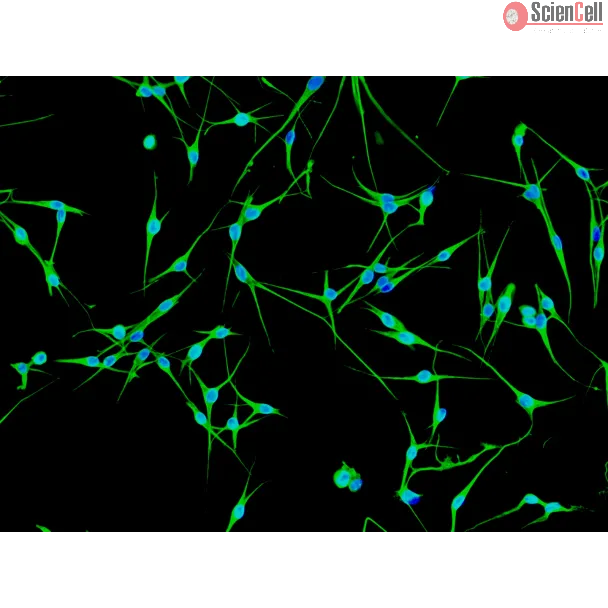
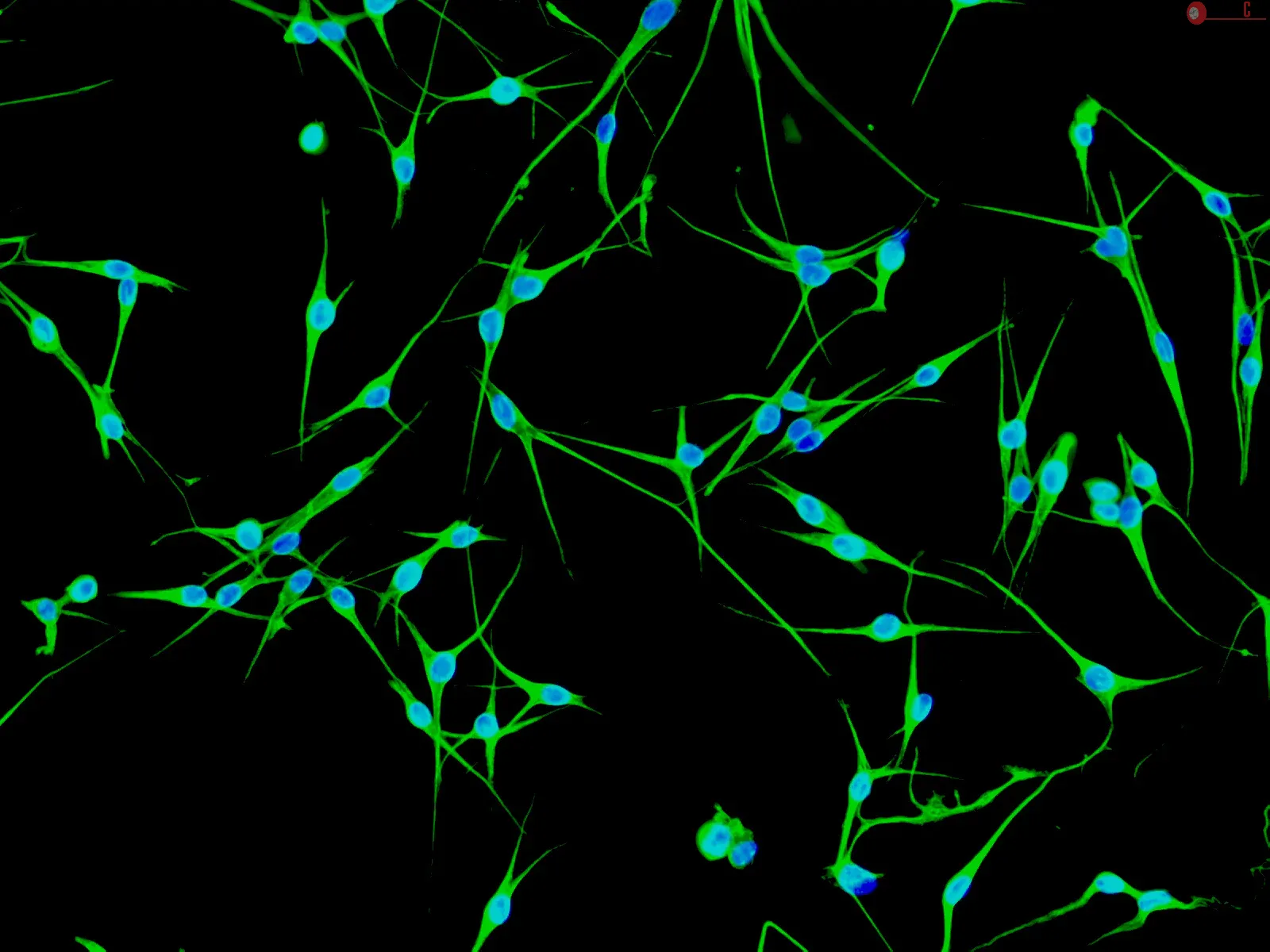
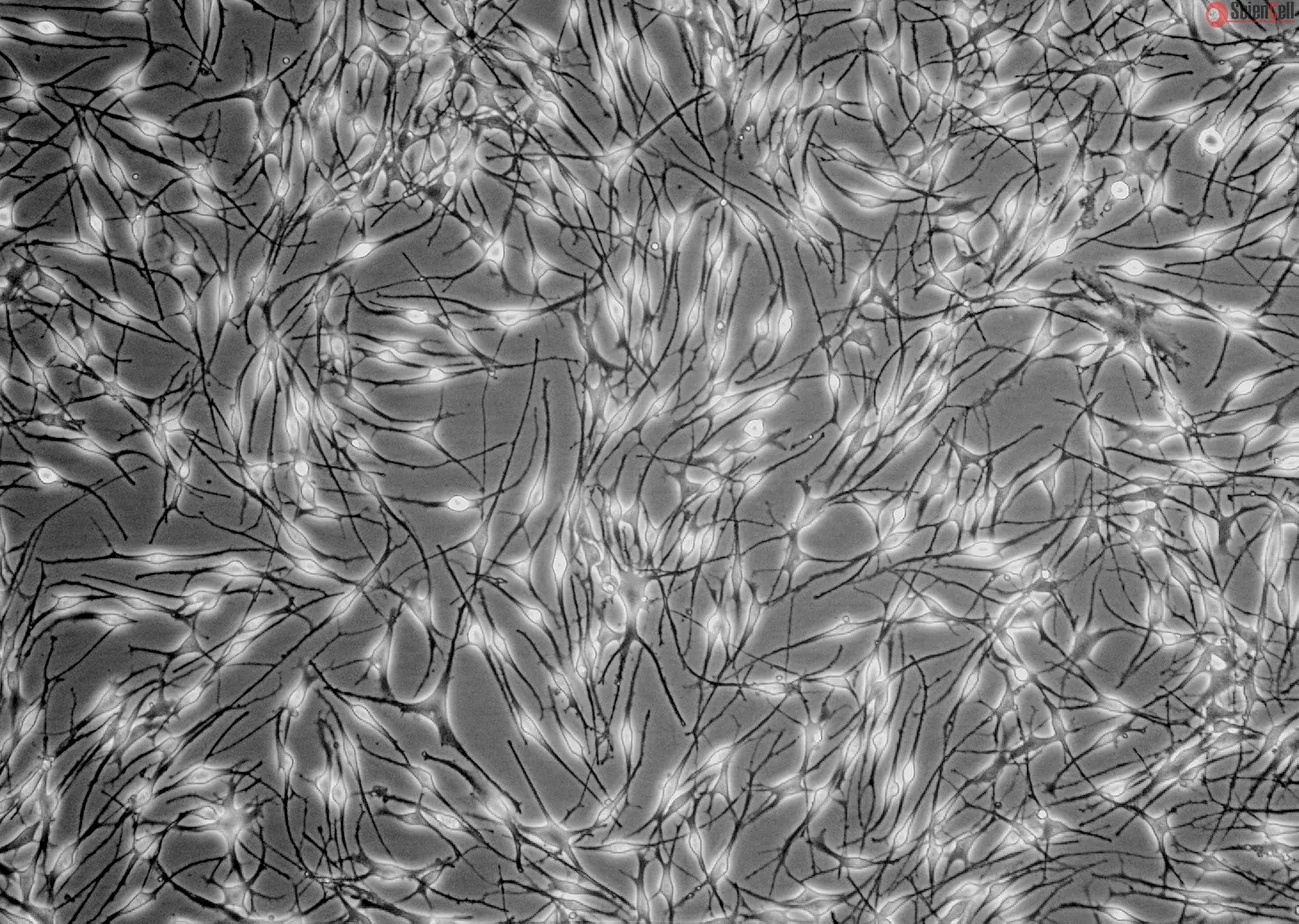
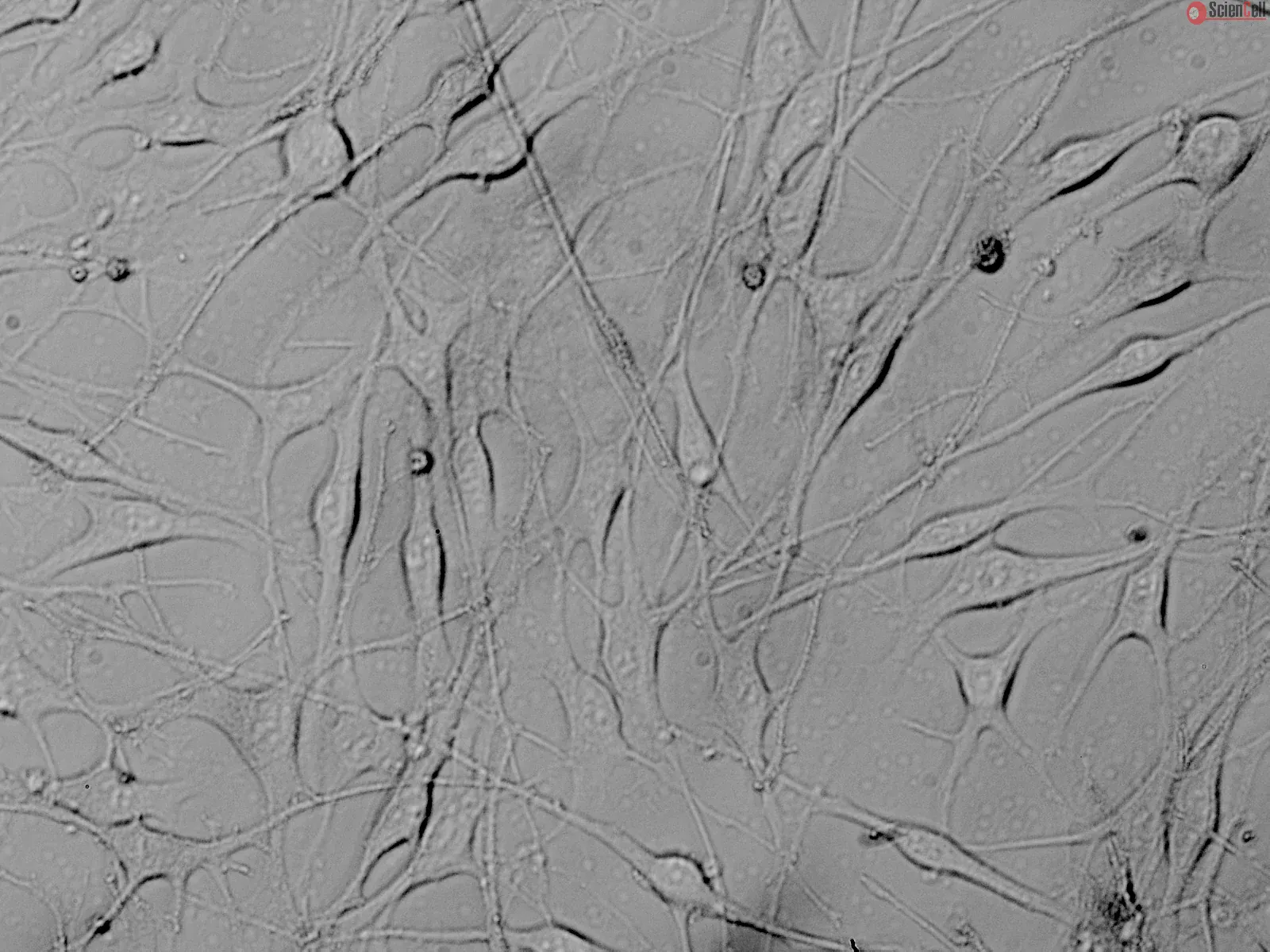
黑素细胞是来源于神经脊的细胞,通过黑色素生成合成黑色素。黑素细胞分布于多种组织,包括表皮、眼睛、内耳和软脑膜。在胚胎发育过程中,黑素细胞的迁移、增殖或存活的失调,会导致这些组织的先天性疾病,如Tietz综合症、Waardenburg综合症和白斑症。在皮肤表皮的底层,黑素细胞合成并将深色黑色素转移到周围的角质形成细胞中,赋予皮肤色素。黑色素还能够阻挡UV-B光线,保护皮下组织免受太阳辐射引起的光损伤。随着培养技术的进步以及对黑素细胞生物学的更好理解,成功的培养系统已经用于模拟黑色素瘤、内耳稳态、白癜风以及杜氏肌营养不良症中的线粒体功能障碍。
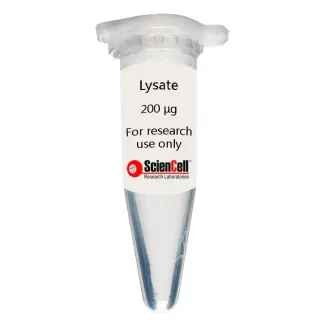
来自 ScienCell Research Laboratories 的 HEM-d 是从新生儿人类皮肤中分离的。HEM-d 在第一级传代时被冷冻保存并交付。每瓶含有超过 5 x 10⁵ 细胞,体积为 1 毫升。HEM-d 通过免疫荧光染色标定,使用特异性抗体对 S100β 和/或 NGF 受体 (p75) 进行标记。HEM-d 对 HIV-1、HBV、HCV、支原体、细菌、酵母和真菌呈阴性反应。HEM-d 保证在 ScienCell Research Laboratories 提供的条件下进一步扩增 10 次人口倍增。
推荐培养基
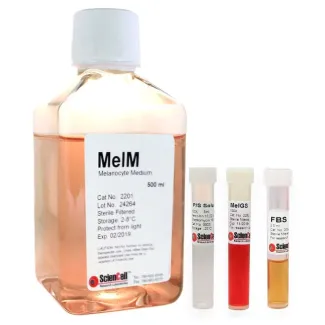
建议使用黑素细胞培养基 (MelM, Cat. #2201) 来培养 HEM-d 体外。
Product Sheets
 2220
2220
Search for a Certificate of Analysis by Lot Number below:
Most metastatic melanoma patients fail to respond to available therapy, underscoring the need for novel approaches to identify new effective treatments. In this study, we... More
Most metastatic melanoma patients fail to respond to available therapy, underscoring the need for novel approaches to identify new effective treatments. In this study, we screened 2,000 compounds from the Spectrum Library at a concentration of 1 micromol/L using two chemoresistant melanoma cell lines (M-14 and SK-Mel-19) and a spontaneously immortalized, nontumorigenic melanocyte cell line (melan-a). We identified 10 compounds that inhibited the growth of the melanoma cells yet were largely nontoxic to melanocytes. Strikingly, 4 of the 10 compounds (mebendazole, albendazole, fenbendazole, and oxybendazole) are benzimidazoles, a class of structurally related, tubulin-disrupting drugs. Mebendazole was prioritized to further characterize its mechanism of melanoma growth inhibition based on its favorable pharmacokinetic profile. Our data reveal that mebendazole inhibits melanoma growth with an average IC(50) of 0.32 micromol/L and preferentially induces apoptosis in melanoma cells compared with melanocytes. The intrinsic apoptotic response is mediated through phosphorylation of Bcl-2, which occurs rapidly after treatment with mebendazole in melanoma cells but not in melanocytes. Phosphorylation of Bcl-2 in melanoma cells prevents its interaction with proapoptotic Bax, thereby promoting apoptosis. We further show that mebendazole-resistant melanocytes can be sensitized through reduction of Bcl-2 protein levels, showing the essential role of Bcl-2 in the cellular response to mebendazole-mediated tubulin disruption. Our results suggest that this screening approach is useful for identifying agents that show promise in the treatment of even chemoresistant melanoma and identifies mebendazole as a potent, melanoma-specific cytotoxic agent. Less
Vascular endothelial growth factor (VEGF) is a cytokine and endothelial cell (EC) mitogen that has been studied for its role in angiogenesis of malignant tumors. Elevated... More
Vascular endothelial growth factor (VEGF) is a cytokine and endothelial cell (EC) mitogen that has been studied for its role in angiogenesis of malignant tumors. Elevated quantities of VEGF in the serum and plasma of patients have been correlated with the presence of cancer and metastasis. Since VEGF induces hyperpermeability of EC monolayers, this protein can be detected in vitro with a whole cell-based biosensor. This biosensor consists of a confluent monolayer of human umbilical vein endothelial cells (HUVECs) attached to a cellulose triacetate (CTA) membrane of an ion-selective electrode (ISE). Previous studies regarding this biosensor have shown that when the biosensor was exposed to a model toxin, such as histamine, the response of the biosensor served as an indirect measurement of the presence of histamine. Similarly, the biosensor responds to the presence of VEGF, but is much more sensitive because VEGF is known to be 50,000-fold more potent than histamine when inducing EC hyperpermeability. The ISE response increased with increasing VEGF concentration. Since lower concentrations required more exposure time, the detection limit was established as a function of exposure time (2-10 h). The practical applicability of the biosensor was also established with cultured human melanoma cells WM793 (nonmetastatic) and 1205LU (metastatic). The resultant change in the potential values revealed significant production of VEGF from the 1205LU cells. A VEGF ELISA was performed to confirm the VEGF concentration in each sample. The biosensor closely predicted the concentrations determined through the ELISA. These results support the use of a cell-based ISE as a quick screening method for the presence of VEGF. Less
ScienCell Research Laboratories (SRL) takes pride in being a resource for researchers all over the world. The publications listed here are not meant as an endorsement or confirmation of the reliability of the products.