In vascular adventitia, the outermost connective tissue covering the vessel, adventitial fibroblasts (AF) produce collagen to provide structural support by anchoring the blood vessel to nearby tissues. AF are the first cells of the vascular wall to respond to hypertension and vascular injury through activation and proliferation. During pathological conditions, AF produce cytokines and chemokines to induce mass infiltration of immune cells into the adventitial layer of the vessel wall. Immune cell infiltration into the adventitia results in adventitial inflammation and can lead to cardiovascular disease. The important properties of AF make AF cultures an ideal tool for studying the pathogenesis of cardiovascular disease and for the development of novel disease treatments.
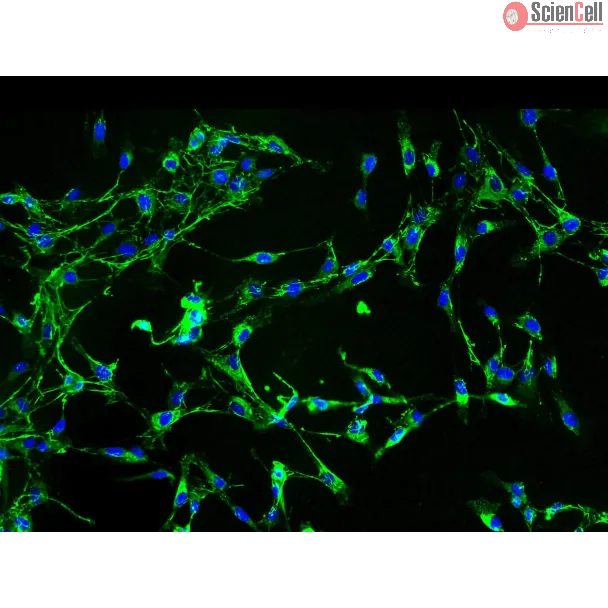
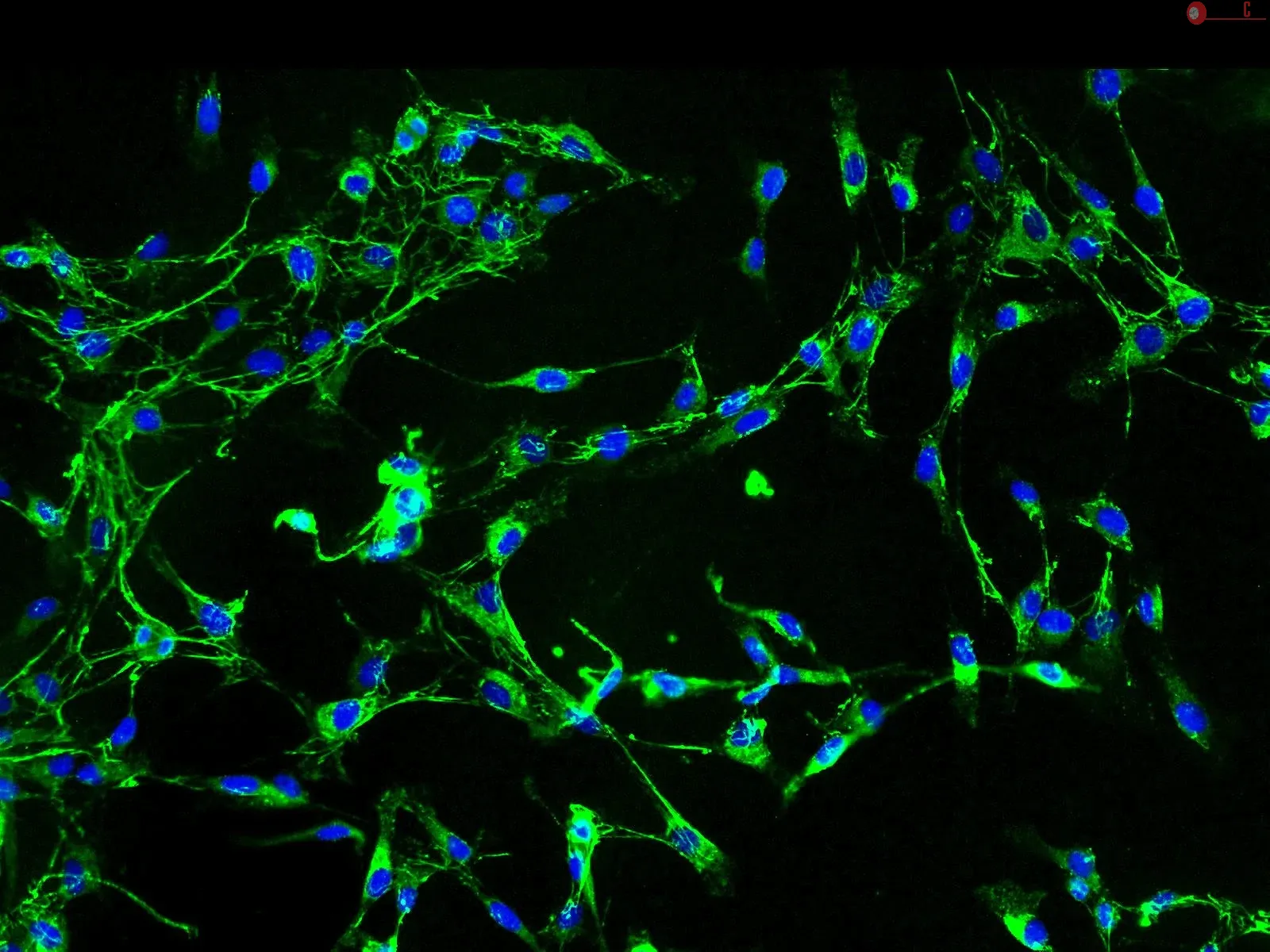
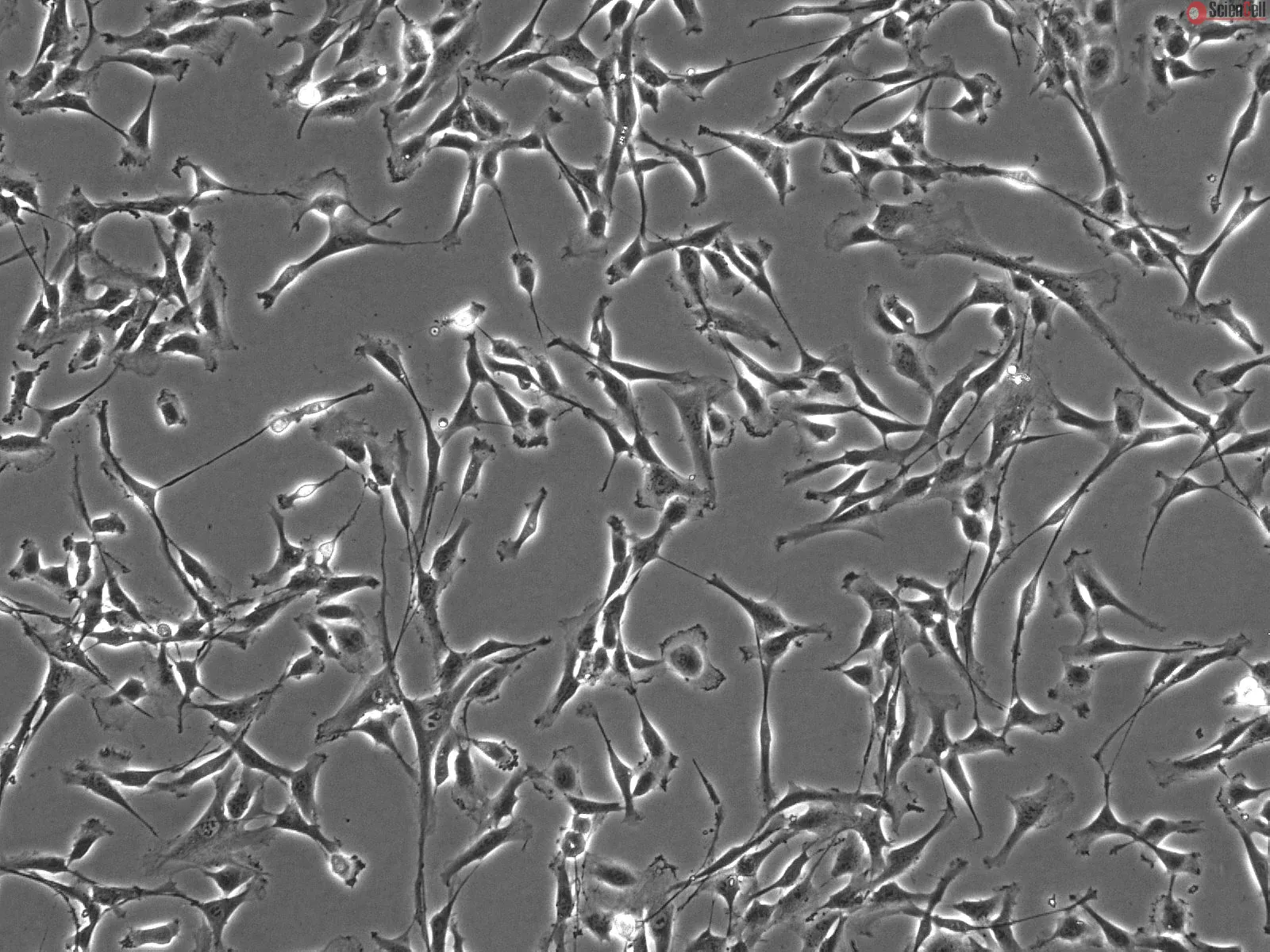
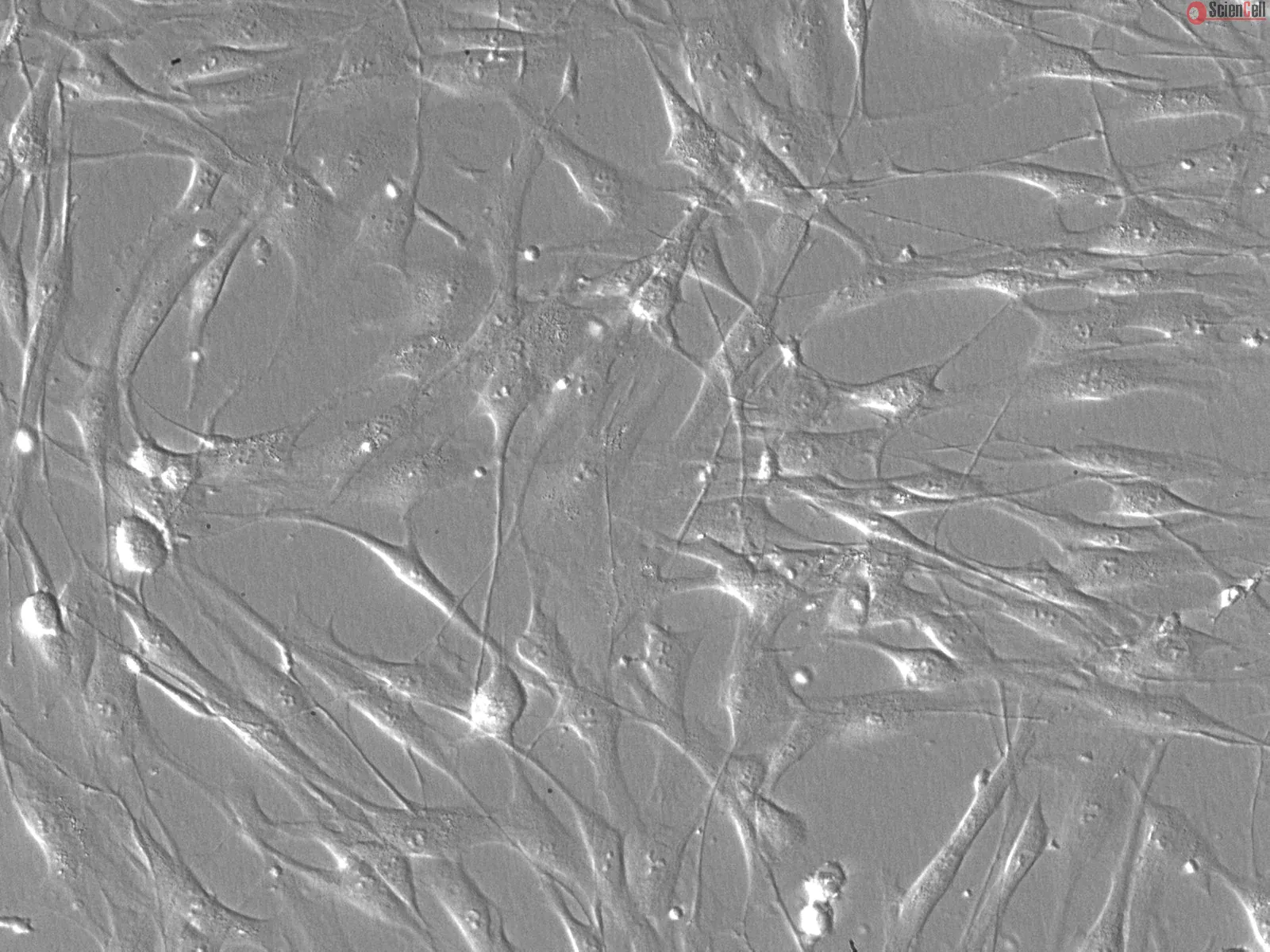
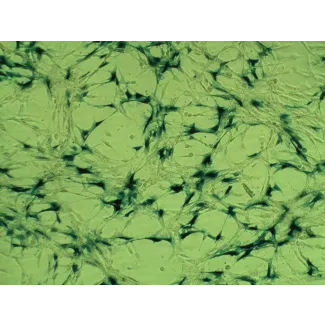
HAAF from ScienCell Research Laboratories are isolated from human aortic artery. HAAF are cryopreserved at passage one and delivered frozen. Each vial contains >5 x 10⁵ cells in 1 ml volume. HAAF are characterized by spindle morphology and by immunofluorescence with antibody specific to fibronectin. HAAF are negative for HIV-1, HBV, HCV, mycoplasma, bacteria, yeast and fungi. HAAF are guaranteed to further expand for 15 population doublings under the conditions provided by ScienCell Research Laboratories.
Recommended Medium
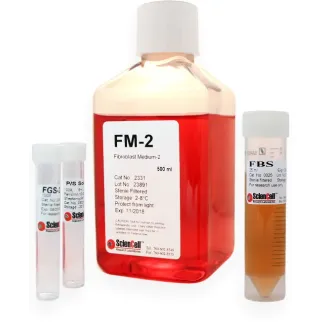
It is recommended to use Fibroblast Medium-2 (FM-2, Cat. #2331) for culturing HAAF in vitro.
Product Sheets
 6120
6120
Search for a Certificate of Analysis by Lot Number below:
Introduction Heightened inflammatory and thrombotic processes are common hallmarks of vascular diseases. The interaction between these two processes remains unclear and a... More
Introduction Heightened inflammatory and thrombotic processes are common hallmarks of vascular diseases. The interaction between these two processes remains unclear and a better understanding of these links can allow for the design of more effective treatment options. Activation of complement component 1 (C1) leads to the initiation of the classical arm of the complement cascade, availability of plasma C1q, and the potential association of C1q and receptors for C1q. The association of C1q and gC1qR, the receptor for the globular head of C1q, is notable and has been associated with a wide range of disturbed physiological processes. We have recently shown that when this interaction occurs on vascular wall cells, including adventitial fibroblasts and vascular smooth muscle cells, there is a significant up-regulation of tissue factor (TF) expression. However, whether or not this TF is biologically active and can facilitate extrinsic coagulation activation remains unknown. We hypothesized that TF expressed via gC1qR-C1q association would support the progression of extrinsic coagulation. Methods We quantified the association of Factor VII/VIIa (FVII/FVIIa) with adventitial fibroblast and vascular smooth muscle cell TF, using colorimetric assays. Further, we observed the formation of Factor Xa and Factor IIa (thrombin), as well as the concentration of intracellular Akt (protein kinase B) and phosphorylated Akt. Results/Conclusions Our results indicate that TF expression in response to C1q exposure accelerates zymogen formation within the extrinsic coagulation cascade and alters Akt/p-Akt expression. Overall, these findings highlight a significant connection between altered innate inflammation and heightened thrombin generation. Summary Research reported in this publication was supported by the National Institute of Allergy and Infectious Disease of the National Institutes of Health under award number R21AI146535. The authors (BG) receive royalties from the sale of monoclonal antibodies against gC1qR clone 60.11. The authors (BG) hold a patent for the development of these antibodies for therapy against cancer and angioedema, respectively (US patent 8,883,153-B2, “Methods for Prevention and Treatment of Angioedema”). The data that support the findings of this study are available from the corresponding author upon reasonable request. Less
The aim of this study was to investigate and characterize the efficacy and mechanism of action of asiaticoside in combination with rapamycin in the inhibition of in-stent... More
The aim of this study was to investigate and characterize the efficacy and mechanism of action of asiaticoside in combination with rapamycin in the inhibition of in-stent restenosis (ISR). The effects of asiaticoside combined with rapamycin on cell proliferation in vitro were evaluated by MTT assay. The mRNA expression was analyzed by quantitative polymerase chain reaction (qPCR). Enzyme-linked immunosorbent assay (ELISA) was used to confirm protein synthesis. The cell growth inhibition rate in the combination group was significantly higher compared with those in the asiaticoside and rapamycin groups for human aortic fibroblasts (HAFs; 63.50±3.83, 53.06±8.10 and 60.34±4.9%, respectively) and human aortic smooth muscle cells (HASMCs; 33.12±1.35, 26.21±7.59 and 28.27±4.92, respectively; P<0.05). However, for human coronary artery endothelial cells (HCAECs), the cell growth inhibition rates in the combination, asiaticoside and rapamycin groups were 11.09±1.17, 26.22±4.24 and 34.80±2.80%, respectively (P<0.05), as detected by MTT assay. The qPCR assay showed that in the combination group the level of von Willebrand factor (vWF) mRNA was downregulated, while platelet endothelial cell adhesion molecule (PECAM-1) and endothelial nitric oxide synthase (eNOS) mRNAs were upregulated in HCAECs compared with the rapamycin group (P<0.05). Transforming growth factor (TGF)-β1 and TIMP1 mRNAs were downregulated while Smad7 and matrix metalloproteinase 1 (MMP1) mRNAs were upregulated in HAFs compared with the rapamycin and AT groups (P<0.05). The ELISA showed that the type I collagen level was significantly reduced in HASMCs and HAFs (P<0.05). The data suggest that asiaticoside combined with rapamycin may be effective in the reduction of ISR. Keywords: in-stent restenosis, asiaticoside, rapamycin, Smad7 Less
ScienCell Research Laboratories (SRL) takes pride in being a resource for researchers all over the world. The publications listed here are not meant as an endorsement or confirmation of the reliability of the products.

,-1-mg-ml--2.jpg)