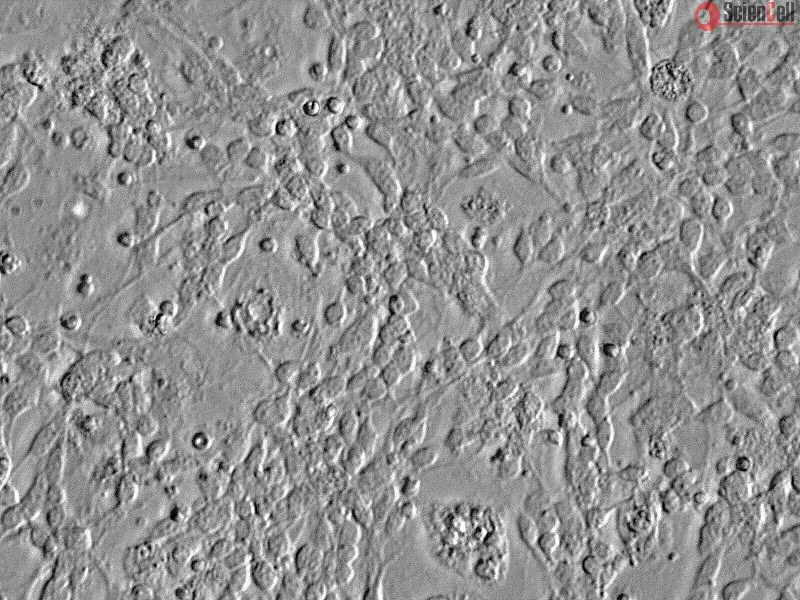
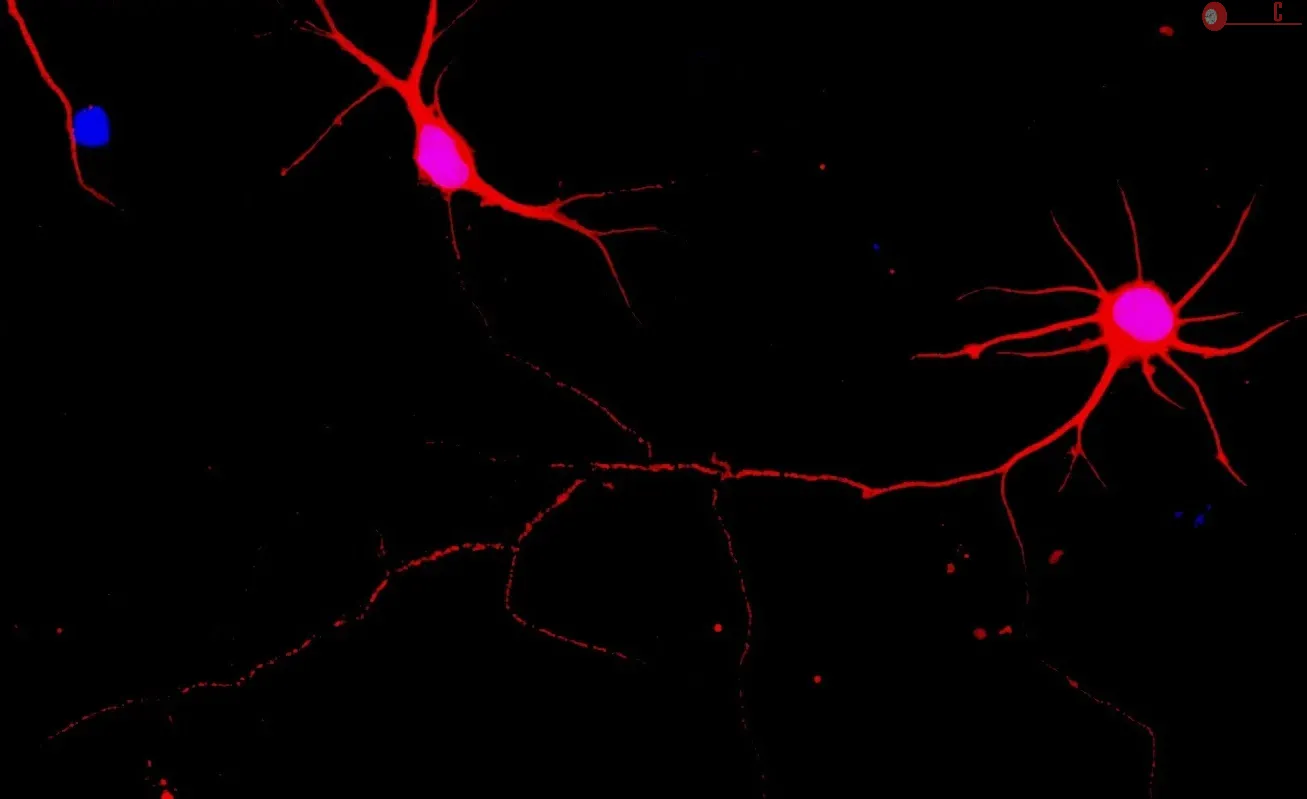
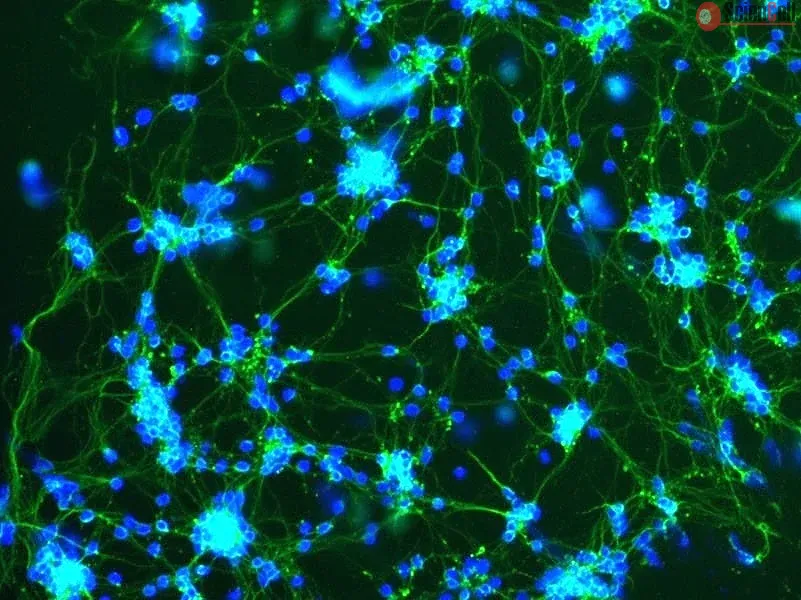
Mouse Cerebellar Granule Cells from CD1
Isolated from postnatal day 8 CD-1 mouse cerebellum. MCGC are cryopreserved at P0 and delivered frozen. Each vial contains >1 x 10⁶ cells in 1 ml volume.
The cerebellum is a structure at the base of the brain involved in balance and motor coordination. The development of the cerebellum involves a set of coordinated cell movements and two separate proliferation zones: the ventricular zone and the external granule cell layer (EGL). The EGL appears segregated during early cerebellum formation and produces only granule cells. Cerebellar granule cells (CGC) are the most abundant neurons of the brain [2]. Their axons run as parallel fibres along the coronal axis, and the one-dimensional spread of excitation that results from this arrangement is a key assumption in theories of cerebellar function. During both in vivo and in vitro development, CGC depend on the activity of the NMDA glutamate receptor subtype for survival and full differentiation. Primary mouse CGC (MCGC) are used for studying neuronal apoptosis, Batton disease, and fetal alcohol spectrum disorders.
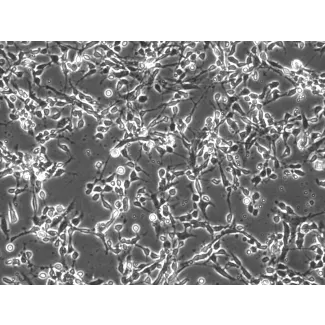
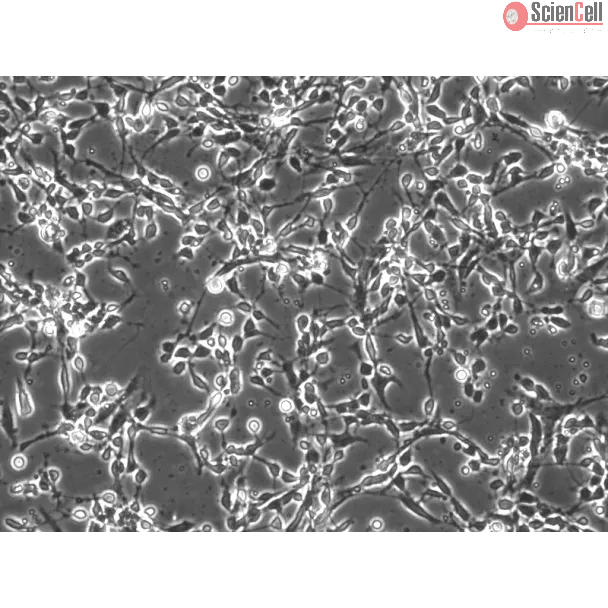
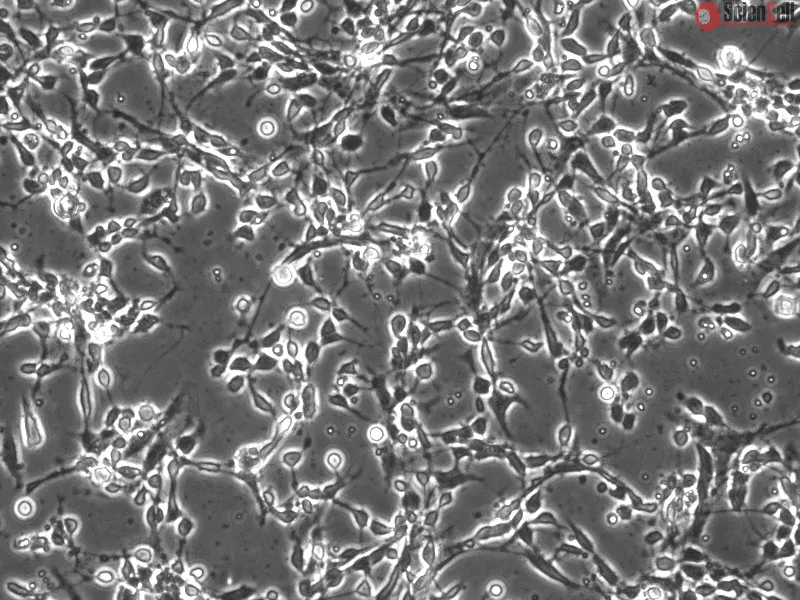
MCGC from ScienCell Research Laboratories are isolated from postnatal day 8 CD-1 mouse cerebellum. MCGC are cryopreserved at P0 and delivered frozen. Each vial contains >1 x 10⁶ cells in 1 ml volume. MCGC are characterized by immunofluorescence with antibodies specific to β-tubulin III. MCGC are negative for mycoplasma, bacteria, yeast, and fungi. MCGC are guaranteed to further culture under the conditions provided by ScienCell Research Laboratories; however, MCGC are not recommended for expanding or long-term cultures since the cells do not proliferate in culture.
Recommended Medium
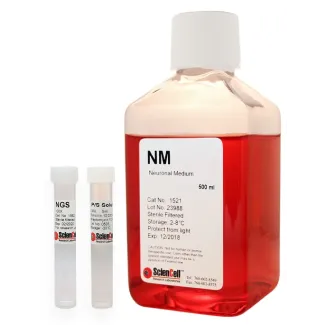
It is recommended to use Neuronal Medium (NM, Cat. #1521) for culturing MCGC in vitro.
| Catalog No. | M1530 |
|---|---|
| Country of Manufacture | United States |
| Product Code | MCGC |
| Size/Quantity | 1 x 10^6 cells/vial |
| Product use | This product is for research use only. It is not approved for use in humans, animals, or in vitro diagnostic procedures. |
| Storage | Transfer cells directly and immediately from dry ice to liquid nitrogen upon receiving and keep the cells in liquid nitrogen until cell culture is needed for experiments. |
| Shipping | Dry ice. |
No Publication available at this time.
,-1-mg-ml--2.jpg)