Mouse Lens Epithelial Cells
MLEpiC are cryopreserved at passage one and delivered frozen. Each vial contains >5 x 10⁵ cells in 1 ml volume.
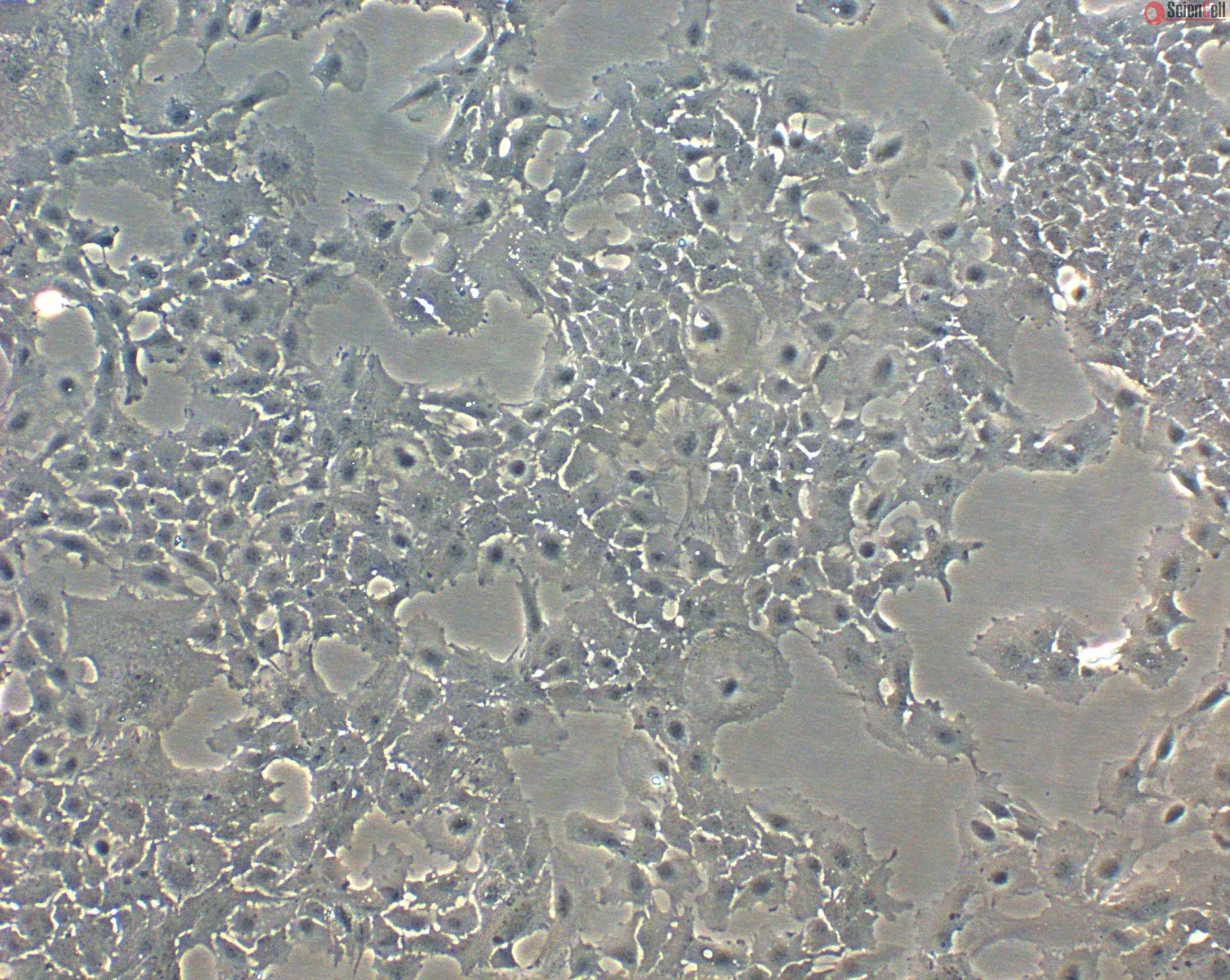
The lens is a transparent structure in the eye that is designed to refract light and focus the light onto the retina. The mammalian lens consists of two cell types, lens fiber cells which form the bulk of the lens, and a monolayer of epithelial cells that cover the anterior surface of the fibers. Lens epithelial cells (LEpiC) are responsible for homeostasis regulation of the lens, including electrolyte and fluid transport. Under normal development, LEpiC progressively differentiate and mature. LEpiC then migrate from the equatorial region into the interior of the lens to produce transparent crystallins, elongate to form lens fiber cells, and eventually lose their nuclei and other organelles. Studies have shown that LEpiC differentiation and lens polarization are regulated by growth factors present in the ocular fluids, such as epidermal growth factor, basic fibroblast growth factor, insulin growth factor, and insulin. Mouse LEpiC (MLEpiC) are a useful model for studying issues associated with the lens, including cataracts.
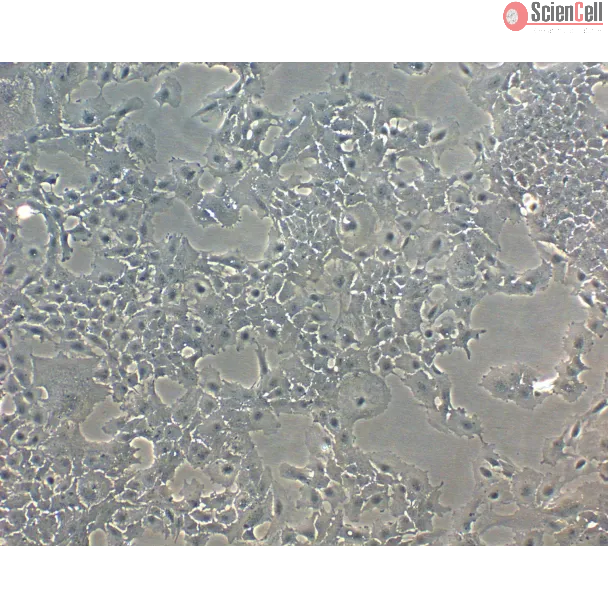
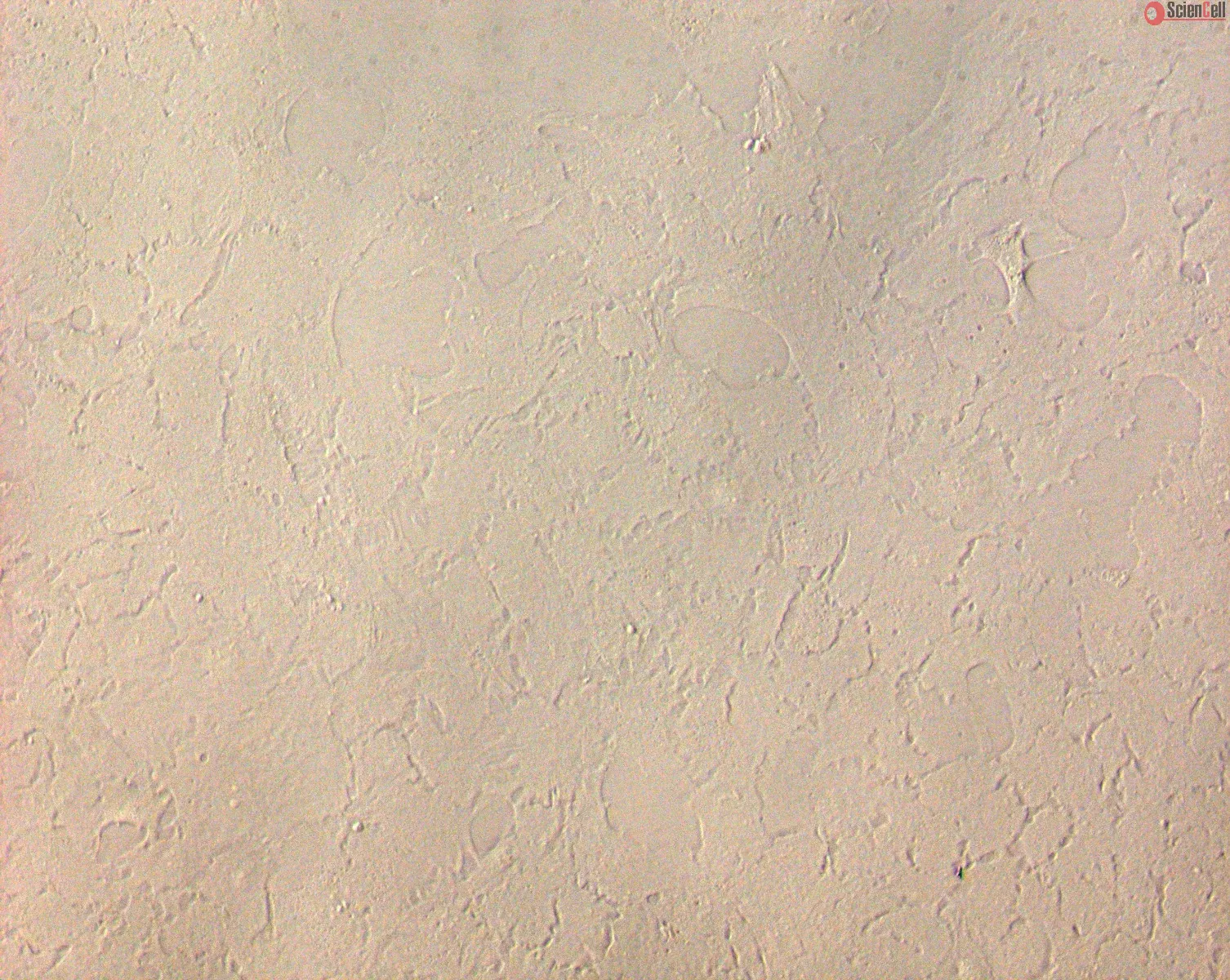
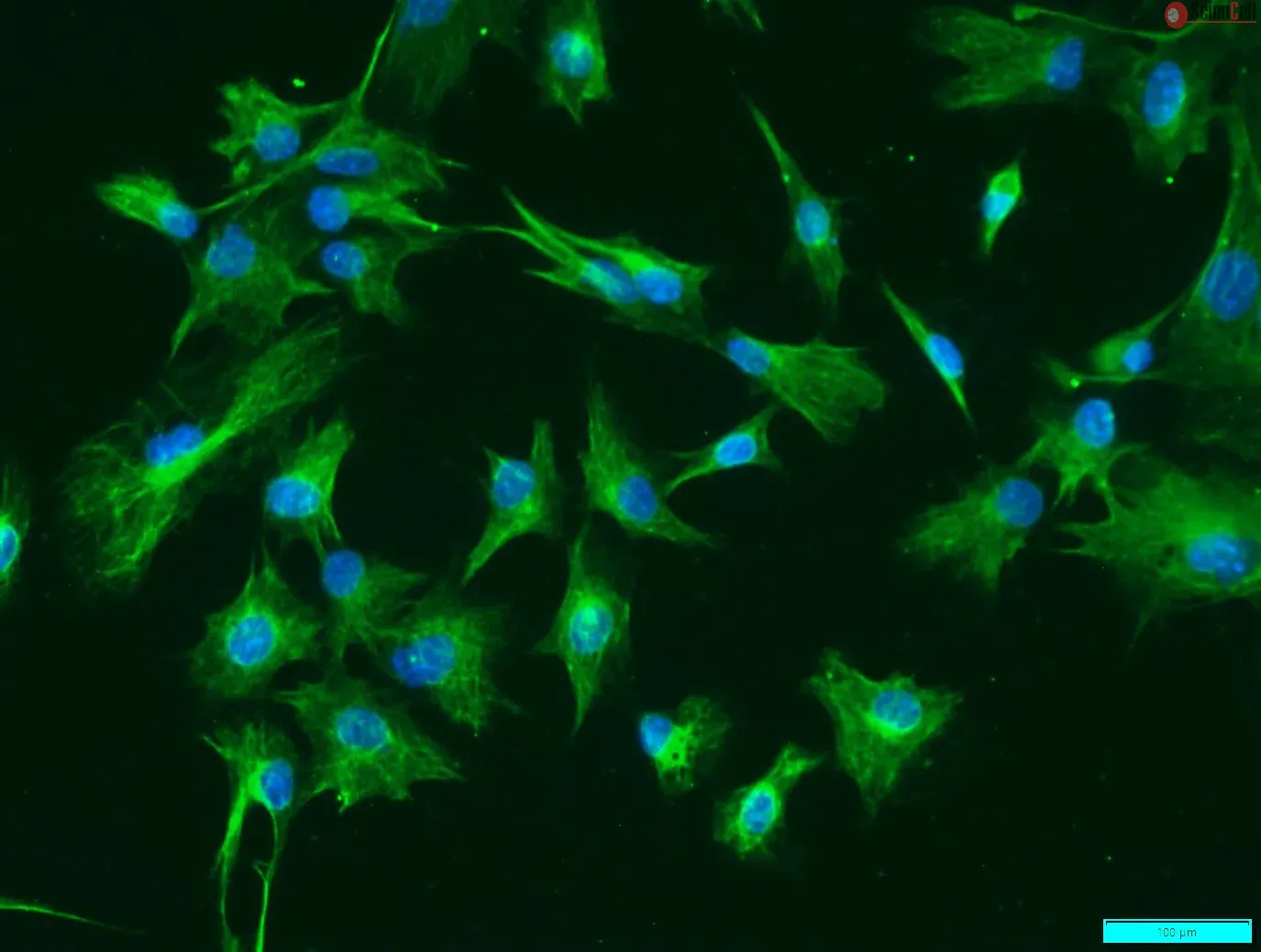
MLEpiC from ScienCell Research Laboratories are isolated from postnatal day 8 CD-1 mouse lens. MLEpiC are cryopreserved at passage one and delivered frozen. Each vial contains >5 x 10⁵ cells in 1 ml volume. MLEpiC are characterized by immunofluorescence with antibodies specific to cytokeratin-18. MLEpiC are negative for mycoplasma, bacteria, yeast and fungi. MLEpiC are guaranteed to further expand for 5 population doublings.
Recommended Medium
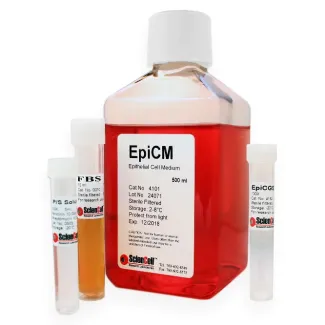
It is recommended to use Epithelial Cell Medium (EpiCM Cat. #4101) for culturing MLEpiC in vitro.
| Catalog No. | M6550 |
|---|---|
| Country of Manufacture | United States |
| Product Code | MLEpiC |
| Size/Quantity | 5 x 10^5 cells/vial |
| Product use | This product is for research use only. It is not approved for human or animal use, or for application in in vitro diagnostic procedures. |
| Storage | Upon receiving, directly and immediately transfer the cells from dry ice to liquid nitrogen, and keep the cells in liquid nitrogen until they are needed for experiments. |
| Shipping | Dry ice. |
Product Sheets

Search for a Certificate of Analysis by Lot Number below:
Find answers to common questions about ScienCell products, cell culture, handling, and research applications.
No Publication available at this time.
,-1-mg-ml--2.jpg)