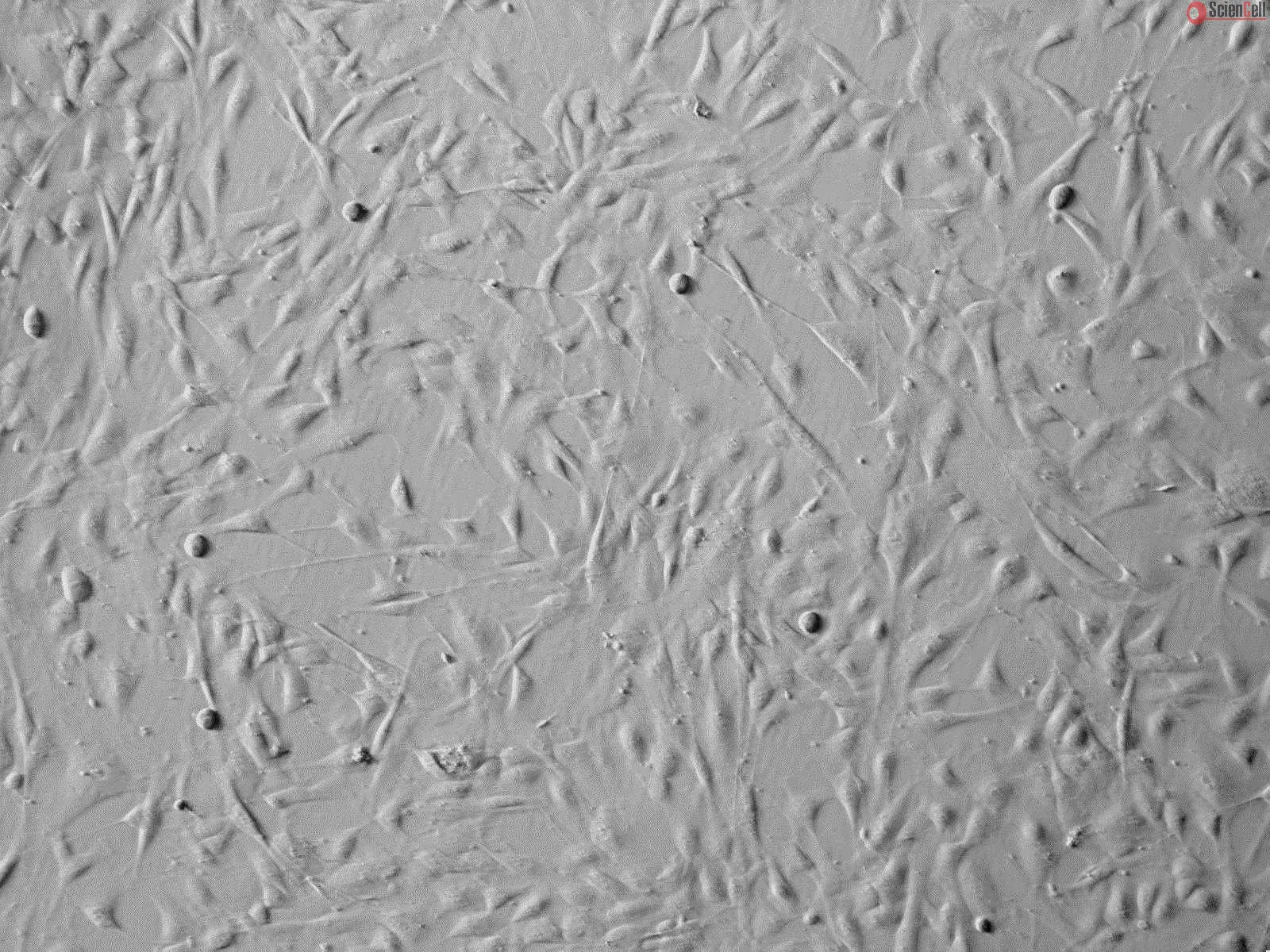
Human Cardiac Fibroblasts-atrial
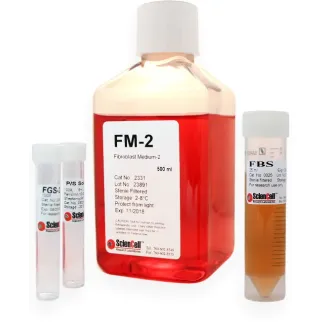
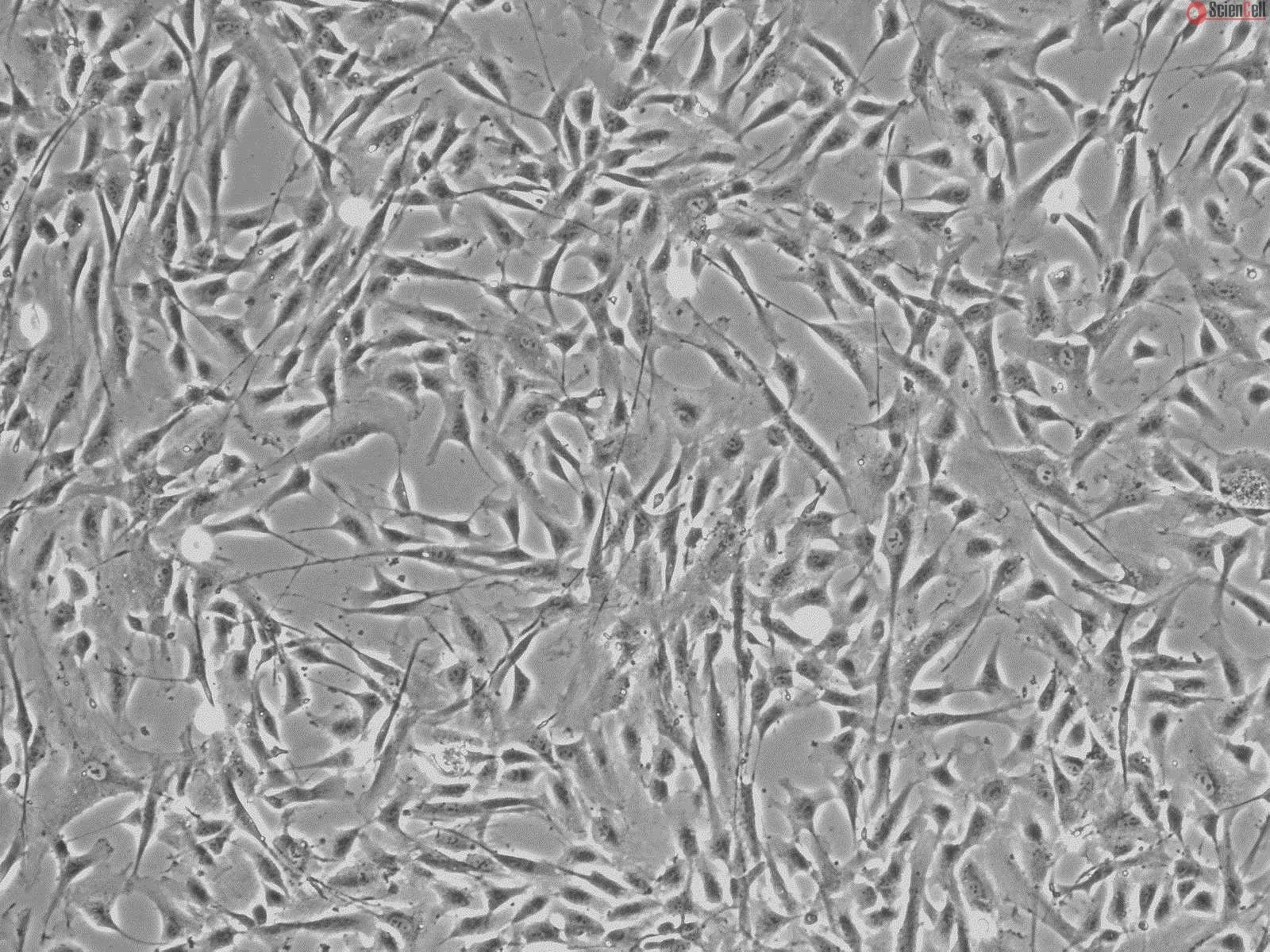
Isolated from the human atrium. HCF-aa are cryopreserved at passage one and delivered frozen. Each vial contains >5 x 10⁵ cells in 1 ml volume. It is recommended to use Fibroblast Medium-2 (FM-2, Cat. #2331) for culturing HCF-aa in vitro.
Cardiac fibroblasts (CF) provide structural support for cardiac myocytes and are responsible for extracellular matrix synthesis in the heart during growth and pathophysiological conditions. CF are an important cellular component of myocardial responses to injury and the source of paracrine growth factors. CF proliferation and synthesis of matrix is essential for scar formation at sites of myocardial infarction and cardiac fibrosis. CF cultures have been widely used as a model to study the cardiac matrix remodeling by physiological (exercise) and pathological (hypertension) stressors. CF also have been found to form electric coupling with myocytes through gap junctions exerting electrotonic influences on the cells. These electronic couplings are suggested to play an important role in genesis of complex fractionated atrial electrogram sites and thus are a perfect model for studying atrial fibrillation.
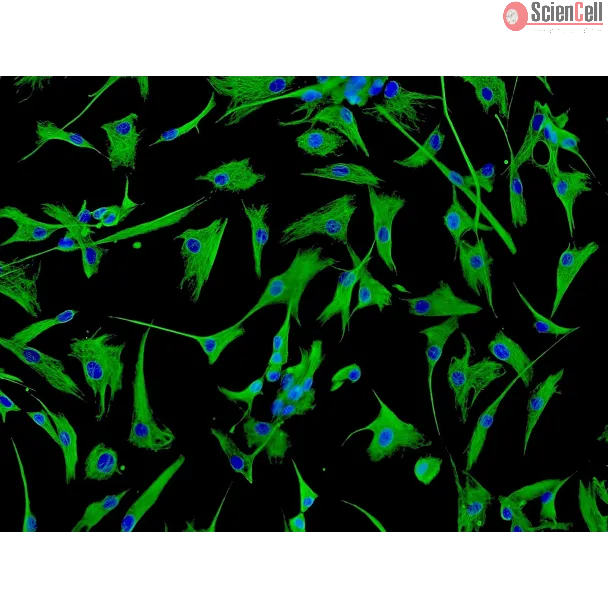
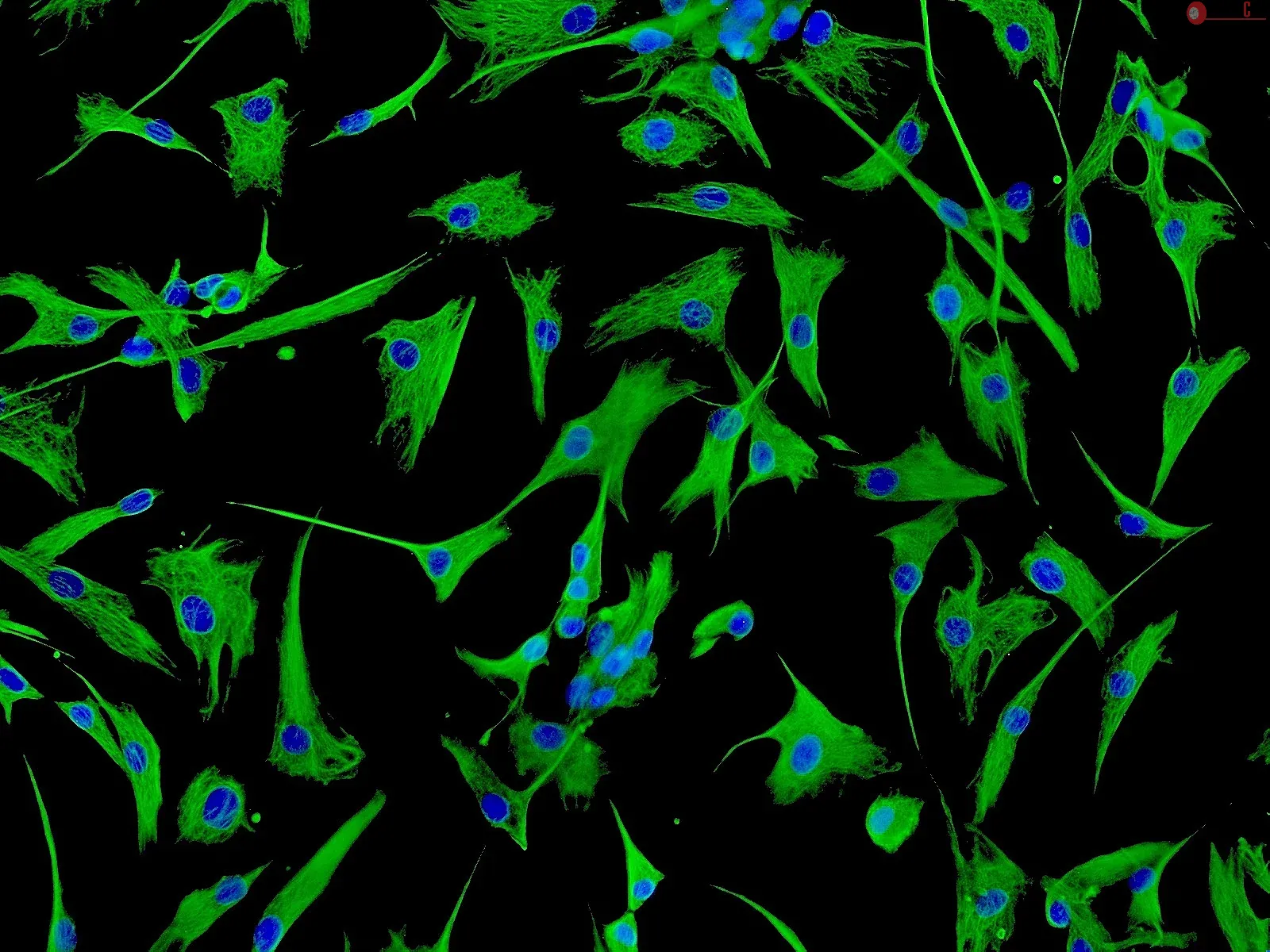
HCF-aa from ScienCell Research Laboratories are isolated from the human atrium. HCF-aa are cryopreserved at passage one and delivered frozen. Each vial contains >5 x 10⁵ cells in 1 ml volume. HCF-aa are characterized by immunofluorescence with antibody specific to fibronectin. HCF-aa are negative for HIV-1, HBV, HCV, mycoplasma, bacteria, yeast, and fungi. HCF-aa are guaranteed to further expand for 15 population doublings under the conditions provided by ScienCell Research Laboratories.
| Catalog No. | 6320 |
|---|---|
| Country of Manufacture | United States |
| Product Code | HCF-aa |
| Size/Quantity | 5 x 10^5 cells/vial |
| Product use | This product is for research use only. It is not approved for use in humans, animals, or in vitro diagnostic procedures. |
| Storage | Directly and immediately transfer cells from dry ice to liquid nitrogen upon receiving and keep the cells in liquid nitrogen until cell culture needed for experiments. |
| Shipping | Dry ice. |
Product Sheets

Search for a Certificate of Analysis by Lot Number below:
Find answers to common questions about ScienCell products, cell culture, handling, and research applications.
ScienCell Research Laboratories (SRL) takes pride in being a resource for researchers all over the world. The publications listed here are not meant as an endorsement or confirmation of the reliability of the products.
,-1-mg-ml--2.jpg)