
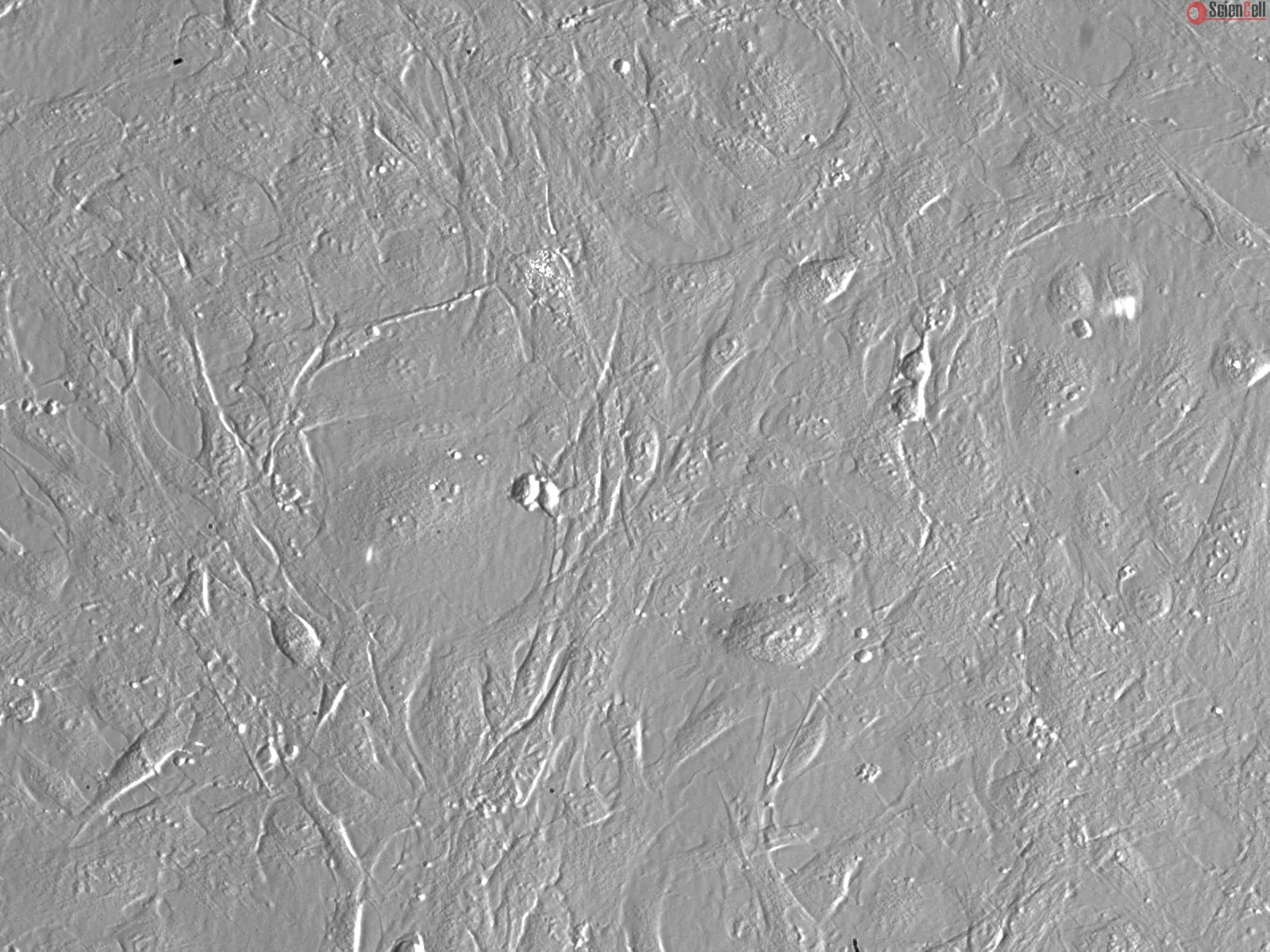
Rabbit Renal Mesangial Cells
RabRMC from ScienCell Research Laboratories are isolated from human renal tissue. RabRMC are cryopreserved at passage one and delivered frozen. Each vial contains >5 x 10⁵ cells in 1 ml volume.
Renal mesangial cells (RMC) are perivascular cells located within the central portion of the glomerular tuft between capillary loops, constituting 30-40% of the total glomerular cell population. RMC regulate the intraglomerular capillary flow and ultrafiltration surface via mesangial cell contraction and release of growth factors and vasoactive agents. By pinocytosis and phagocytosis, mesangial cells remove local accumulation of macromolecules in the mesangial space. Mesangial cells also synthesize, assemble and control turnover of the mesangial matrix. Overproduction of mesangial cells has been observed in various glomerular diseases, such as IgA nephropathy, mesangioproliferative glomerulonephritis, lupus nephritis, glomerulosclerosis and diabetic nephropathy. Such critical involvements suggest Rabbit RMC (RabRMC) are a useful model for studying mesangial injury and glomerular functions under both physiological and pathophysiological conditions.
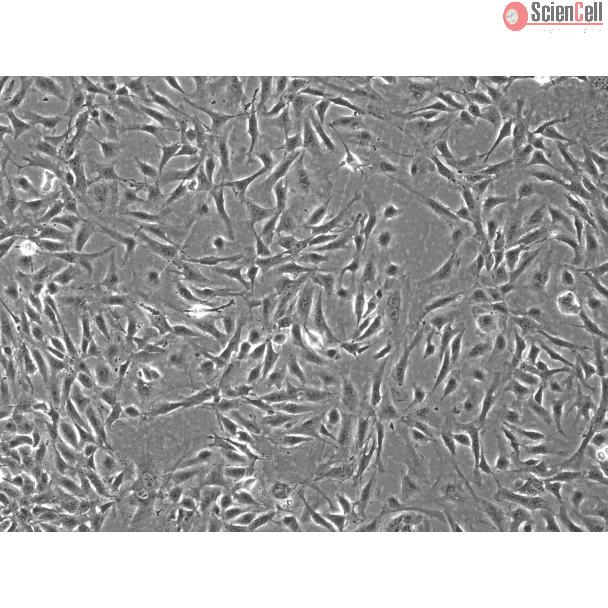
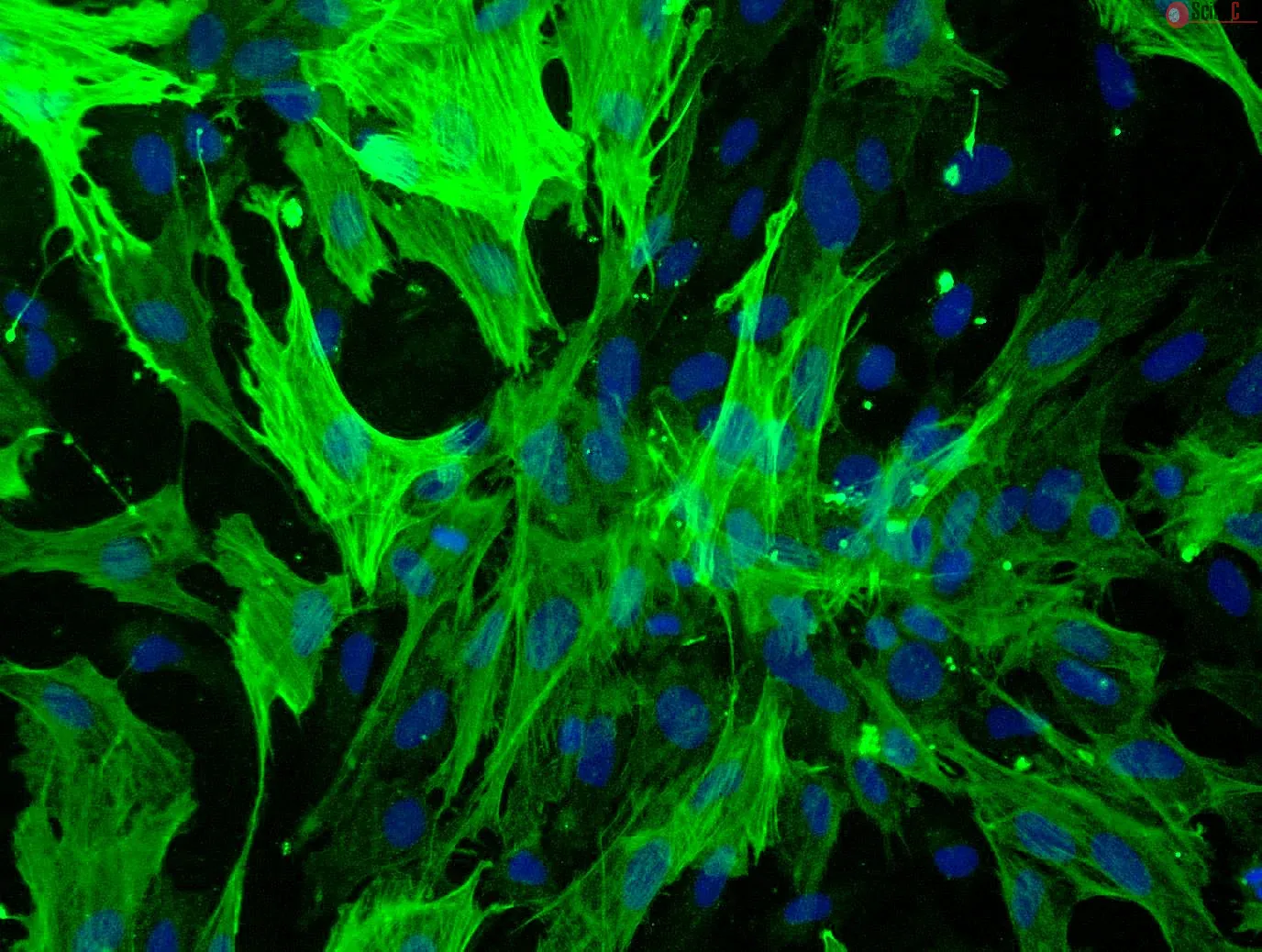
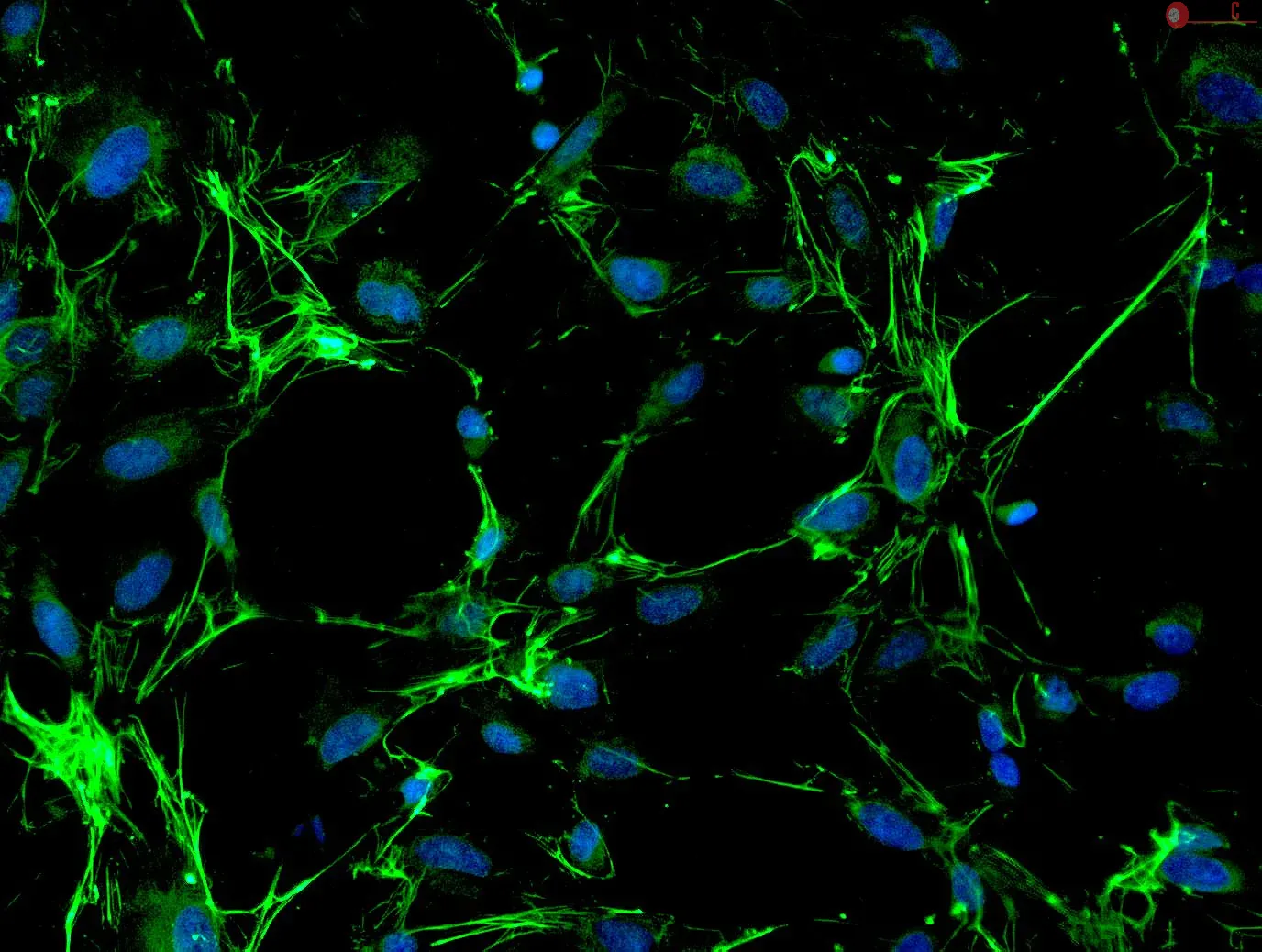
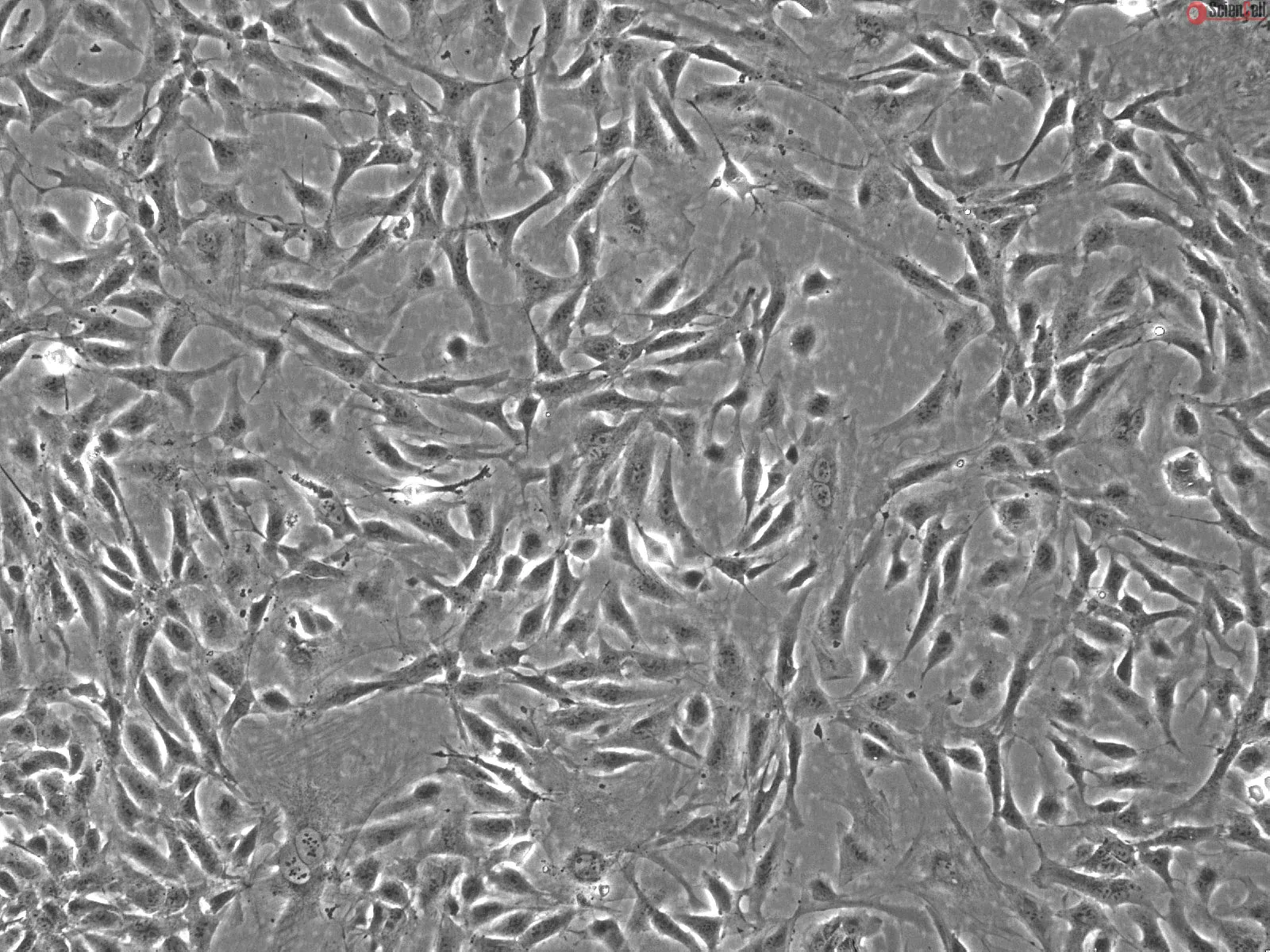
RabRMC from ScienCell Research Laboratories are isolated from human renal tissue. RabRMC are cryopreserved at passage one and delivered frozen. Each vial contains >5 x 10⁵ cells in 1 ml volume. RabRMC are characterized by immunofluorescence with antibodies specific to fibronectin and/or smooth muscle actin. RabRMC are negative for mycoplasma, bacteria, yeast and fungi. RabRMC are guaranteed to further expand for 10 population doublings under the conditions specified by ScienCell Research Laboratories.
Recommended Medium
It is recommended to use Mesangial Cell Medium (MsCM, Cat. #4201) for the culturing of RabRMC in vitro.
| Catalog No. | Rab4200 |
|---|---|
| Country of Manufacture | United States |
| Product Code | RabRMC |
| Size/Quantity | 5 x 10^5 cells/vial |
| Product use | RabRMC are for research use only. They are not approved for human or animal use, or for application in in vitro diagnostic procedures. |
| Storage | Upon receiving, directly and immediately transfer the cells from dry ice to liquid nitrogen and keep the cells in liquid nitrogen until they are needed for experiments. |
| Shipping | Dry ice. |
No Publication available at this time.