MicroRNAs (miRs) regulate inflammation and BMP antagonists, thus they have potential uses as therapeutic reagents. However, the molecular function of miR-200c in modulati... More
MicroRNAs (miRs) regulate inflammation and BMP antagonists, thus they have potential uses as therapeutic reagents. However, the molecular function of miR-200c in modulating proinflammatory and bone metabolic mediators and osteogenic differentiation is not known. After miR-200c was transduced into a human embryonic palatal mesenchyme (HEPM) (a cell line of preosteoblasts), using lentiviral vectors, the resulting miR-200c overexpression increased osteogenic differentiation biomarkers, including osteocalcin (OCN) transcripts and calcium content. miR-200c expression also down-regulated interleukin (IL)-6, IL-8, and chemokine (C-C motif) ligand (CCL)-5 under lipopolysaccharide (LPS) stimulation and increased osteoprotegerin (OPG) in these cells. miR-200c directly regulates the expression of IL-6, IL-8 and CCL-5 transcripts by binding to their 3'UTRs. A plasmid-based miR-200c inhibitor effectively reduces their binding activities. Additionally, miR-200c delivered using polyethylenimine (PEI) nanoparticles effectively inhibits IL-6, IL-8 and CCL-5 in primary human periodontal ligament fibroblasts and increases the biomarkers of osteogenic differentiation in human bone marrow mesenchymal stem cells (MSCs), including calcium content, ALP, and Runx2. These data demonstrate that miR-200c represses IL-6, IL-8 and CCL-5 and improves osteogenic differentiation. miR-200c may potentially be used as an effective means to prevent periodontitis-associated bone loss by arresting inflammation and osteoclastogenesis and enhancing bone regeneration. Less
The aim of this study was to develop a three-dimensional in vitro model of periodontium to investigate the osteogenic andcementogenic differentiation potential of the per... More
The aim of this study was to develop a three-dimensional in vitro model of periodontium to investigate the osteogenic andcementogenic differentiation potential of the periodontal ligament fibroblast (PDLF) spheroids within a dentin-membranecomplex. PDLFs were cultured in both spheroid forms and monolayers and were seeded onto two biological collagen-basedand synthetic membranes. Cell-membrane composites were then transferred onto dentin slices with fibroblasts facing the dentinsurface and further cultured for 20 days. The composites were then processed for histology and immunohistochemical analysesfor osteocalcin, Runx2, periostin, and cementum attachment protein (CAP). Both membranes seeded with PDLF-derived cellsadhered to dentin and fibroblasts were present at the dentin interface and spread within both membranes. All membrane-cell-dentine composites showed positive staining for osteocalcin, Runx2, and periostin. However, CAP was not expressed by any ofthe tissue composites. It can be concluded that PDLFs exhibited some osteogenic potential when cultured in a 3D matrix in thepresence of dentin as shown by the expression of osteocalcin. However the interaction of cells and dentin in this study was unable tostimulate cementum formation. The type of membrane did not have a significant effect upon differentiation, but fibroblast seeded-PGA membrane demonstrated better attachment to dentin than the collagen membrane. Less
Objective: To determine whether β-catenin signaling is responsive to mechanical loading in periodontal ligament (PDL) cells. Materials and methods: To determine whether ... More
Objective: To determine whether β-catenin signaling is responsive to mechanical loading in periodontal ligament (PDL) cells. Materials and methods: To determine whether Wnt/β-catenin signaling pathway components are present and functional, PDL cells were treated with lithium chloride or Wnt3a-conditioned media. To determine whether mechanical strain activates β-catenin signaling, PDL cells were subjected to compressive loading. Activation of the β-catenin signaling pathway was determined by immunofluorescence, Western immunoblotting, and TOPflash assay. Results: Mimicking Wnt signaling stimulates β-catenin nuclear translocation and T-cell factor/lymphoid enhancer binding factor-dependent transcriptional activation in PDL cells. Mechanical loading stimulates a transient accumulation of dephosphorylated β-catenin in the cytoplasm and its translocation to the nucleus. This effect of strain acts through activation of protein kinase B and phosphorylation of glycogen synthase kinase-3 beta. These strain-related changes do not involve the low-density lipoprotein receptor-related protein 5/Wnt receptor. Conclusions: The Wnt/β-catenin signaling pathway components are functional and activated by mechanical loading in PDL cells. β-catenin serves as an effector of mechanical signals in PDL cells. Less
Purpose: Nitric oxide (NO) has been known as an important regulator of osteoblasts and periodontal ligament cell activity. This study was performed to investigate the rel... More
Purpose: Nitric oxide (NO) has been known as an important regulator of osteoblasts and periodontal ligament cell activity. This study was performed to investigate the relationship between NO-mediated cell death of human periodontal ligament fibroblasts (PDLFs) and N-methyl-D-aspartic acid (NMDA) receptor antagonist (+)-5-methyl-10, 11-dihydro-5H-dibenzo[a,d]cyclohepten-5, 10-imine hydrogen maleate (MK801). Methods: Human PDLFs were treated with various concentrations (0 to 4 mM) of sodium nitroprusside (SNP) with or without 200 µM MK801 in culture media for 16 hours and the cell medium was then removed and replaced by fresh medium containing MTS reagent for cell proliferation assay. Western blot analysis was performed to investigate the effects of SNP on the expression of Bax, cytochrome c, and caspase-3 proteins. The differences for each value among the sample groups were compared using analysis of variance with 95% confidence intervals. Results: In the case of SNP treatment, as a NO donor, cell viability was significantly decreased in a concentration-dependent manner. In addition, a synergistic effect was shown when both SNP and NMDA receptor antagonist was added to the medium. SNP treated PDLFs exhibited a round shape in culture conditions and were dramatically reduced in cell number. SNP treatment also increased levels of apoptotic marker protein, such as Bax and cytochrome c, and reduced caspase-3 in PDLFs. Mitogen-activated protein kinase signaling was activated by treatment of SNP and NMDA receptor antagonist. Conclusions: These results suggest that excessive production of NO may induce apoptosis and that NMDA receptor may modulate NO-induced apoptosis in PDLFs. Keywords: Cell proliferation; Mitogen-activated protein kinase; N-methyl-D-aspartate receptor; Periodontal ligament. Less
Purpose: It has been reported that low-level semiconductor diode lasers could enhance the wound healing process. The periodontal ligament is crucial for maintaining the t... More
Purpose: It has been reported that low-level semiconductor diode lasers could enhance the wound healing process. The periodontal ligament is crucial for maintaining the tooth and surrounding tissues in periodontal wound healing. While low-level semiconductor diode lasers have been used in low-level laser therapy, there have been few reports on their effects on periodontal ligament fibroblasts (PDLFs). We performed this study to investigate the biological effects of semiconductor diode lasers on human PDLFs. Less

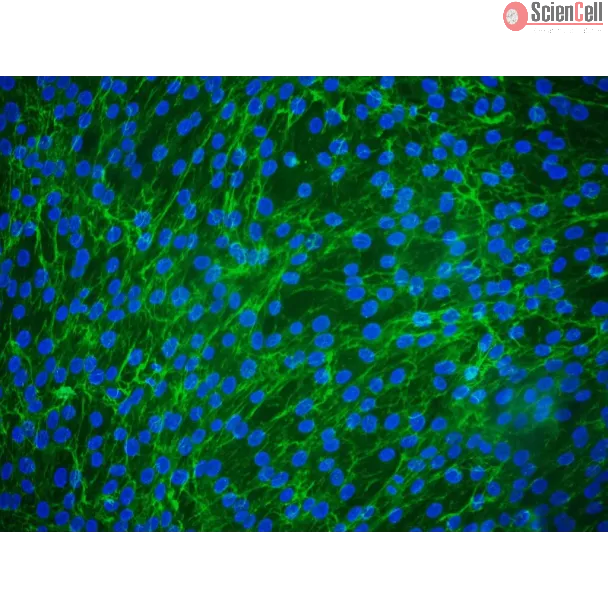
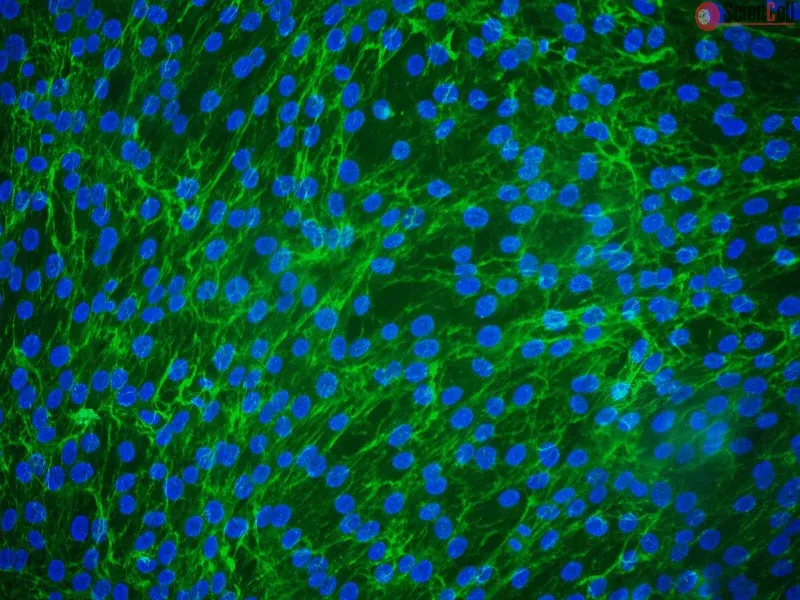

,-1-mg-ml--2.jpg)